Freedom Shield Presses On in South Korea Even as Trump Moves to Shrink the U.S. Role
South Korea’s Freedom Shield exercise continues despite Trump ordering a reduced American footprint, raising questions about alliance readiness.
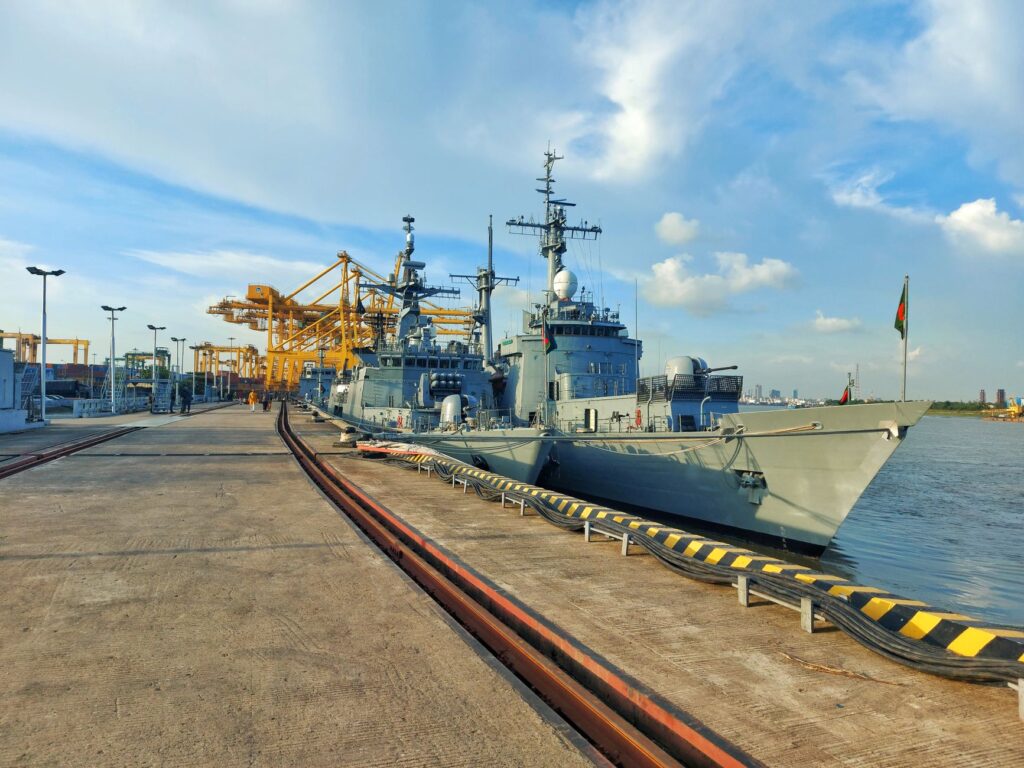
South Korea’s major annual combined military exercise, Freedom Shield, is proceeding this week even after President Donald Trump directed the U.S. military to scale back its participation, according to Task and Purpose. The directive has drawn immediate attention to the durability of the U.S.-South Korea alliance and to the operational credibility of deterrence on the Korean Peninsula at a moment of persistent North Korean provocation. As GDD previously reported, the has been directed to reduce the scope of joint drills with Seoul in what officials have framed as part of a broader realignment of alliance burden-sharing.
Task and Purpose reported that despite the presidential order curtailing the American role, the exercise itself was not canceled. South Korean forces are continuing the drill, and some U.S. participation is ongoing, though officials have not confirmed the precise number of American personnel involved or which specific units and capabilities have been withdrawn from the exercise schedule.
A Directive That Stops Short of Withdrawal
Trump’s order to curtail the U.S. role in Freedom Shield follows a pattern the administration has described in terms of cost and diplomatic signaling. The president has previously characterized large-scale joint exercises as financially wasteful and potentially destabilizing to diplomatic outreach toward North Korea. What distinguishes the current situation is that South Korea elected to proceed without a full American complement rather than postpone or cancel — a decision that reflects Seoul’s own institutional investment in maintaining exercise continuity and a trained force capable of independent operations.
The distinction between a reduced U.S. role and a U.S. absence matters operationally. Freedom Shield is designed to rehearse combined command-and-control procedures, logistics chains, and interoperability between American and South Korean forces. Curtailing American participation mid-cycle can degrade precisely those integration skills that the exercise exists to maintain, defense analysts have long argued, though officials on either side have not publicly characterized the current reduction in those terms.
Alliance Credibility Under Scrutiny
The episode lands at a sensitive moment for U.S. force posture in the Indo-Pacific. As GDD has noted, the U.S. carrier fleet is already stretched across two theaters, compressing the margin available for crisis response in Northeast Asia. Any visible reduction in the tempo or scale of U.S. exercises in South Korea feeds a regional calculus in which both Pyongyang and Beijing are watching for signs of American retrenchment.
South Korean defense officials have publicly maintained that the alliance remains strong, but the optics of proceeding through a curtailed exercise carry their own message. Seoul’s willingness to continue Freedom Shield without a full American presence signals institutional resolve, but it also underscores the ambiguity now embedded in the alliance’s day-to-day operational relationship. Whether the Trump administration’s posture toward joint exercises stabilizes or continues to shift will be closely watched by treaty allies across the region who rely on the U.S. forward presence as a deterrence anchor.
The Pentagon has not publicly detailed which exercise components were affected by the presidential directive, what the timeline for any resumption of full participation might look like, or whether similar reductions are planned for other exercises in the theater. Officials have not confirmed the precise guidance transmitted to U.S. Forces Korea regarding the scope of the curtailment.