Pacific Wargame Becomes Live Trial for Additive Manufacturing in Austere Combat Logistics
RIMPAC 2026 used the multinational exercise to field-test 3D-printed replacement parts, probing supply chain resilience for a potential Pacific conflict.
The U.S. Navy and partner nations used this summer’s Rim of the Pacific exercise to evaluate whether additive manufacturing — 3D printing — can reliably produce replacement parts in forward, austere environments, a capability planners consider essential if a high-intensity Pacific conflict severs traditional supply lines. The trial, reported by Breaking Defense, marks one of the most operationally realistic tests of the technology within a major multinational exercise to date.
The experiment fits a broader pattern of U.S. forces stress-testing logistics concepts under live exercise conditions as planners reckon with the tyranny of distance in any potential western Pacific contingency. A conflict in that theater would place American and allied forces thousands of miles from continental repair depots, making the ability to fabricate parts on or near the battlefield a potential operational differentiator. That concern is compounded by the carrier fleet’s already stretched posture — a dynamic GDD has tracked in its coverage of carrier fleet deployments across competing theaters.
What Was Actually Tested at RIMPAC
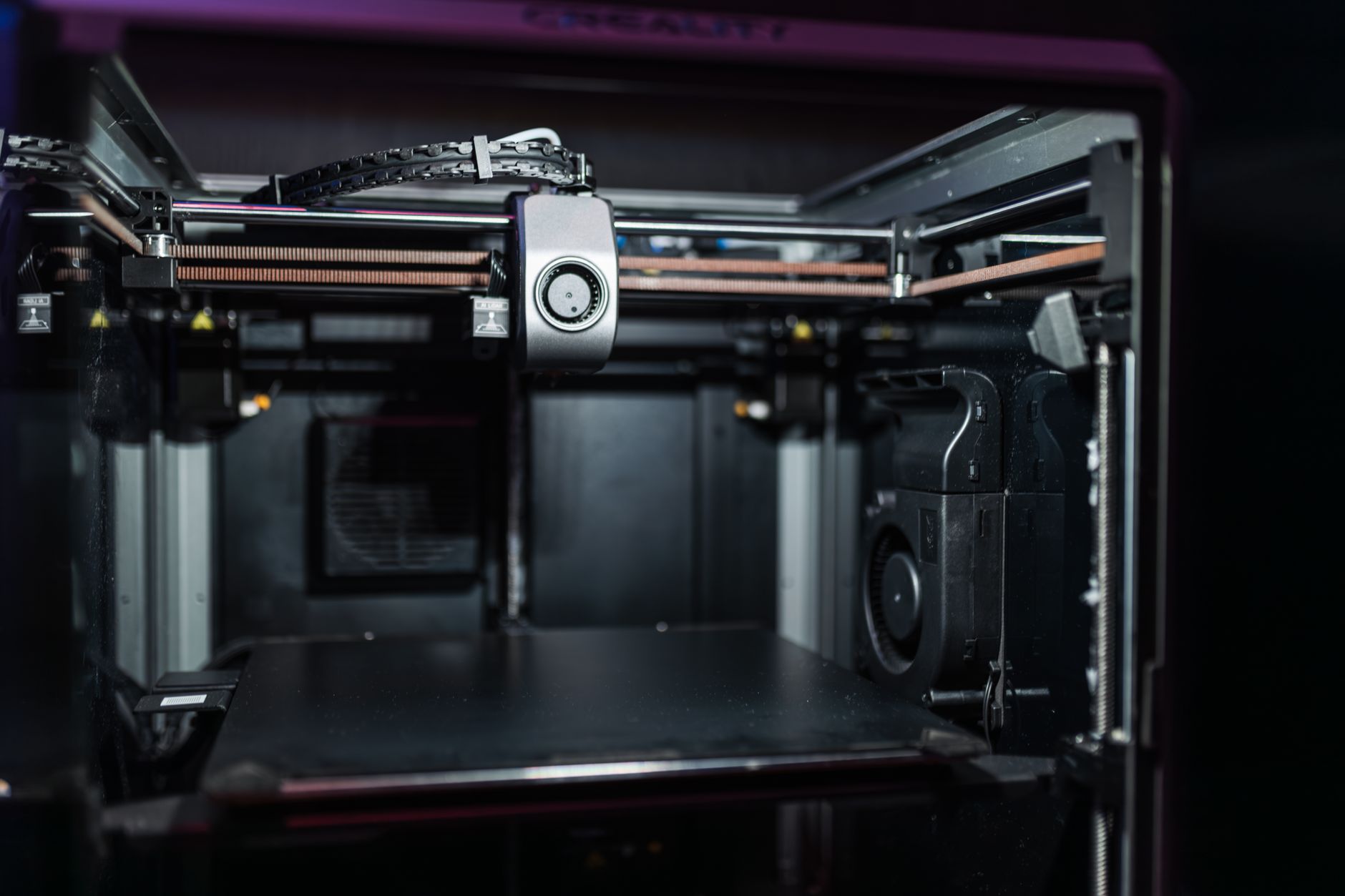
During the exercise, participants printed and installed components aboard ships and in shore-based maintenance facilities, according to the Breaking Defense report. The goal was to move beyond laboratory demonstrations and determine whether sailors and allied maintainers could operate the equipment under realistic time pressure and with limited technical support. Officials assessed both the mechanical performance of the printed parts and the procedural workflow required to design, produce, and certify a component in the field.
The exercise did not focus on a single class of parts; rather, planners deliberately chose components across multiple systems to evaluate the breadth of the technology’s applicability. The Breaking Defense report does not specify which ship classes or weapon systems were involved, nor does it provide a count of parts produced or a pass-fail rate for the printed components, so those details remain unconfirmed. What officials did indicate is that the exercise generated data intended to inform formal qualification standards — a step that has historically been the most significant barrier to fielding printed parts in operational units.

Qualification Standards Remain the Defining Hurdle
The core challenge for additive manufacturing in military logistics has never been the printing itself — commercial and government printers have been capable of producing serviceable components for years. The sticking point is certification: military systems require parts that meet precise material and dimensional tolerances, and the Navy’s existing qualification pathways were designed around conventionally manufactured components. Without an approved part number and a documented production chain, a printed component cannot be legally installed on a warship, regardless of its physical performance.
RIMPAC’s structured trial was designed in part to generate the kind of real-world performance and failure data needed to build those qualification pathways, according to the Breaking Defense account. If the data holds up, it could accelerate formal programs that allow fleet maintainers to print from a digital parts library rather than waiting weeks or months for a physical component to arrive from a stateside depot. The urgency of that problem is not hypothetical: the House shipbuilding directive and related industrial-base debates have already exposed how fragile American naval sustainment infrastructure is under surge conditions. Additive manufacturing, proponents argue, is one piece of a larger answer to that fragility — provided qualification standards can catch up to operational need.