White House Shipbuilding Directive Opens Door to Purchasing Warships Abroad
A new White House executive order on shipbuilding allows the U.S. Navy to procure foreign-built vessels, marking a significant policy shift.

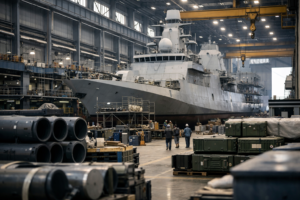
The White House has issued an executive order on shipbuilding that explicitly permits the United States Navy to procure foreign-built warships, a significant departure from the longstanding domestic-build preference that has shaped American naval acquisition for decades. The directive, reported by Naval News, signals that the administration is willing to look beyond the strained capacity of American shipyards to meet the fleet expansion goals it has set for the Navy. The move has immediate implications for U.S. allies with advanced naval construction capacity, as well as for the domestic shipbuilding industry already under pressure to accelerate production timelines.
The policy shift arrives against the backdrop of sustained concern inside the Pentagon and on Capitol Hill over the U.S. industrial base’s ability to deliver hulls at a pace commensurate with the Navy’s stated requirement for a larger, more capable fleet — a concern tied directly to competition with China’s rapidly expanding naval forces. Those broader naval readiness risks have been building for years, and the executive order appears to be a direct administrative response to the widening gap between fleet requirements and domestic production rates.
What the Order Actually Permits
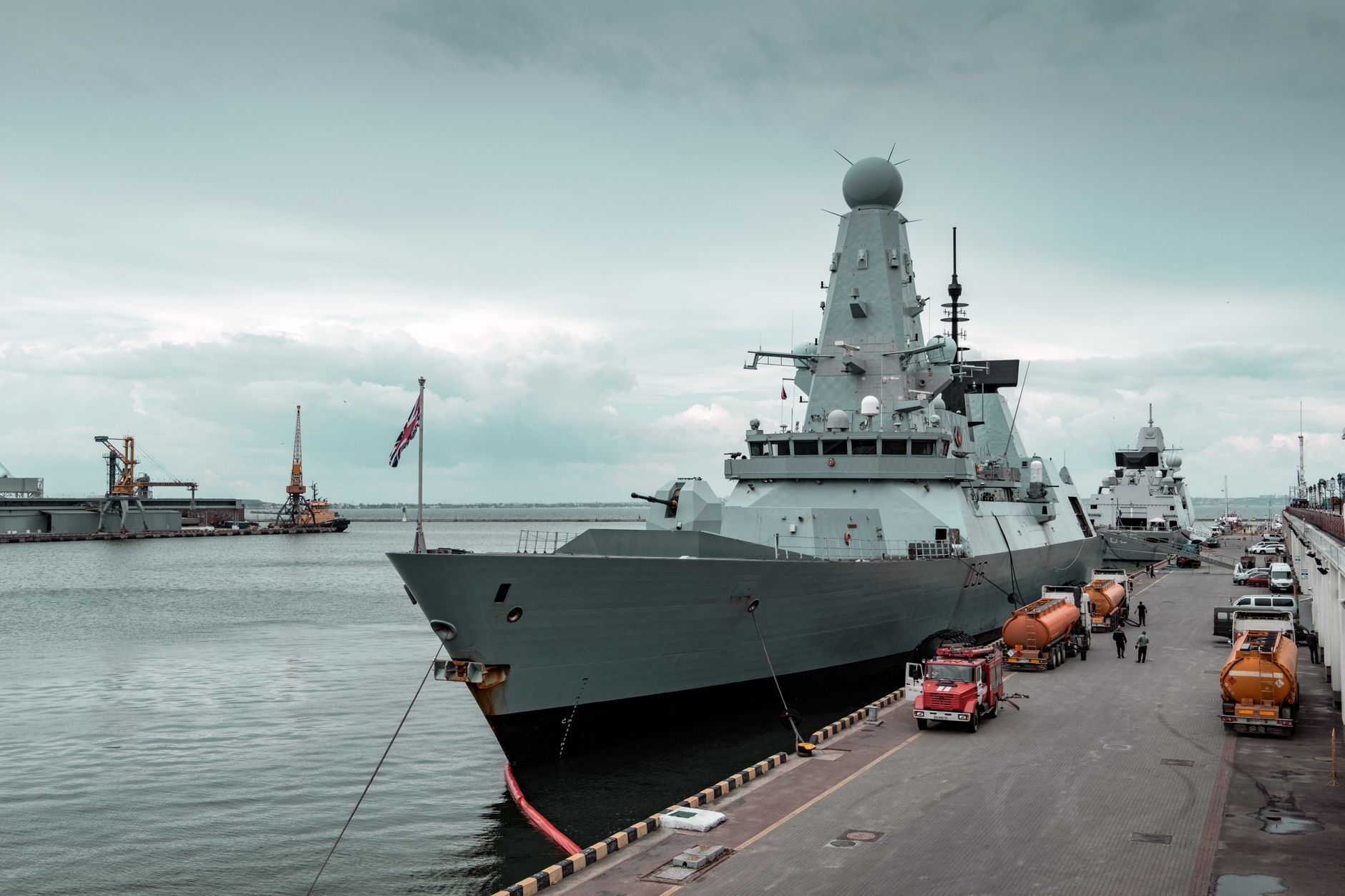
According to Naval News, the executive order does not mandate foreign procurement but creates a pathway for it, allowing the Navy to consider purchasing vessels built in allied nations when domestic alternatives cannot meet timeline or capacity requirements. The order is framed as a tool to address bottlenecks rather than a wholesale abandonment of Buy American principles. Officials have not publicly confirmed which allied nations or specific shipyards are being evaluated under the new authority, nor have they specified which vessel classes might be immediate candidates for foreign procurement.
The practical effect is that allied nations with robust naval shipbuilding sectors — countries in Europe and the Indo-Pacific that have long produced frigates, patrol vessels, and auxiliary ships at competitive costs and timelines — now have a formal avenue to pitch their yards to U.S. acquisition officials. This is a notable policy opening, even if the details of how the waiver or approval process will function remain unclear from publicly available information at this stage.
Strategic and Industrial Consequences
The order carries strategic weight beyond simple procurement logistics. Purchasing warships from allied yards could accelerate interoperability between the U.S. Navy and partner fleets, particularly if hull designs or systems already in service with treaty allies are selected. It could also function as an indirect form of alliance investment, deepening defense-industrial ties with partners whose cooperation Washington is actively cultivating across the Indo-Pacific and Europe. The administration’s broader push to allied defense partnerships through hardware cooperation is consistent with this kind of structural policy move.
For the domestic shipbuilding industry, however, the directive introduces a competitive pressure that some yards and their congressional backers are likely to resist. American shipbuilders have argued that the solution to capacity constraints is increased domestic investment, not foreign sourcing — and the executive order will almost certainly renew that debate in hearings and appropriations discussions. Whether the administration treats foreign procurement as a temporary pressure-release valve or as a durable structural option will determine how disruptive this shift ultimately proves to the U.S. naval-industrial base.