Trump Seeks Supreme Court Relief in Mar-a-Lago Ballroom Dispute, Then Erupts Online at ‘Treasonists’
Trump filed for Supreme Court intervention in the Mar-a-Lago ballroom case, then unleashed a late-night social media attack on those he called ‘treasonists.’
President Donald Trump escalated his legal battle over the use of Mar-a-Lago’s ballroom on the evening of August 14, filing an emergency application to the Supreme Court seeking to block a lower court ruling — then, within hours, took to social media in a late-night post denouncing those behind the case as “TREASONISTS,” according to Forbes reporting. The sequence — a formal legal filing followed by an unrestrained public outburst — underscored the degree to which the case has become a personal flashpoint for the president, not merely a procedural dispute.
The ballroom controversy centers on restrictions courts have imposed on the use of certain spaces at the Palm Beach estate, though officials have not publicly confirmed the full scope of the underlying injunction the Supreme Court application is meant to address. For a publication that closely tracks how executive conduct and national security decisions intersect with political pressures, the episode illustrates how legal and institutional confrontations originating outside the defense sphere can nonetheless shape the broader operating environment for policymakers.

The Supreme Court Filing and Its Legal Stakes
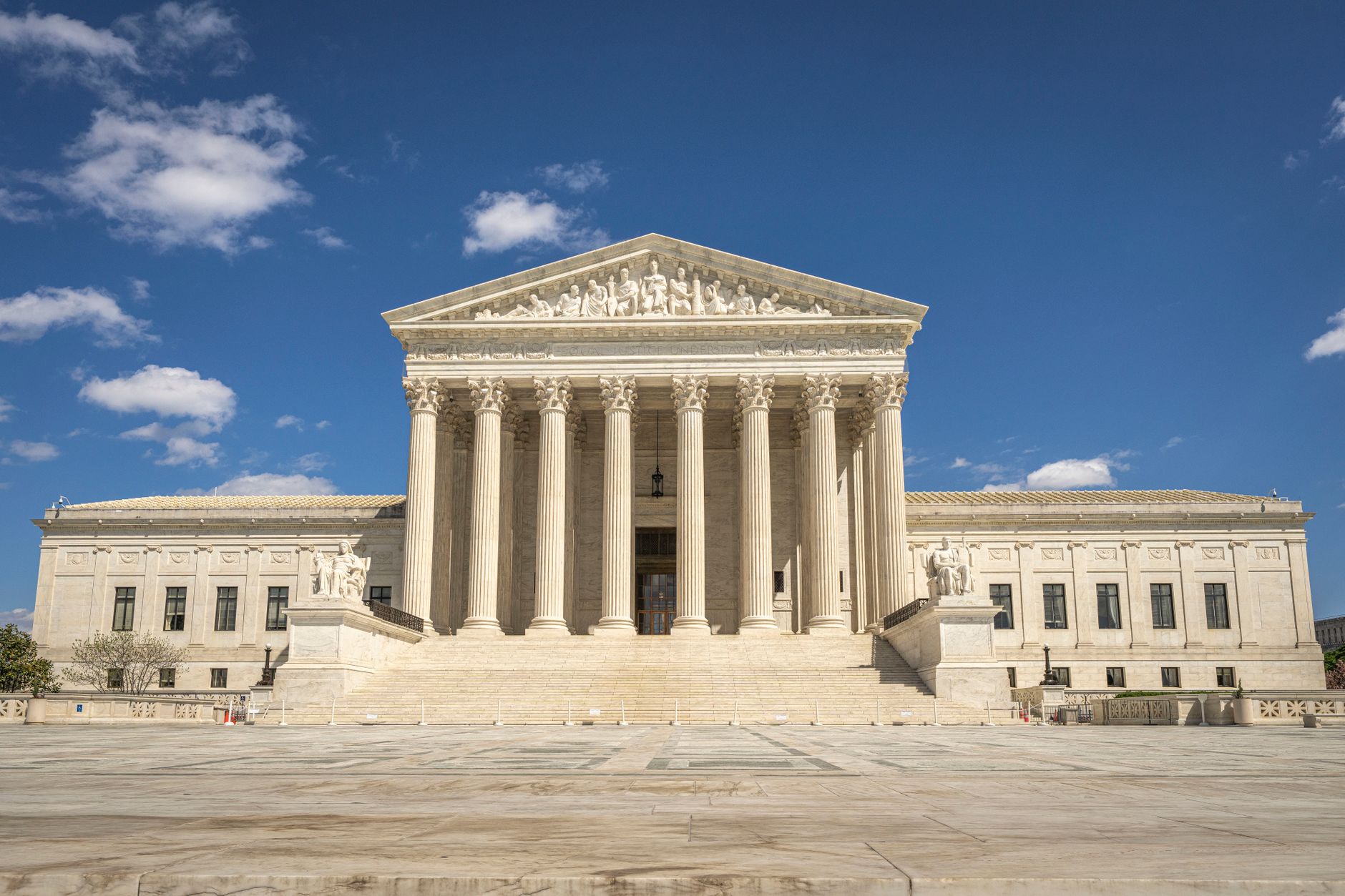
Trump’s emergency application asked the Supreme Court to intervene before the lower court’s ruling took full effect, a procedural move typically reserved for situations where irreparable harm is claimed to be imminent. Forbes reported that the filing was made before the late-night social media post, suggesting the public eruption came after the formal legal channel had already been activated. The specific justice to whom the application was directed, and whether any administrative stay had been issued, were not confirmed in available reporting at the time of publication.
Emergency applications to the Supreme Court are relatively rare and carry a high threshold — applicants must generally demonstrate not only likelihood of success on the merits but also that harm cannot be remedied through normal appellate channels. Legal analysts have noted, in contexts well beyond this case, that the current Court’s willingness to engage with emergency applications involving executive-branch figures has itself become a subject of institutional scrutiny. No ruling from the Court had been reported as of the Forbes article’s publication date.
The Late-Night Post and the Political Temperature
After the filing, Trump posted on his social media platform characterizing unnamed individuals connected to the case as “TREASONISTS” — a term he has deployed in previous political confrontations but one that carries particular weight when directed at parties engaged in active litigation against the president or his properties. Forbes did not specify which individuals Trump was targeting by name in the post, and no administration official publicly clarified the reference in the period covered by the report.
The language is consistent with a pattern of presidential commentary on legal proceedings that critics argue can place pressure on judges, litigants, and witnesses — a concern that has previously drawn rebukes from federal courts. Supporters of the president have argued that public commentary on legal cases falls within the bounds of political speech. The practical effect of the post on the Supreme Court application, if any, remained unclear. For context on how political and security-related pressures can converge in ways that affect institutional decision-making, GDD has previously examined episodes involving operational security vulnerabilities where informal behavior intersected with formal institutional risk. The ballroom case, while not a defense matter in the conventional sense, arrives at a moment when executive branch legal confrontations are drawing sustained attention from policymakers and oversight bodies alike.