Iranian Embassy Ties Leavitt Departure to Decoy Aircraft Operation, But Her Presence on the Jet Remains Unconfirmed
Iran’s embassy linked Karoline Leavitt’s resignation to a decoy plane operation, but Forbes reports she was likely not aboard the aircraft.
The Iranian embassy in a social media post has attributed the resignation of White House Press Secretary Karoline Leavitt to what it characterized as a sense of betrayal over a U.S. decoy aircraft operation — but reporting by Forbes indicates it is unlikely she was aboard the plane in question. The claim, circulated by Iranian state-affiliated accounts, inserts a foreign government’s narrative directly into a developing story about high-level personnel changes inside the Trump administration. As with AI influence operations targeting public perception of sensitive conflicts, the episode illustrates how adversarial actors move quickly to shape the information environment around U.S. government events.
Leavitt’s resignation, the circumstances surrounding it, and any connection to a reported decoy plane operation remained matters of active public interest at the time of the Iranian embassy’s post. U.S. officials had not publicly confirmed the specific operational details that the embassy’s statement appeared to reference, and the White House had not issued a detailed accounting of personnel movements tied to the event. The embassy’s framing — that Leavitt resigned out of a feeling of having been misled or excluded — was unverified by independent sources at the time of publication.
The Decoy Plane Claim and What Remains Unconfirmed
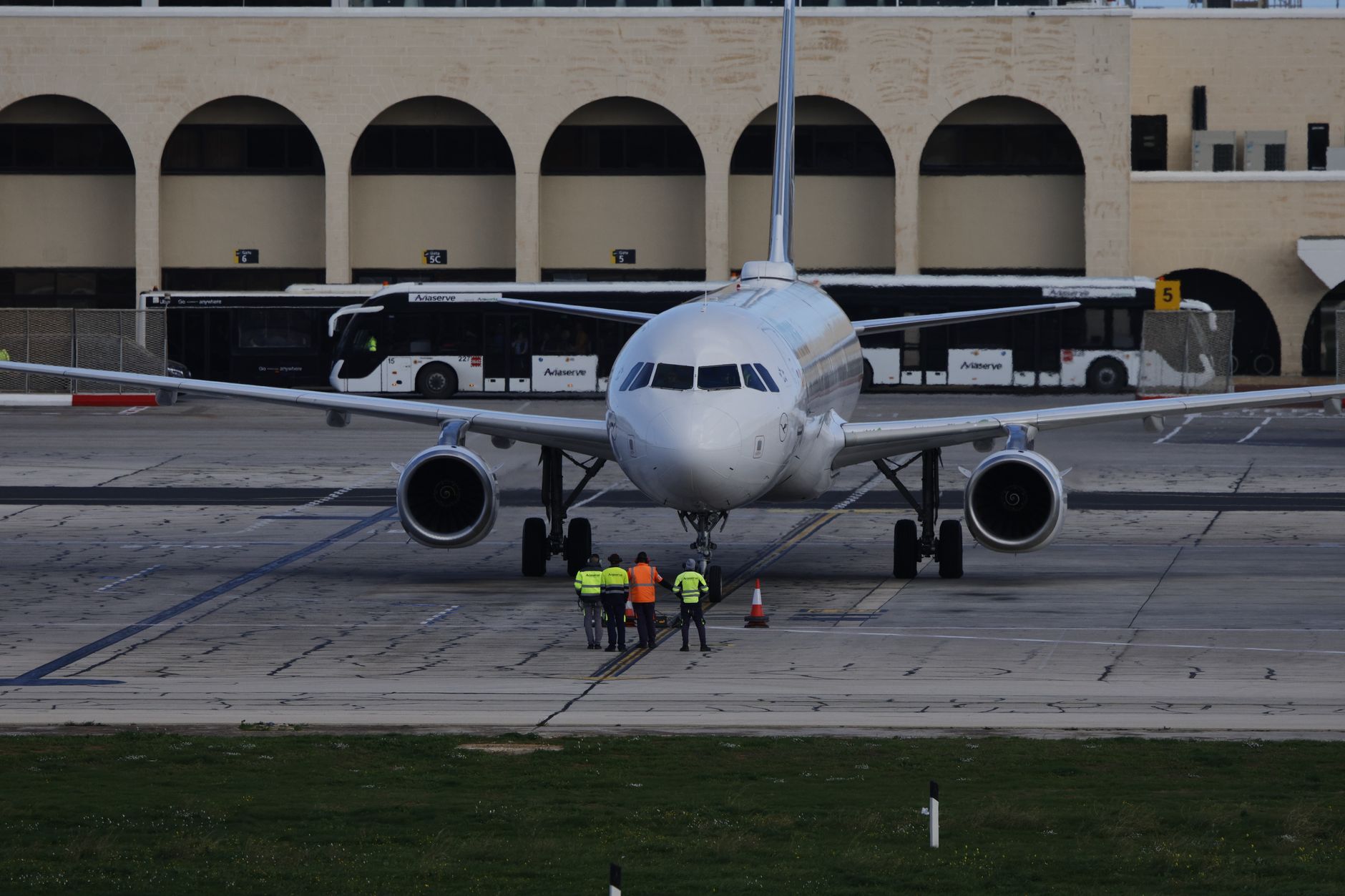
According to the Forbes report, the premise that Leavitt was on the decoy aircraft is itself contested. The reporting describes her presence on the jet as unlikely, without specifying what alternative account of her movements was established. The details of what the decoy operation entailed — including which aircraft were involved, where they flew, and what security objective they served — were not publicly confirmed by U.S. officials and were not fully detailed in the sourced reporting available at time of publication.
Decoy aircraft operations are an established element of executive protection protocol, used to complicate adversary targeting of high-value passengers by deploying multiple aircraft on similar flight profiles. Whether such a protocol was in use during the relevant period, and who was or was not aboard any given aircraft, remained unconfirmed. The Iranian embassy offered no sourcing for its characterization of events, and foreign government statements about internal U.S. personnel decisions carry no inherent verification weight.
Strategic Context: Adversarial Messaging Around U.S. Leadership Events
The episode is consistent with a pattern in which adversarial governments use moments of U.S. political uncertainty to inject competing narratives, regardless of evidentiary basis. Iran’s willingness to publicly characterize the internal reasoning behind a senior U.S. official’s departure — and to tie it to a specific military or security operation — reflects an information environment in which foreign embassies operate openly on social media platforms to reach domestic and international audiences simultaneously.
For defense and national security analysts, the more operationally significant question is what the underlying decoy operation, if confirmed, reveals about threat assessments regarding senior U.S. officials during the relevant travel window. Reporting tied to the East threat picture has documented elevated concerns about one-way attack systems and targeted strikes in the region — a backdrop that would make executive protection measures more operationally consequential than in a lower-threat environment. None of the specific threat intelligence that may have driven any such protective measures was publicly available at time of publication.
Forbes noted the gap between the embassy’s assertion and the available evidence regarding Leavitt’s movements, underscoring that the Iranian government’s account should not be treated as confirmatory of any operational detail. As of the Forbes report’s publication date, no U.S. government spokesperson had publicly responded to the embassy’s specific claims.