Saab Puts Forward a Stealthy, Supersonic Uncrewed Combat Aircraft for the Next Generation of Air Power
Saab has unveiled a concept for a stealthy, supersonic uncrewed combat aircraft designed to operate alongside next-generation fighter jets.
Sweden’s Saab has publicly revealed a concept for a stealthy, supersonic uncrewed combat aircraft — a design the company positions as a potential wingman or independent strike platform for future high-end air combat. The disclosure, first by War Zone, marks one of the more detailed uncrewed combat air vehicle concepts to emerge from a European defense firm in recent years, and it arrives as militaries globally accelerate investment in loyal wingman and collaborative combat aircraft programs. For readers following the broader autonomy push, battlefield robotics lessons from Ukraine are already reshaping NATO’s thinking on uncrewed systems across all domains.
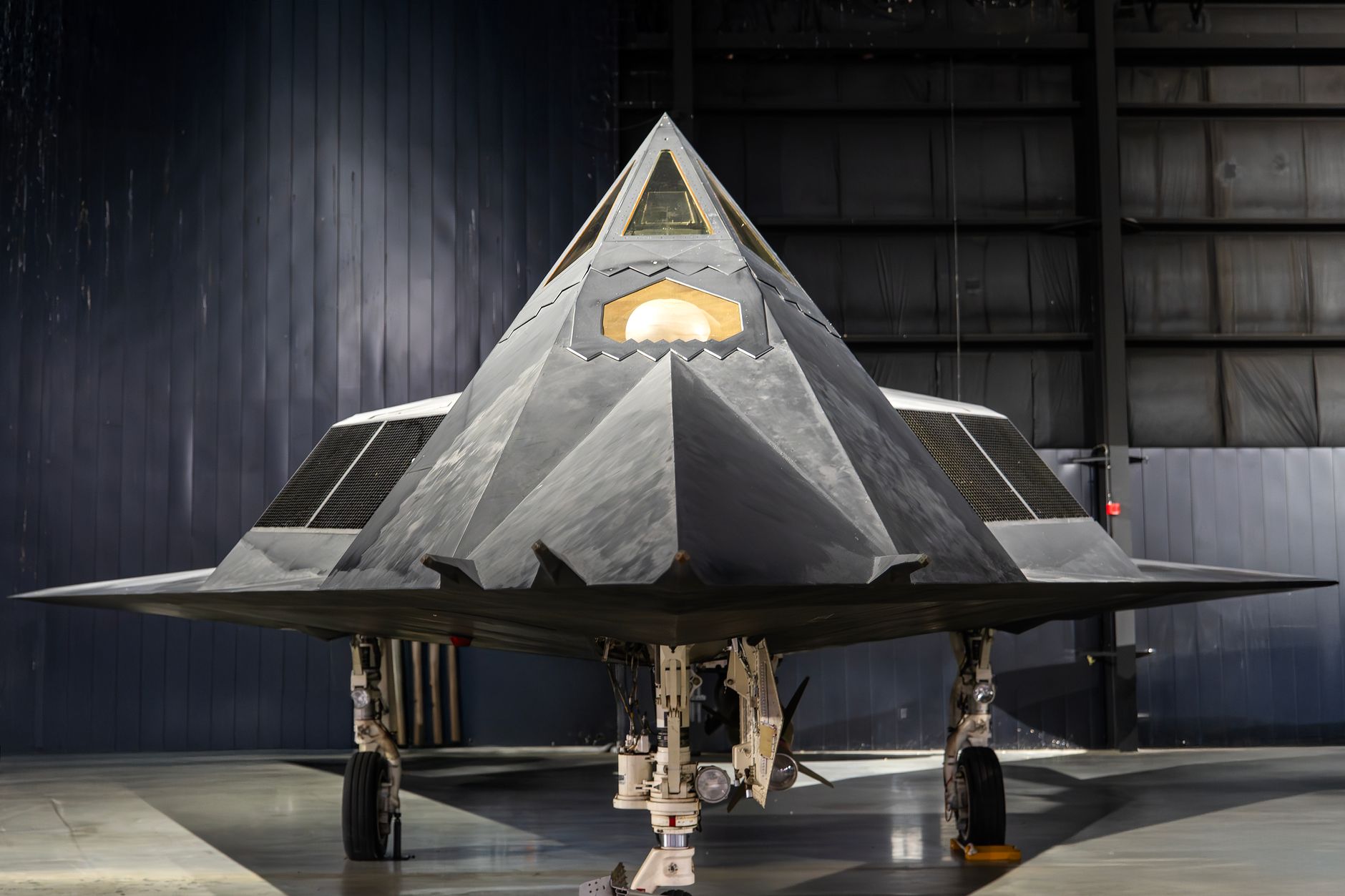
The concept aircraft features a blended, low-observable airframe with a tailless delta-wing configuration designed to minimize radar cross-section — hallmarks of a platform intended to survive in contested airspace. Saab has indicated the design is meant to achieve supersonic performance, though the company has not disclosed specific speed figures, range parameters, or payload capacity at this stage. The concept remains in the notional phase, meaning no prototype has been confirmed and no development contract has been publicly announced.
The Collaborative Combat Aircraft Context
Saab’s unveiling fits squarely within an accelerating international competition to develop what the industry broadly terms collaborative combat aircraft, or CCA — uncrewed platforms designed to fly alongside crewed fighters, extending sensor reach, carrying weapons, or absorbing attrition risk that would otherwise fall on piloted jets. The United States has the most mature programs in this space, with General Atomics and Anduril selected to advance CCA designs for the Air Force. Australia’s Boeing-led MQ-28 Ghost Bat is operational in prototype form. Saab’s entry signals that European primes are not prepared to cede this design space to American or emerging-market competitors.
The timing is also notable given Saab’s existing position as the manufacturer of the Gripen fighter family and its role as a partner in the broader European combat aviation market. An uncrewed platform developed alongside Gripen — or potentially the next-generation European fighter programs — would give Saab a vertically integrated offering that no other Scandinavian or Nordic defense firm currently fields. The company has not formally connected the concept to any specific crewed aircraft program, however, and officials have not confirmed a roadmap or production timeline.
What Remains Unconfirmed — and Why It Still Matters
Saab has offered limited technical specifics beyond the platform’s intended low-observable, supersonic character and its broad mission framing as a combat-capable uncrewed system. Propulsion details, sensor suite architecture, communications and autonomy protocols, and weapons integration have not been disclosed. The company has not named a prospective customer or indicated whether the concept was developed in response to a national requirement from the Swedish Armed Forces or another government. At this point, the disclosure functions primarily as a statement of intent and industrial capability rather than a program announcement.
Even so, the strategic signal is real. European defense investment has surged following Russia’s full-scale invasion of Ukraine, and governments across the continent are reassessing what they need to deter high-end adversaries. A supersonic, low-observable uncrewed platform — even as a concept — reflects where serious air power competition is heading. With China advancing its own uncrewed combat programs, as reflected in Chinese carrier development and broader military modernization, Western and allied defense firms face real pressure to demonstrate progress in autonomous and semi-autonomous combat aviation. Saab’s concept, whatever its current maturity level, plants the company’s flag in that contest.