All Eight Aboard Killed After Contractor Aircraft Goes Down Near Alaskan Radar Installation
A contractor aircraft crashed near a remote Alaska radar site, killing all eight people on board, officials confirmed.

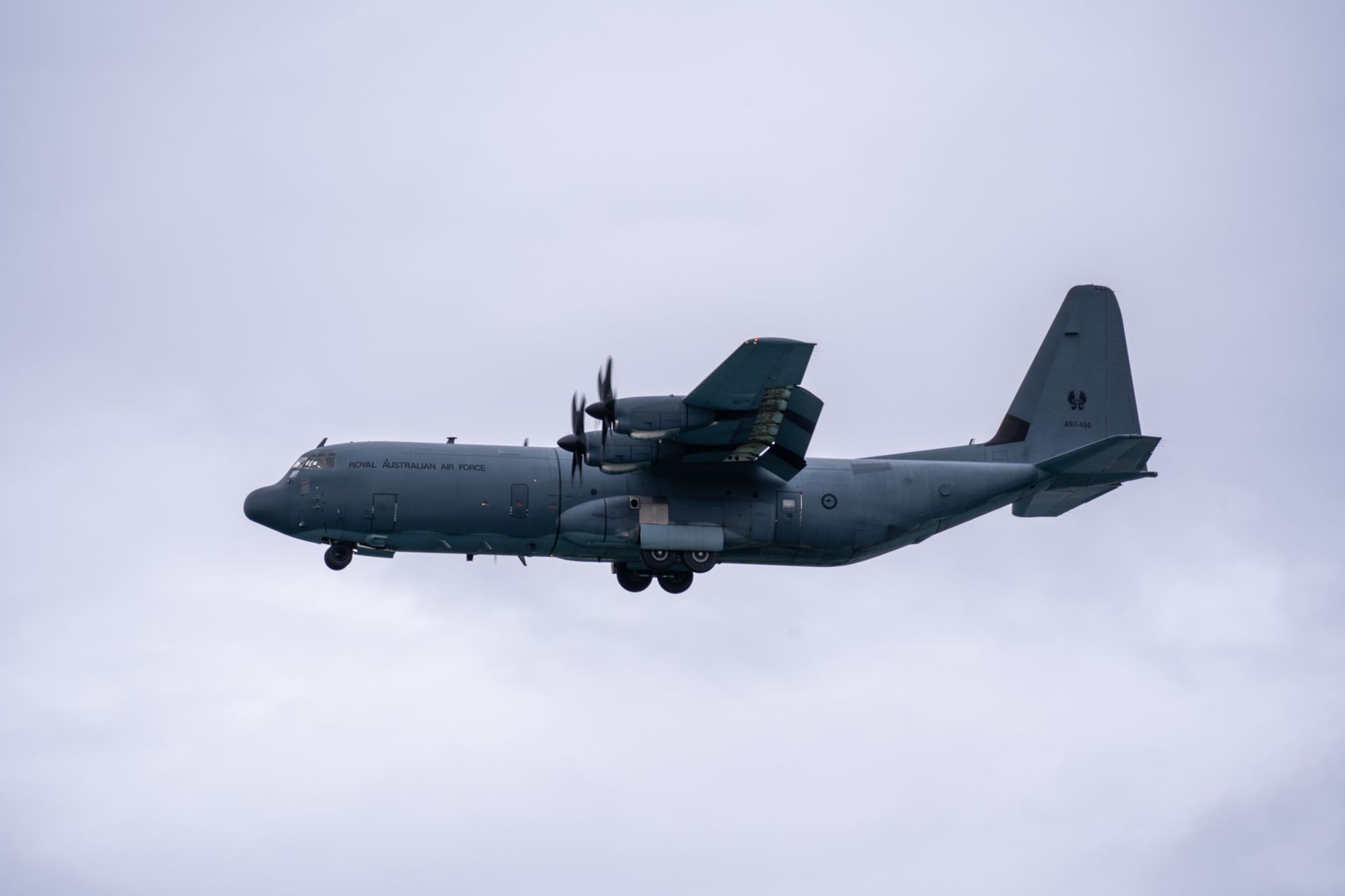
A small contractor-operated aircraft crashed near a remote radar installation in Alaska, killing all eight people aboard, according to reporting by Space Forces Magazine. The crash occurred near the long-range radar site at Oliktok Point — a facility tied to the network of sensors that supports U.S. and allied awareness of aerial approaches to North American airspace. The cause of the crash had not been confirmed at the time of initial reporting, and federal investigators were expected to lead the inquiry.
The victims were contractors, not active-duty military personnel, though the site they were servicing is part of the broader infrastructure underpinning radar defense networks that remain a critical component of homeland air surveillance. The identities of those killed had not been publicly released as of initial reporting. Alaska’s congressional delegation was notified of the incident.
Remote Location Complicates Response
Oliktok Point sits on Alaska’s North Slope, an area characterized by extreme isolation, severe weather conditions, and limited ground access. The logistics of operating in such an environment — whether for military support, search and rescue, or accident investigation — are substantially more demanding than in the contiguous United States. The site’s remoteness is precisely why contractor air transport plays an essential role in supplying and staffing it.
The National Transportation Safety Board was expected to investigate the crash. Given the site’s Arctic location and the involvement of defense-related infrastructure, federal coordination across multiple agencies was anticipated. Officials had not confirmed the aircraft type, the operator, or the specific mission the flight was supporting at the time of publication.

Congressional Response and Broader Context
Senator Lisa Murkowski of Alaska addressed the crash in an official statement posted to X, expressing condolences for those lost and noting the dangerous conditions that workers supporting such remote sites routinely face.
The incident underscores the human cost embedded in maintaining the infrastructure of U.S. homeland defense. Radar sites along Alaska’s Arctic coastline are not passive installations — they require continuous contractor support for maintenance, logistics, and operations, and that work demands regular flight operations into some of the most unforgiving terrain in North America. Those supply and support flights carry real risk, a fact that is rarely part of public discussion around defense readiness.
Alaska hosts a disproportionate share of the United States’ northern-tier sensing and defense architecture, including installations tied to early warning and domain awareness. The loss of eight workers in a single incident is a stark reminder that sustaining that architecture depends on a workforce operating far from public view, under conditions that commercial aviation regulators and military planners alike treat as among the most hazardous in the country. Investigations into contributing factors — weather, aircraft maintenance, flight procedures — were ongoing, with no preliminary findings yet released. Those following developments in northern-tier defense will be watching how the accident review informs future contractor flight protocols at similarly remote sites.