Ukraine Is Becoming NATO’s Classroom on the Realities of Battlefield Robotics
Ukraine is sharing hard-won lessons on ground robots with NATO allies, revealing both the promise and sharp limits of autonomous systems in modern war.
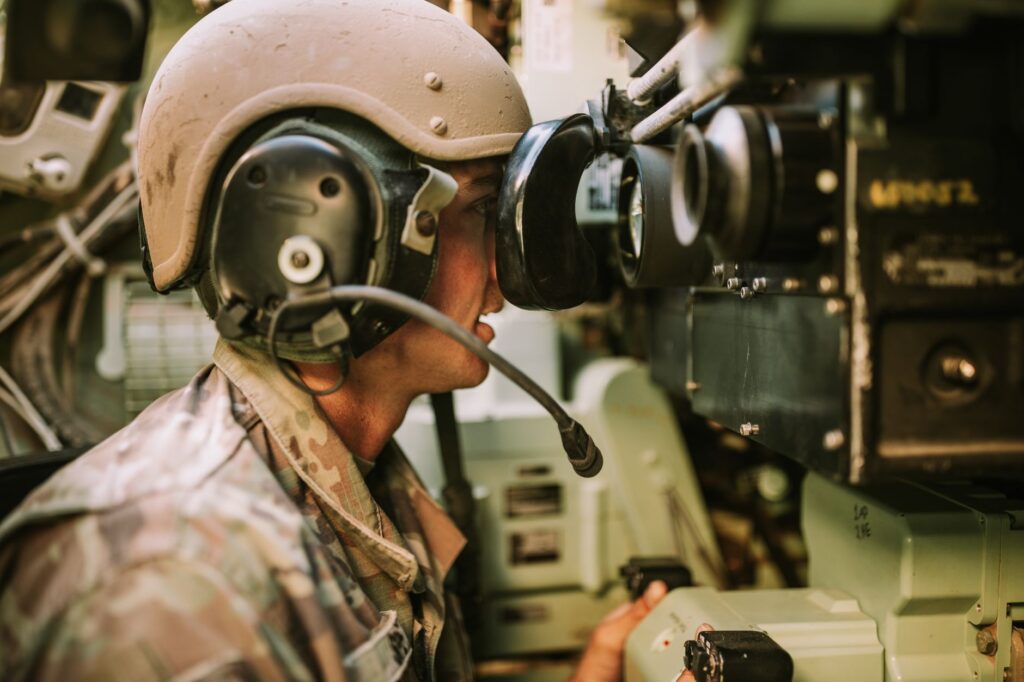
Ukrainian forces have accumulated more direct experience deploying ground robots in live combat than any NATO military, and now they are passing those lessons to alliance partners in structured training environments — including frank assessments of when the technology fails. Business Insider reported the details of how Ukraine is reshaping allied understanding of unmanned ground vehicles (UGVs) through firsthand operational knowledge that no exercise can fully replicate. The exchange is part of a broader and increasingly institutionalized transfer of warfighting knowledge flowing from Kyiv to its Western partners, a dynamic that is quietly reorienting NATO doctrine on emerging technology.
The timing is significant. As allied militaries increase investment in ground robotics programs, Ukraine’s battlefield data is arriving before those systems are locked into procurement and doctrine — a window that defense planners rarely get. The lessons being shared cut against some of the more optimistic assumptions embedded in Western robotics acquisition, particularly around electronic warfare resilience and the ability of autonomous platforms to function in contested, GPS-degraded environments. That matches broader findings from the war, where NATO allies have increasingly treated the Ukrainian front as a living laboratory for future-force concepts.
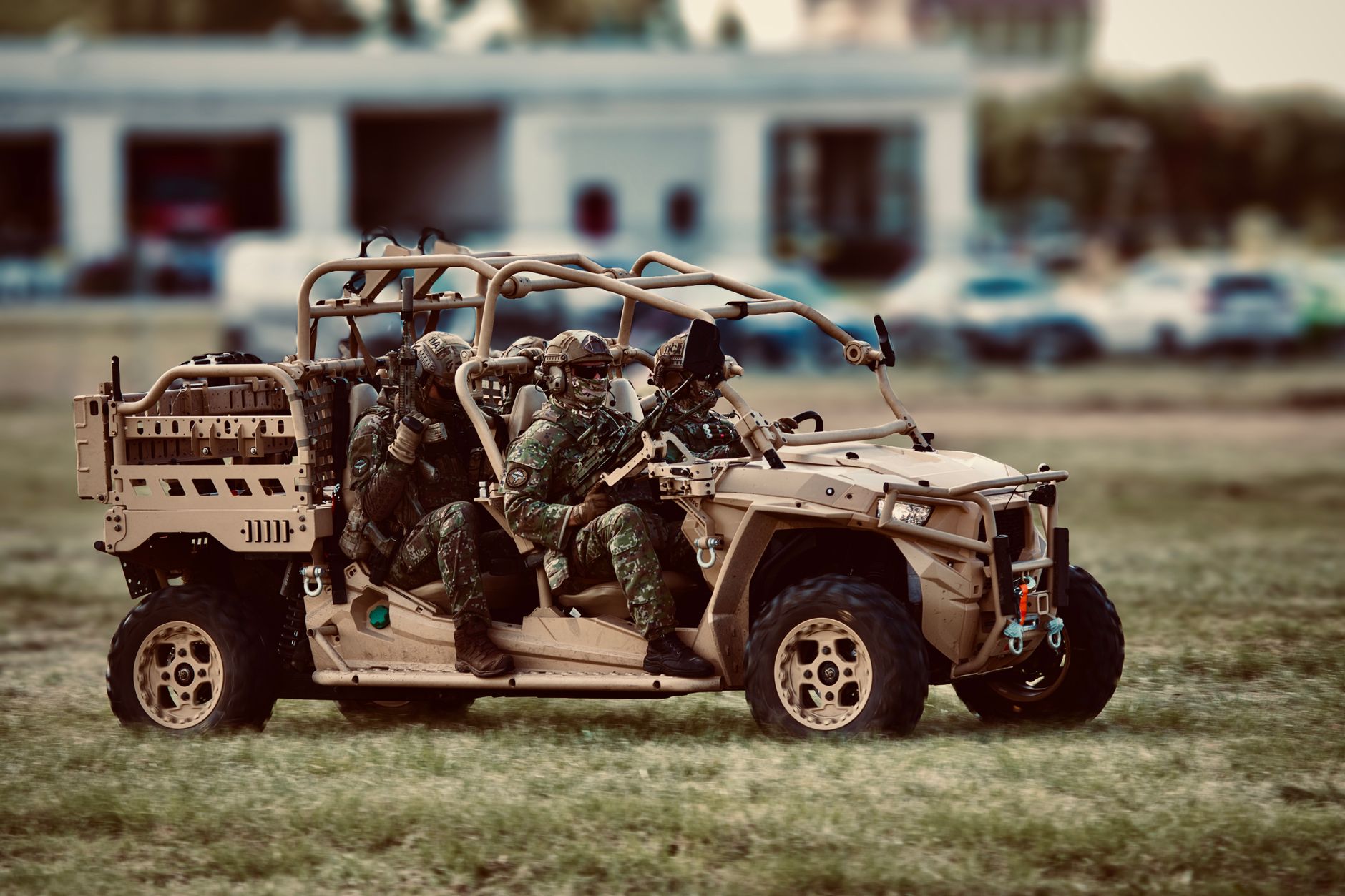
Robots in the Trenches: What Ukraine’s Experience Actually Shows
Ukrainian operators have deployed ground robots for logistics resupply, reconnaissance, and casualty evacuation under fire — missions where keeping personnel off exposed terrain carries obvious value. But the experience has also exposed significant limitations. According to Business Insider’s reporting, Ukrainian forces have found that ground robots struggle in the dense electronic warfare environment that defines the front lines, where jamming routinely disrupts communications links and degrades the remote control and sensor feeds that make UGVs functional. The robots that perform in testing conditions frequently become unreliable or inoperable when subjected to the full electromagnetic spectrum of a contested battlefield.
Terrain has proven an equally stubborn constraint. The varied ground conditions along the front — muddy fields, rubble-strewn urban approaches, and heavily cratered positions — have exposed mobility limitations in platforms designed and tested on smoother surfaces. Ukrainian operators have shared that software and hardware built to specification often encounter edge cases in the field that require human intervention or simply result in mission failure. These are lessons that cannot be read from a technical datasheet, and NATO trainers are treating the firsthand Ukrainian accounts as primary source material rather than anecdotal input.
A Reciprocal Exchange With Lasting Doctrinal Implications
The knowledge transfer is not entirely one-directional. A separate Business Insider report noted that a NATO commander overseeing Ukrainian training described the process as revealing capability gaps within his own forces — particularly around electronic warfare skills that atrophied after the Cold War as NATO optimized for counterinsurgency rather than peer competition. That dynamic — Ukrainian combat experience exposing allied blind spots — has become a recurring feature of the training relationship and suggests the institutional value runs deeper than any single platform or technology.

For NATO’s ground robotics programs, the implications are concrete. Allies investing in UGV fleets will need to account for electronic warfare hardening, redundant or autonomous control architectures, and realistic mobility testing across degraded terrain — requirements that are easier to specify when there is operational evidence behind them rather than modeling assumptions. Taiwan has drawn analogous lessons from Ukraine’s drone experience, redesigning rotary-wing drills around unmanned systems realities, suggesting a wider pattern in which Ukraine’s war is restructuring allied training and acquisition well beyond the immediate conflict. Whether NATO members move quickly enough to incorporate these lessons before their robotics programs mature into procurement contracts may determine how useful the technology actually proves in the next high-intensity fight.