Taiwan’s Apache and Black Hawk Drills Are Being Redesigned Around the Drone Lessons of Ukraine
Taiwan is reshaping helicopter tactics after studying how drones reshaped rotary-wing warfare in Ukraine, per Business Insider.
Taiwan is reconfiguring how its AH-64 Apache attack helicopters and UH-60 Black Hawks train for combat, incorporating hard-won lessons from the drone-saturated battlefields of Ukraine, Business Insider reported this week. The adjustments reflect a broader recognition among militaries worldwide that the unmanned aerial systems proliferating in eastern Ukraine have fundamentally altered the risk calculus for rotary-wing aviation. For Taiwan, operating under the persistent threat of a People’s Liberation Army campaign across the strait, those lessons carry particular operational urgency — a context underscored by the island’s record defense investment in recent years.
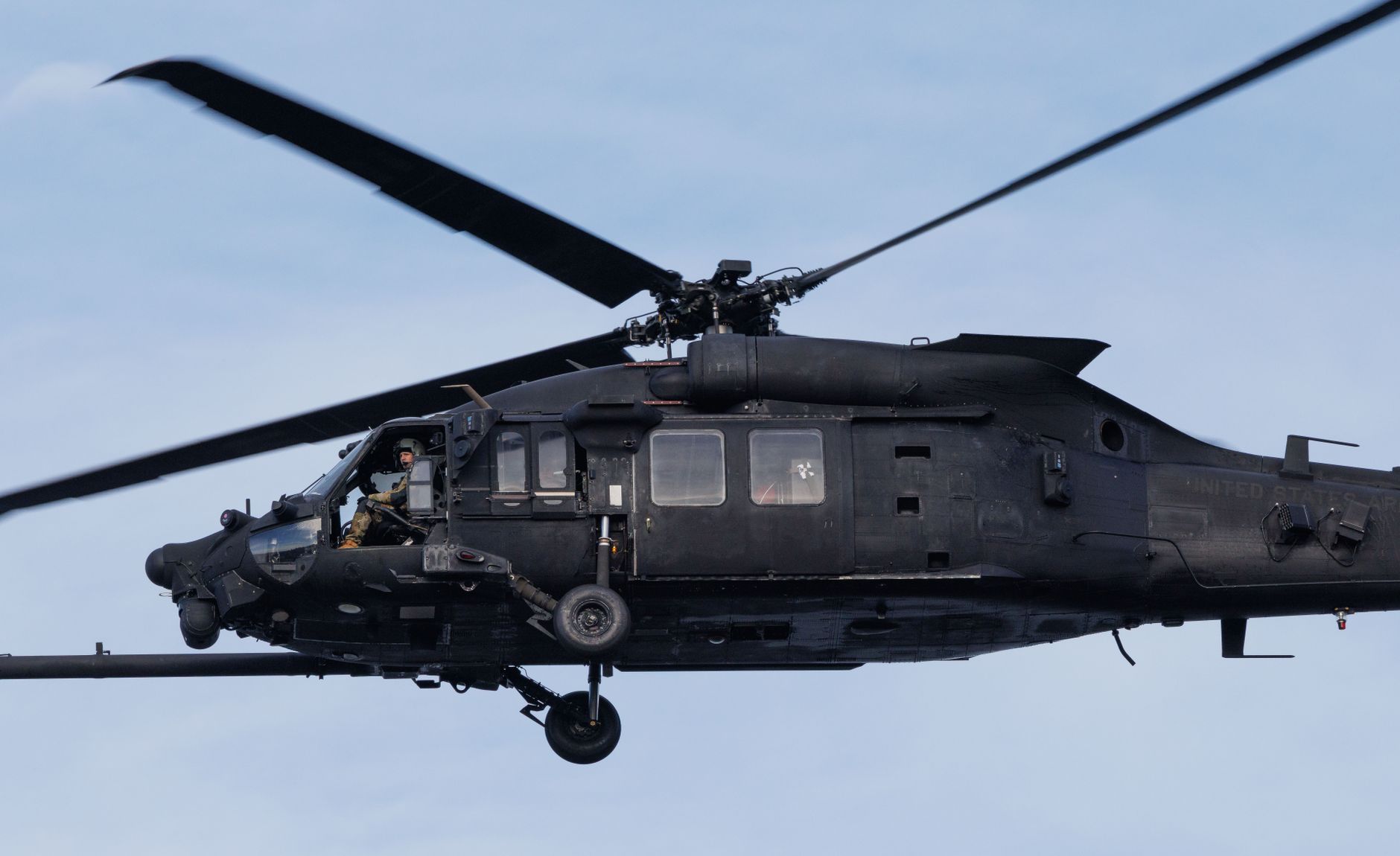
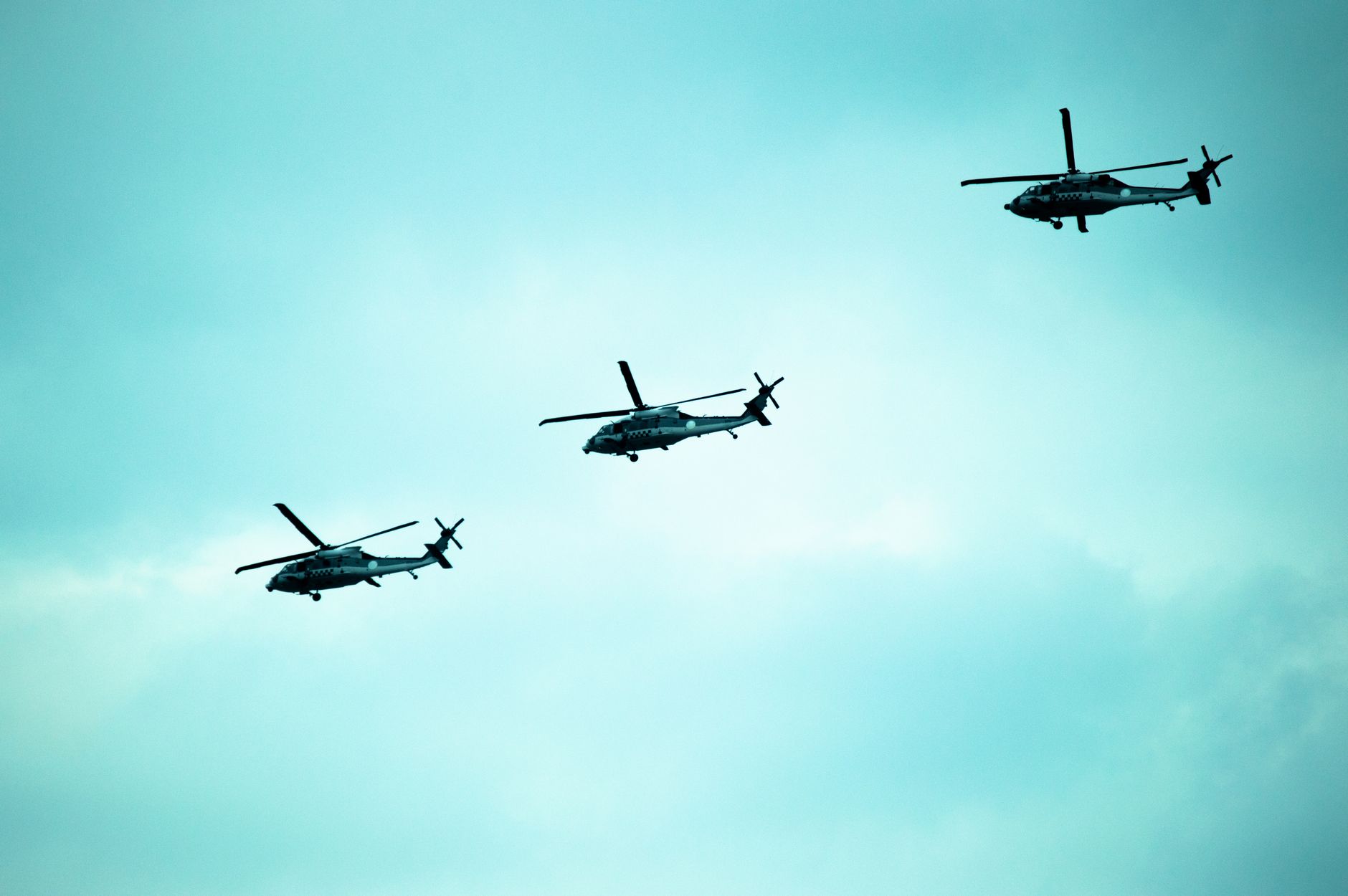
The drills, which involved coordination between Apache gunships and Black Hawk utility helicopters, were structured to account for the kind of low-cost drone threats that have downed or forced the grounding of expensive rotary-wing assets in Ukraine. According to Business Insider’s reporting, Taiwanese forces are studying how first-person-view drones and loitering munitions have made low-altitude flight corridors far more dangerous than conventional air-defense doctrine assumed, pushing planners to rethink altitude management, formation spacing, and the sequencing of attack runs.
What Ukraine’s Battlefield Revealed About Rotary-Wing Vulnerability
The conflict in Ukraine has served as an accelerated live-fire laboratory for drone employment against manned aircraft. Both sides have used commercially sourced and purpose-built unmanned systems to contest airspace at altitudes that helicopters rely on for nap-of-the-earth flight, a tactic historically used to avoid radar-guided surface-to-air missiles. The emergence of cheap FPV drones and autonomous loitering munitions has complicated that calculus: an asset costing a few hundred dollars can now threaten a platform worth tens of millions.
Taiwanese defense planners, per the Business Insider account, have taken particular note of how quickly drone proliferation eroded the operational freedom that helicopter crews had previously exercised at low altitudes. The drills appear designed to rehearse new evasion protocols and to integrate drone-detection awareness into crew decision-making during live exercises rather than treating unmanned threats as an afterthought. The exercise pairing of the Apache — a dedicated attack platform — with the Black Hawk, which handles troop movement and logistics, also reflects the joint-force coordination challenges that drone threats introduce when multiple aircraft types operate in the same contested airspace.
Strategic Implications for Taiwan’s Defense Posture
For Taiwan, the adaptation is not purely doctrinal. The island’s geography — compressed airspace, limited strategic depth, and proximity to PLA air and missile assets — means that any degradation in helicopter effectiveness would have immediate consequences for both strike capability and battlefield mobility. Apache gunships have been a central component of Taiwan’s anti-armor and close air support posture, intended in part to counter amphibious armor in any cross-strait landing scenario. If drone threats can suppress or attrit those platforms early in a conflict, the downstream effects on ground defense could be significant.
The exercise also arrives at a moment when broader alliance discussions about drone-integrated warfare are intensifying across the Indo-Pacific, as documented in coverage of drone warfare developments reshaping military planning globally. Business Insider’s reporting does not detail specific changes to tactics, techniques, and procedures that Taiwan has formally adopted, and officials have not publicly confirmed the full scope of doctrinal revisions underway. What the drill does signal, however, is that Taipei is actively treating Ukraine not as a distant European contingency but as a preview of the operational environment its own forces may face — and moving to close the gap before that environment arrives.