Potential DHS Shutdown Could Snarl TSA Lines
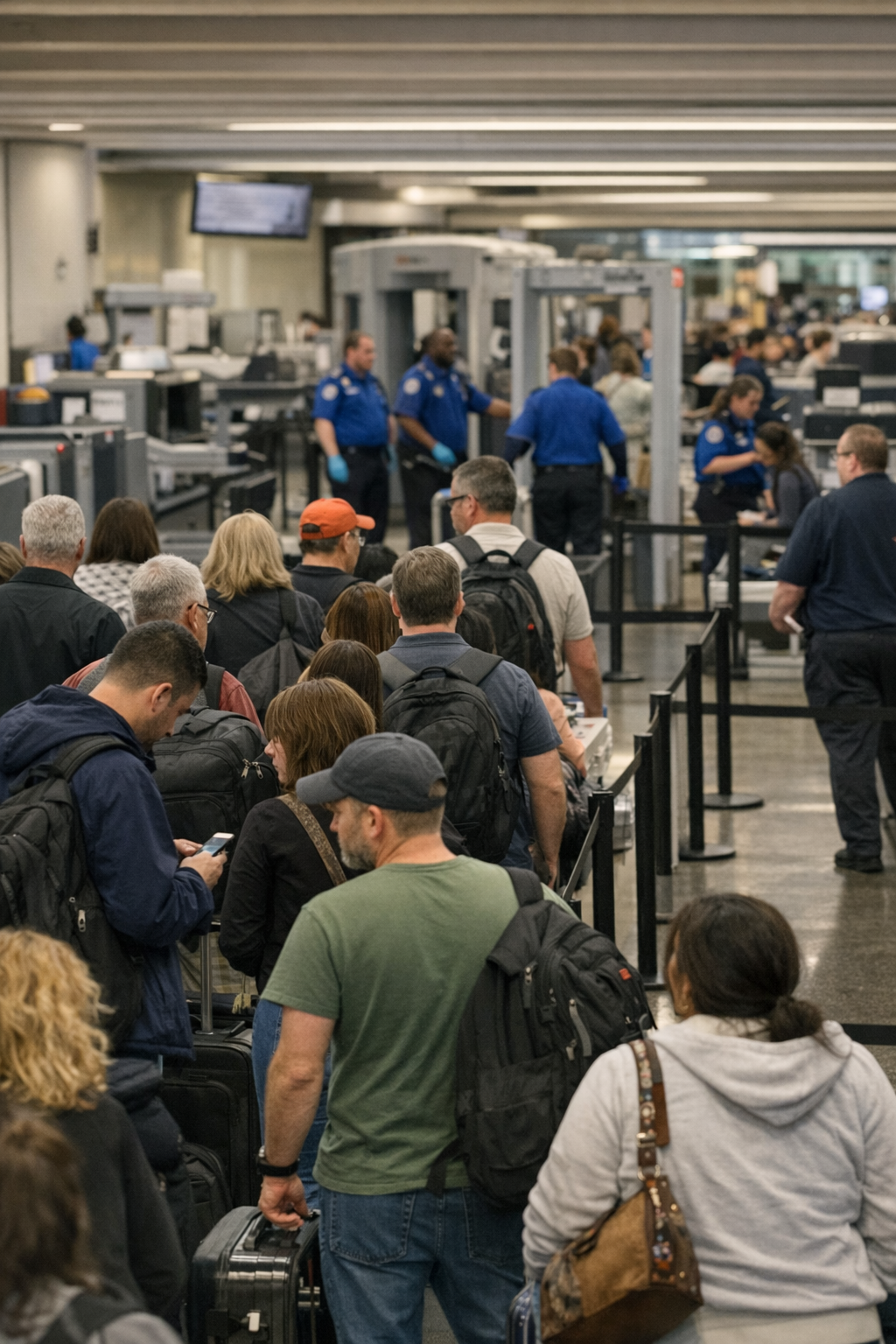
Travelers at major U.S. airports are facing growing uncertainty over the future of expedited security screening programs as lawmakers warn that a potential Department of Homeland Security (DHS) funding lapse could disrupt key operations. The concerns, detailed in the Wall Street Journal article “CLEAR, TSA Lines Could Be Disrupted by DHS Shutdown,” highlight how even short-term political standoffs in Washington may ripple quickly through the nation’s aviation system.
The Transportation Security Administration (TSA), which operates under DHS, plays a central role in maintaining airport security and facilitating passenger flow. In the event of a shutdown, thousands of TSA employees would be required to work without pay, a scenario that has historically led to higher absenteeism and longer wait times. While essential functions would continue, the strain on staffing could significantly reduce efficiency at checkpoints during peak travel periods.
Private-sector partners such as CLEAR, which provides biometric identity verification services that allow travelers to bypass standard document checks, could also be affected. Although CLEAR operates as a separate commercial entity, its integration with TSA checkpoints means disruptions to federal staffing or procedures can limit its effectiveness. The Wall Street Journal reports that airport officials and industry stakeholders are increasingly concerned that such dependencies may leave travelers with fewer reliable options to expedite screening.
Airports already operating near capacity could be particularly vulnerable. Even modest increases in wait times can cascade into missed flights, delayed departures, and operational congestion. Industry analysts note that the timing of any disruption—especially during holidays or heavy travel seasons—could amplify the impact.
Lawmakers from both parties have acknowledged the risks but remain divided on broader budget negotiations. Aviation groups, meanwhile, are urging contingency planning and clearer communication to mitigate passenger confusion. Some airports are preparing for longer lines by advising travelers to arrive earlier than usual, while emphasizing that conditions could change rapidly.
The situation underscores the extent to which the modern travel experience depends on a mix of public infrastructure and private innovation. Programs like TSA PreCheck and CLEAR were designed to streamline screening, but their effectiveness ultimately hinges on consistent federal support. As the funding deadline approaches, both travelers and industry leaders are watching closely, aware that even temporary disruptions could have outsized consequences for an already strained air travel system.