Four Days Adrift Without Power: A Navy Destroyer’s Vulnerability Exposed in Contested Waters
A US Navy destroyer lost propulsion and electrical power for four days in the South China Sea, raising readiness and strategic concerns.
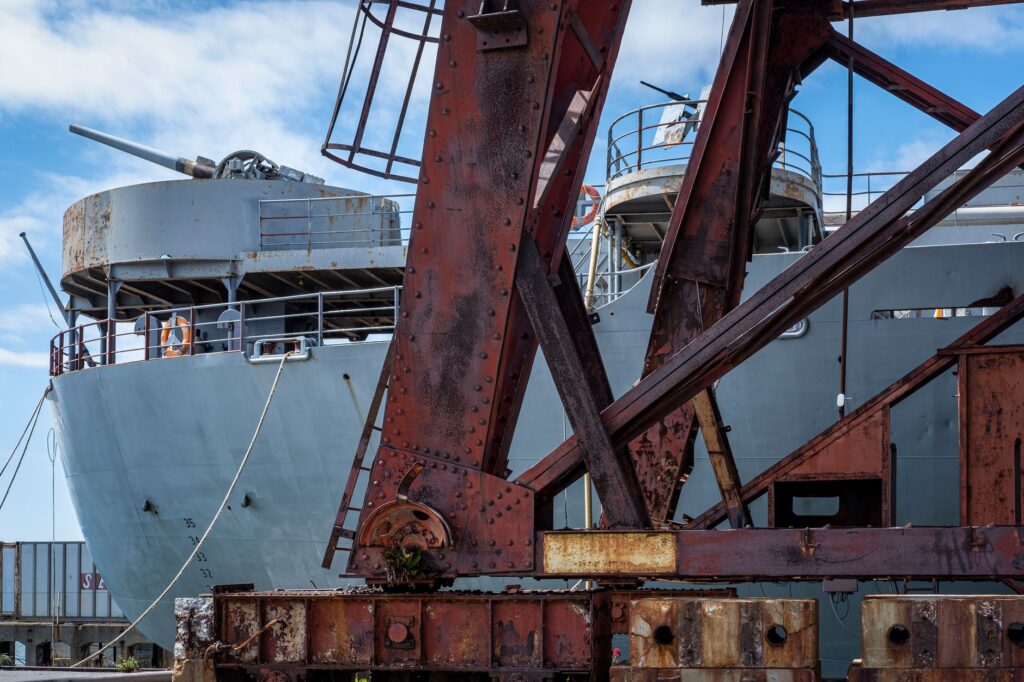
A United States Navy destroyer experienced a complete loss of electrical power and propulsion for four days while operating in the South China Sea, a significant readiness incident in one of the world’s most strategically contested maritime zones, according to a Defense News report published August 19. The incident underscores persistent questions about the material condition of the surface fleet at a moment when US naval presence in the Pacific carries outsized diplomatic and deterrent weight.
Details remain limited. Defense News did not identify the specific vessel by name, and Navy officials have not publicly confirmed the ship’s designation, the cause of the casualty, or the precise location within the South China Sea where the incident occurred. What the reporting makes clear is that the ship was left without power for roughly 96 hours — a window during which it would have been unable to operate its combat systems, sensors, or propulsion under its own power. For coverage of how the Navy is investing in platform upgrades to sustain operational edge in the Pacific, see GDD’s earlier reporting on the E-2D Hawkeye upgrade.
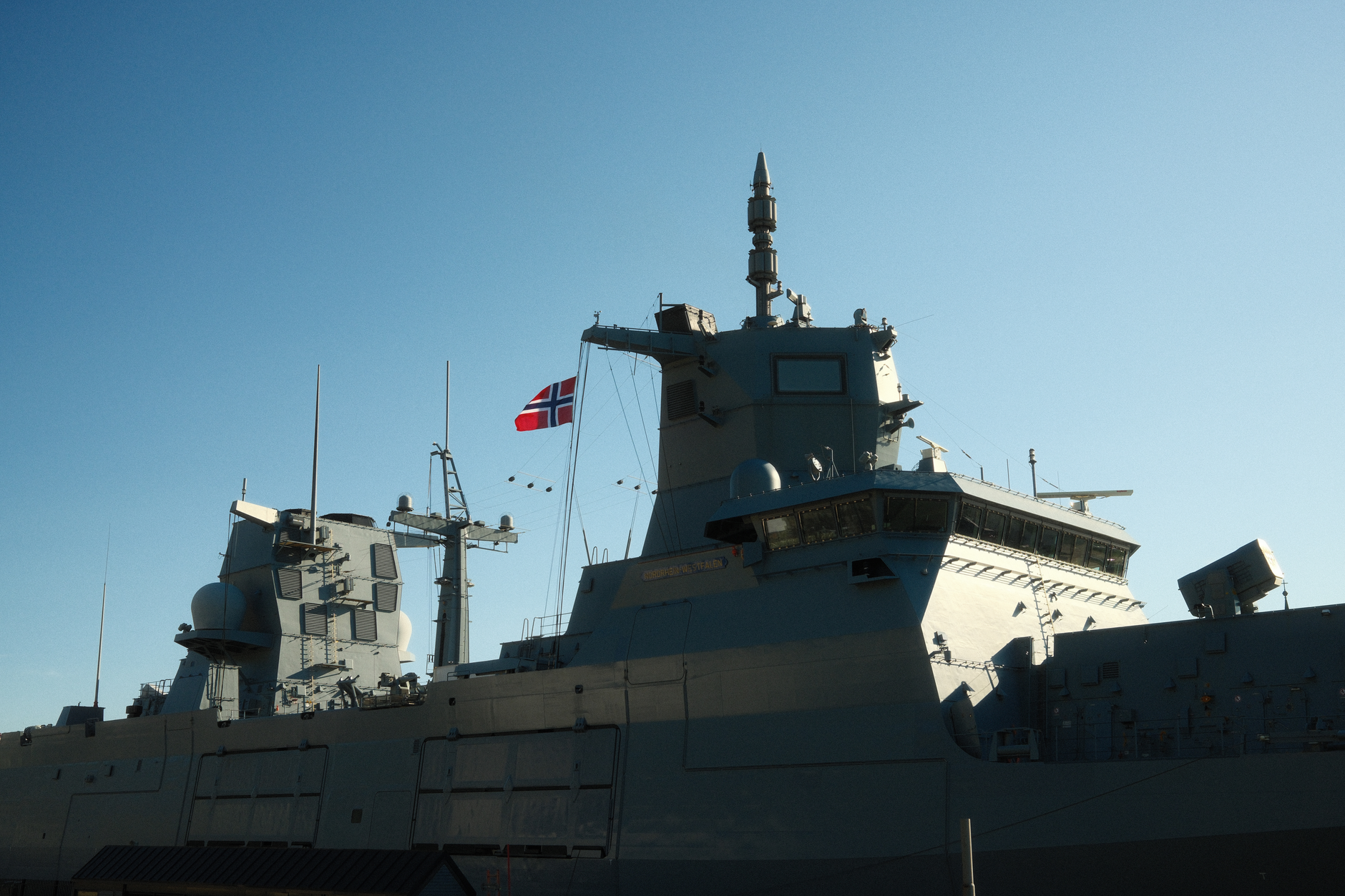
Strategic Context: The Worst Possible Place to Go Dark
The South China Sea is not a forgiving environment for a disabled warship. Beijing claims the vast majority of the waterway under its sweeping nine-dash line assertion, and Chinese coast guard and naval vessels regularly operate aggressively in the area. The Associated Press has documented incidents in which Chinese coast guard personnel physically injured Filipino sailors near Second Thomas Shoal, illustrating the degree to which these waters have become a venue for direct confrontation. A US destroyer sitting dead in such waters — unable to maneuver, unable to employ its weapons or sensors — presents a scenario that defense planners would regard as acutely dangerous, regardless of whether any adversary was aware of the ship’s condition at the time.
The incident coincides with a period of flux in US carrier presence in the Pacific. The USS Theodore Roosevelt has been returning to San Diego following its deployment, according to Forbes reporting, a transition that has reduced the immediate carrier strike group footprint in the region. Reduced high-end coverage at the carrier level makes the material readiness of individual surface combatants more consequential, not less — each ship carries a proportionally greater share of the deterrence burden when the broader force posture is thinned.
Readiness Pressures and What Comes Next
The Navy’s surface fleet has faced documented readiness challenges for years, stemming from high operational tempos, deferred maintenance cycles, and strains on the shipyard industrial base. A multi-day propulsion and power casualty aboard a destroyer in an active theater is a serious data point in that long-running narrative, even if a single incident does not by itself establish a systemic pattern. Navy officials have not commented publicly on what recovery or repair actions were taken, how the ship was eventually restored to operational status, or whether any assistance vessel was dispatched during the four-day period.

The broader question the incident raises is one of margin. US surface combatants in the Western Pacific operate at considerable distance from major repair facilities, and the logistics chain supporting them is itself a target in any high-end conflict scenario. GDD has previously reported on how additive manufacturing trials at RIMPAC reflect the military’s attempt to build resilience into that supply and repair pipeline. Whether those efforts are maturing fast enough to match the operational demands being placed on the fleet remains an open and pressing question. The Navy has offered no timeline for a formal review of the incident.