Media, Class Divide, and Trust in America
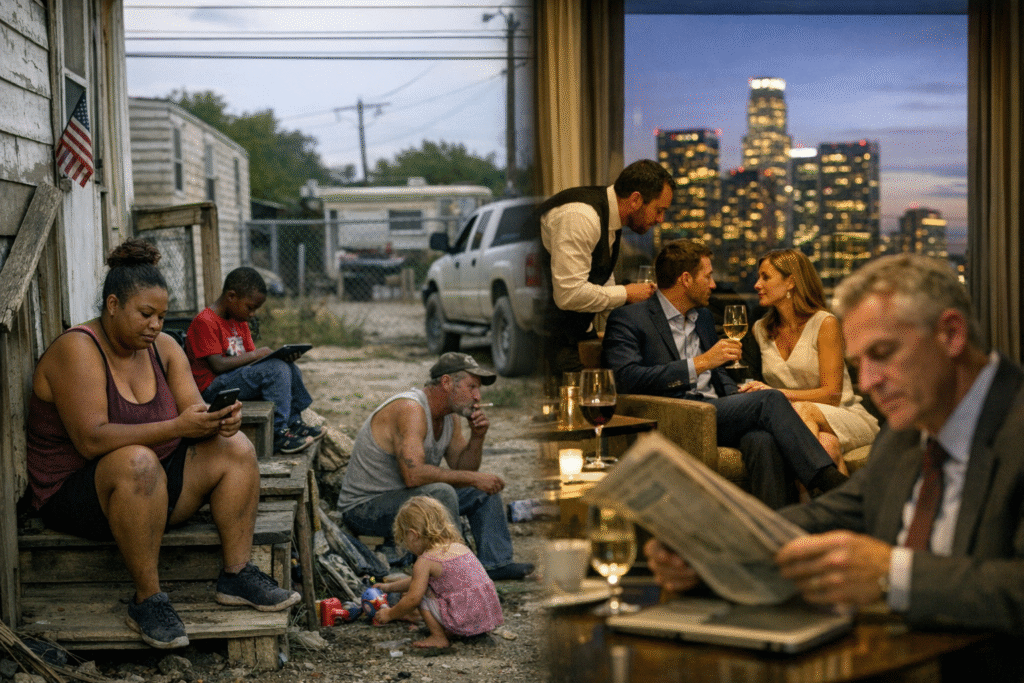
An article titled “Live with Batya Ungar-Sargon and…” published on the MrAndrewFox Substack reflects on a recent long-form discussion featuring journalist Batya Ungar-Sargon, focusing on the evolving dynamics of media, class politics, and public discourse in the United States.
The piece centers on themes that have become increasingly prominent in Ungar-Sargon’s commentary: the growing divide between working-class voters and elite institutions, and the role of news organizations in shaping, and sometimes distorting, that divide. According to the article, the conversation highlights how partisan alignment has, in recent years, been less about traditional economic categories and more about cultural and educational stratification.
Ungar-Sargon, known for her critiques of legacy media, argues that many major outlets have lost touch with working-class concerns, particularly those outside metropolitan areas. The article describes her position that newsroom demographics and institutional incentives have led to a narrowing of perspective, with journalists often reflecting the priorities of highly educated audiences rather than the broader public.
The discussion also touches on the economic challenges facing the media industry itself. As detailed in the Substack article, declining revenues and audience fragmentation have contributed to a more polarized landscape, where outlets increasingly cater to niche ideological groups. This, Ungar-Sargon suggests, reinforces echo chambers and reduces the space for nuanced reporting.
At the same time, the conversation reportedly explores the political consequences of these shifts. The article outlines how distrust in media institutions has fed into wider skepticism toward government and other traditionally authoritative bodies. Ungar-Sargon contends that rebuilding trust will require a renewed focus on reporting that reflects material concerns such as wages, cost of living, and job security, rather than primarily cultural or identity-based issues.
The Substack post frames the exchange as part of a broader reassessment of journalism’s role in a polarized society. It suggests that while critiques like Ungar-Sargon’s remain controversial, they resonate with audiences who feel underserved by existing narratives.
Overall, the article presents the discussion as a window into ongoing debates over media credibility, class representation, and the future of political alignment in the United States, emphasizing the tension between institutional perspectives and populist critiques that continues to shape the national conversation.