Iran Tightens Control in Hormuz Standoff
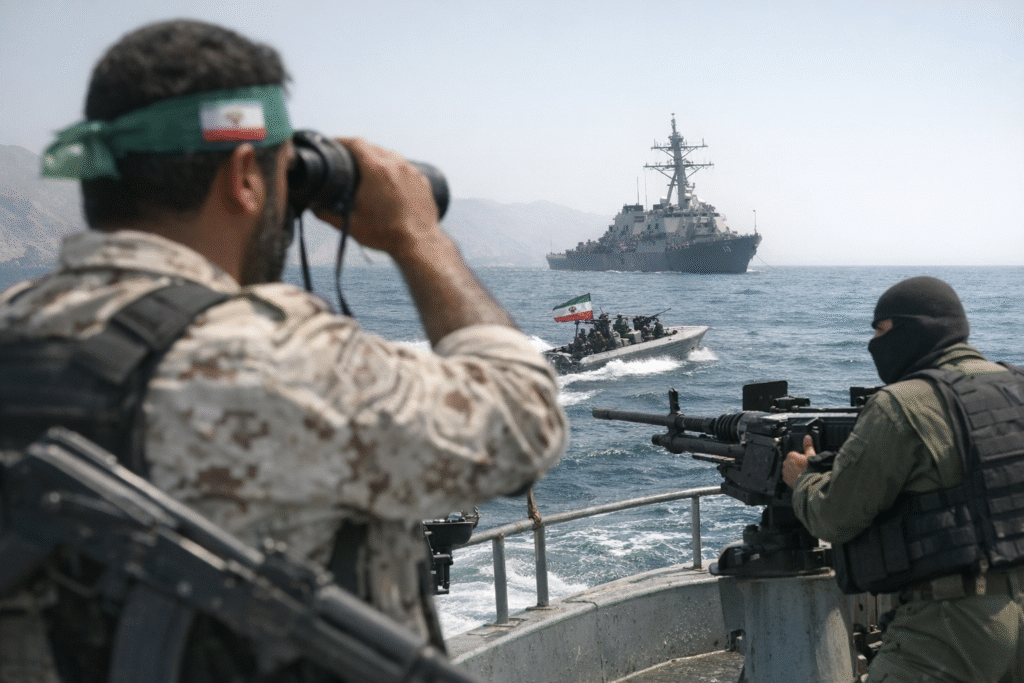
A recent report by The Wall Street Journal, titled “Iran Defies Trump and Tightens Its Grip on Hormuz,” describes a renewed phase of tension in one of the world’s most strategically vital waterways, underscoring how Tehran is seeking to assert greater control over the Strait of Hormuz amid ongoing friction with Washington.
The narrow shipping corridor, through which a significant share of global oil exports passes, has long been a flashpoint between Iran and the United States. According to the Journal’s reporting, Iranian authorities have taken steps that signal both defiance and calculated escalation, including increased naval activity and more assertive enforcement actions against vessels transiting the strait. These measures appear designed to project strength without triggering outright conflict, reinforcing Iran’s long-standing strategy of leveraging the chokepoint as geopolitical leverage.
The developments come against a backdrop of renewed rhetoric from former President Donald Trump, whose policies toward Iran—particularly sanctions and maritime security initiatives—continue to influence the broader U.S. posture. While the precise contours of current U.S. policy remain shaped by multiple administrations’ legacies, Tehran’s actions suggest it is responding not only to present conditions but also to the enduring pressure campaign that has defined U.S.-Iran relations in recent years.
Security analysts cited in the Wall Street Journal article indicate that Iran’s approach reflects a blend of deterrence and opportunism. By tightening its operational grip in the strait, Iran can remind global markets of its capacity to disrupt energy flows, thereby amplifying its strategic relevance. At the same time, it can test the boundaries of international response, gauging how far it can push without provoking a coordinated military reaction.
Regional actors are watching closely. Gulf states, many of which rely heavily on uninterrupted maritime trade, have invested in alternative export routes but remain vulnerable to instability in the strait. Meanwhile, international shipping companies must weigh rising risks, including vessel seizures, inspections, or navigational interference, against the economic necessity of using the route.
The article suggests that Iran’s maneuvers are not merely reactive but part of a broader effort to recalibrate its regional posture. By demonstrating control over a critical chokepoint, Tehran signals to both adversaries and partners that it retains significant leverage despite economic constraints and diplomatic isolation.
What remains uncertain is how other powers will respond if tensions continue to escalate. The United States and its allies have historically maintained a naval presence aimed at ensuring freedom of navigation, but direct confrontation carries substantial risks. For now, the situation appears to be one of controlled friction, with each side probing the limits of the other’s tolerance.
As The Wall Street Journal’s reporting makes clear, the Strait of Hormuz remains a barometer of wider geopolitical strain. Iran’s actions there are likely to reverberate far beyond the Gulf, influencing energy markets, security calculations, and the fragile equilibrium that governs one of the world’s most critical maritime corridors.