Iran Signals Hardline Turn, Talks Stall
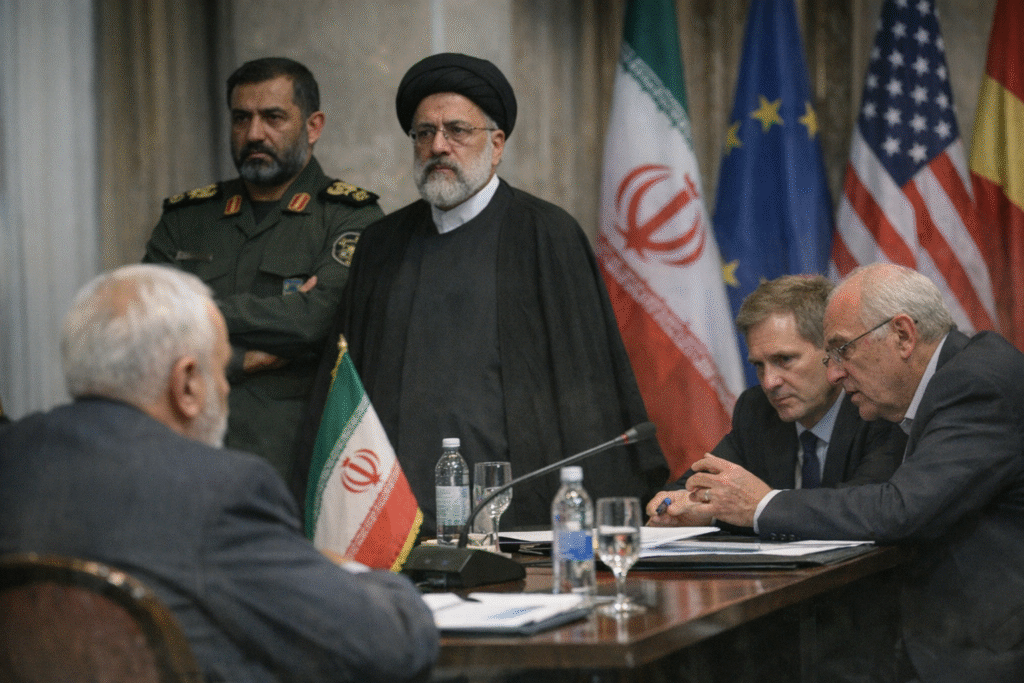
A senior Iranian diplomat has signaled a hardened stance in Tehran’s approach to diplomacy, underscoring escalating tensions and diminishing prospects for near-term negotiations with Western powers. The posture, described in the Wall Street Journal article “The Top Iranian Diplomat Who Says He’s in No Mood to Talk,” reflects a broader shift in Iran’s foreign policy amid regional volatility and continued disputes over its nuclear program.
According to the report, the diplomat has adopted an unyielding tone, asserting that Iran is not prepared to engage in talks under current conditions. This rhetoric comes as indirect negotiations between Tehran and Washington have stalled, with both sides expressing frustration over unmet expectations and lingering mistrust. The diplomat’s remarks suggest that Iran views the existing diplomatic framework as insufficient or skewed against its interests.
The Wall Street Journal notes that the stance is shaped in part by domestic political dynamics within Iran, where hardline factions have consolidated influence. This internal pressure has reduced incentives for compromise, particularly in the absence of tangible economic relief from sanctions. Iranian officials argue that previous negotiations failed to deliver promised benefits, reinforcing skepticism toward renewed engagement.
The regional context further complicates the situation. Ongoing conflicts and shifting alliances in the Middle East have heightened security concerns for Tehran, contributing to a more defensive and assertive diplomatic posture. The diplomat’s comments also reflect Iran’s effort to project resilience and autonomy in the face of international pressure.
At the same time, analysts cited in the Wall Street Journal report suggest that the rhetoric may be partly strategic, aimed at strengthening Iran’s bargaining position rather than definitively closing the door to talks. By signaling reluctance, Tehran could be seeking concessions or changes in the negotiation format before reengaging.
Western officials, for their part, have expressed concern that hardening attitudes on both sides risk prolonging the stalemate. The absence of dialogue raises the possibility of further escalation, particularly as questions remain unresolved regarding Iran’s nuclear activities and compliance with previous agreements.
The report highlights how the current impasse reflects a deeper erosion of trust that has accumulated over years of failed diplomacy. While neither side has ruled out eventual negotiations, the tone of recent statements suggests that meaningful progress will be difficult to achieve in the near term.
In this environment, the diplomat’s assertion that he is in no mood to talk serves as both a reflection of current realities and a signal of the challenges ahead. As the Wall Street Journal article makes clear, any path back to negotiations will likely require significant shifts in expectations and a renewed willingness to compromise on all sides.