Whiteman AFB to Swap A-10s for F-15Es in Move That Reshapes the Entire Strike Eagle Inventory
F-15Es will replace retiring A-10s at Whiteman AFB, triggering a broader realignment of the Strike Eagle fleet across the Air Force.

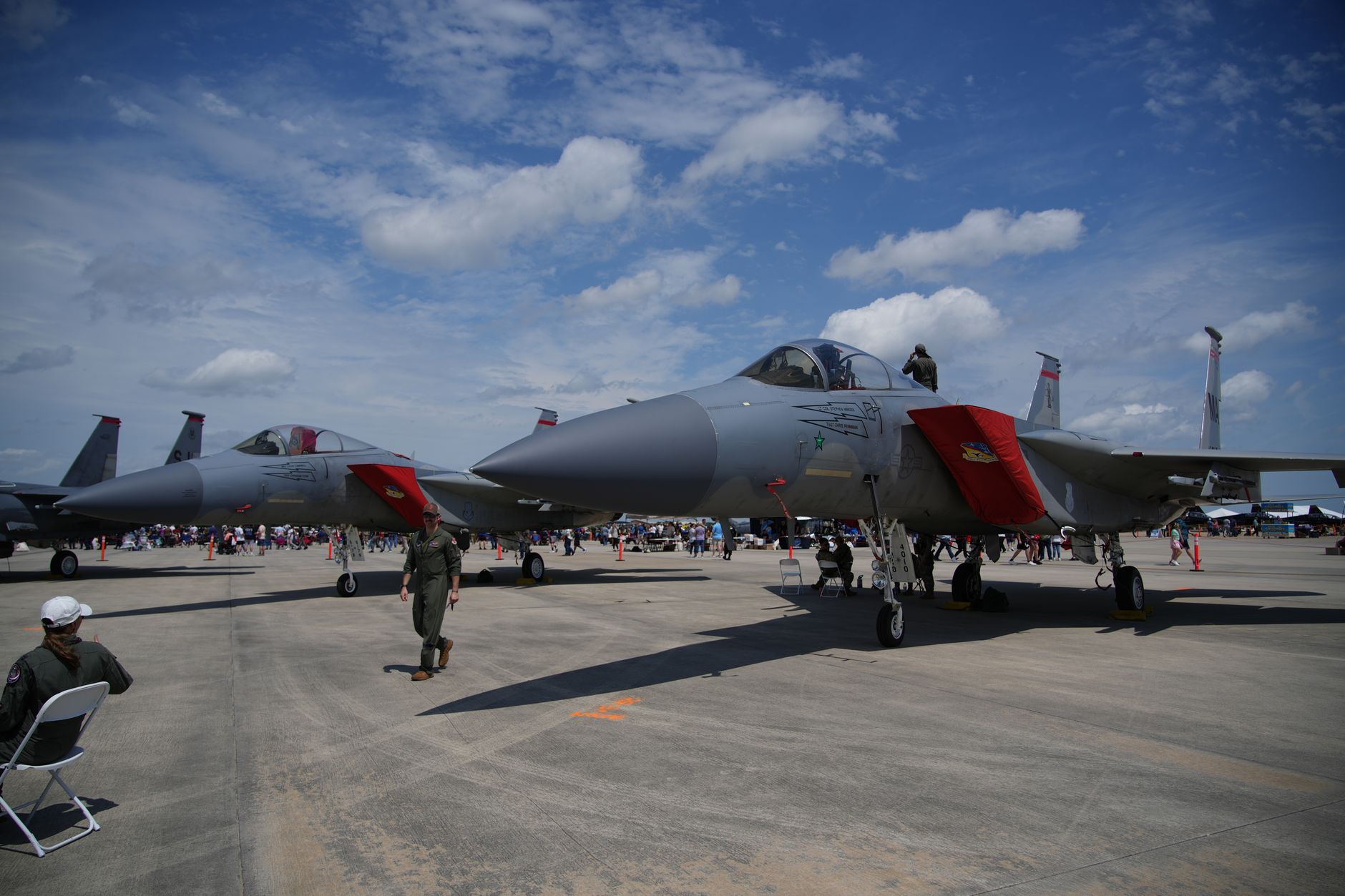
The U.S. Air Force will station F-15E Strike Eagles at Whiteman Air Force Base in Missouri, replacing the A-10 Thunderbolt IIs that have long been assigned there, a move that according to The War Zone signals a wider reshuffling of the Strike Eagle fleet rather than a simple one-for-one swap. The announcement adds operational texture to the ongoing, congressionally contested retirement of the A-10 and underscores how the Air Force is redistributing its multirole strike capacity as the Warthog era winds down. For readers tracking Air Force modernization, the Whiteman decision is part of a broader pattern of basing and fleet restructuring tied to shifting operational priorities.
The Secretary’s Announcement and What It Confirmed
Secretary of the Air Force Troy Meink made the assignment public through an official statement on X, confirming that F-15Es would be coming to Whiteman and framing the move as part of the service’s effort to maintain combat-ready strike capacity as legacy platforms retire.
Whiteman AFB is best known as the home of the B-2 Spirit stealth bomber, operated by the 509th Bomb Wing, making it one of the more operationally significant installations in the continental United States. The addition of F-15Es — a twin-engine, two-seat multirole aircraft optimized for both air-to-air and precision strike missions — would layer a tactical strike capability onto a base already hosting a strategic one. The War Zone noted that the basing decision is not simply about filling a gap left by the A-10 but reflects deliberate choices about where Strike Eagle airframes are positioned across the force.
A-10 Retirement and the Broader Fleet Equation
The A-10 has been the subject of a prolonged retirement debate, with Congress repeatedly intervening to slow or block divestiture efforts the Air Force has pursued for years. The service has consistently argued that the aircraft’s single-mission close air support profile is difficult to sustain against the cost of maintaining aging airframes, and that multirole platforms can absorb the mission. The assignment of F-15Es to Whiteman is a concrete step in that transition, though it does not resolve the larger question of how many A-10s remain in the inventory or on what schedule they will be retired — figures the Air Force has revised multiple times under congressional pressure.
Critically, The War Zone’s reporting emphasizes that the Whiteman announcement is tied to a broader realignment of where F-15E units are based across the service, not just a local basing decision. Moving Strike Eagles into a slot previously held by A-10s requires drawing airframes and personnel from somewhere in the existing Eagle inventory, meaning other wings or squadrons may be adjusted concurrently. The Air Force had not, as of the source reporting, laid out the full downstream basing picture. That lack of detail leaves open questions about which existing F-15E units might be consolidated, reduced, or repositioned as the realignment proceeds — details that will matter considerably to the states and congressional delegations that host those installations. The Pentagon’s force posture reviews more broadly are creating similar cascading basing questions across multiple commands and platforms.