EV Switch Lessons From Drivers in the Real World
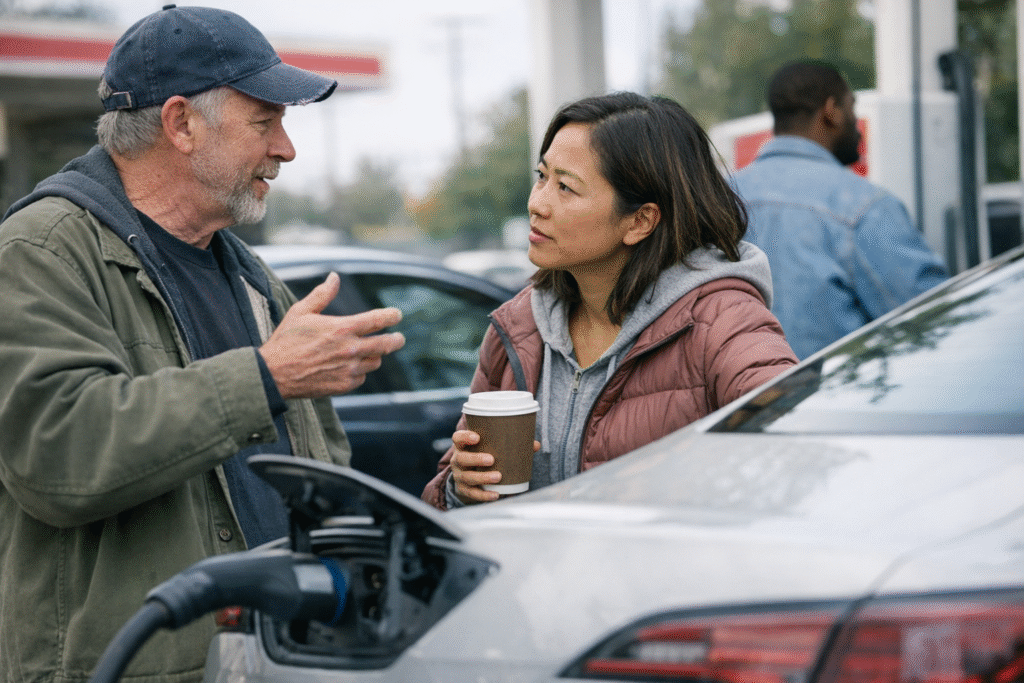
A recent Wall Street Journal article, “WSJ Readers Share Their Top Tips for Switching to an EV,” offers a grounded look at the practical lessons drivers have learned as electric vehicles move further into the mainstream. Drawing on firsthand accounts, the piece underscores that while EV adoption continues to grow, the transition remains as much behavioral as it is technological.
Among the most consistent themes highlighted by readers is the importance of home charging. Many respondents emphasized that installing a Level 2 charger is less a convenience than a foundational step in making electric ownership viable. Without it, reliance on public infrastructure can quickly erode the cost and convenience advantages that draw buyers to EVs in the first place. Those who charged primarily at home described a routine that resembled charging a phone: plug in overnight, start the day full.
Closely related is the shift in mindset around range. Drivers noted that “range anxiety” tends to diminish with experience, but only after adopting new habits such as planning longer trips more carefully. Several readers pointed to smartphone apps and in-car navigation systems that map charging stations along a route, though reliability and availability still vary by region. The article suggests that the learning curve is real, particularly for drivers accustomed to ubiquitous gas stations and minimal planning.
Weather also emerged as a critical variable. Readers in colder climates reported noticeable reductions in battery performance during winter months, reinforcing the need for buffer in both planning and expectations. Preconditioning the vehicle while plugged in and understanding how temperature affects range were frequently cited as essential practices.
Cost considerations, another focal point of the Wall Street Journal piece, appear more nuanced than simple fuel savings. While electricity is often cheaper than gasoline on a per-mile basis, readers pointed to upfront vehicle costs, charger installation expenses, and fluctuating electricity rates as factors that complicate the equation. Maintenance savings were acknowledged, but not always enough to offset the initial investment in the short term.
The social dimension of EV ownership also surfaced in reader feedback. Some described becoming informal ambassadors, fielding questions from neighbors and colleagues curious about the practicality of electric cars. Others noted lingering skepticism, particularly around long-distance travel and charging reliability, suggesting that broader cultural adoption still faces perceptual hurdles alongside infrastructure challenges.
Taken together, the experiences shared in “WSJ Readers Share Their Top Tips for Switching to an EV” illustrate that the transition to electric driving is not frictionless, but increasingly manageable. As infrastructure improves and familiarity grows, many of the obstacles described may recede. For now, however, the accounts reflect a period of adjustment in which preparation, flexibility, and a willingness to rethink long-standing habits remain central to the EV experience.