European Defense Industry Body Warns Members to Strengthen Security After String of Suspicious Incidents
A European defense industry group is urging member companies to heighten security after a series of suspicious incidents targeting the sector.
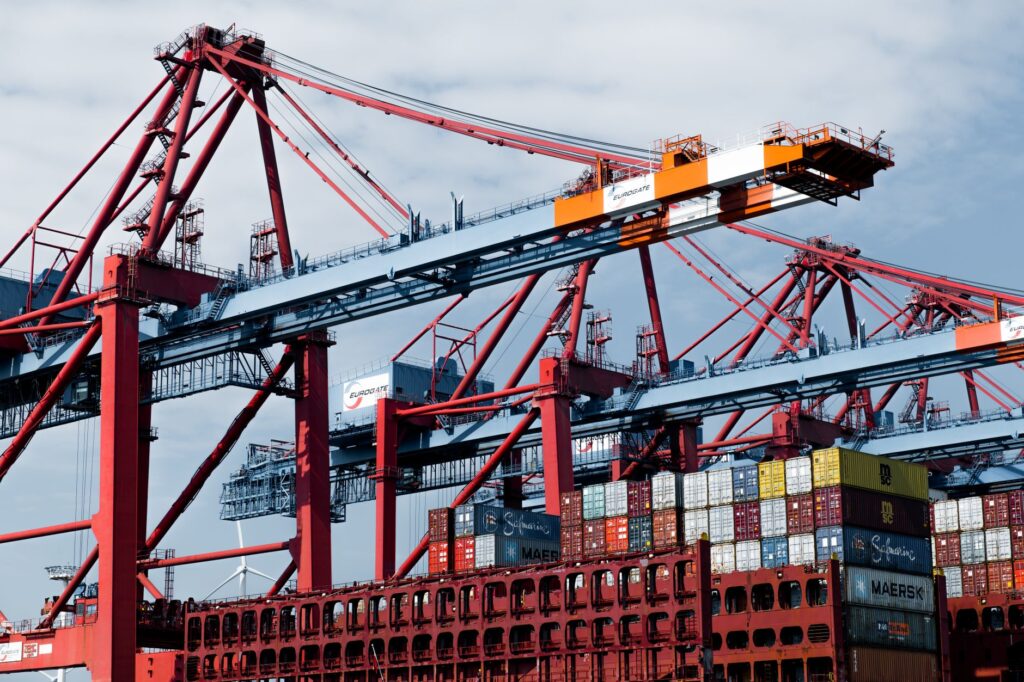
A prominent European defense industry association has issued a formal call for heightened security awareness across its member companies, citing a pattern of suspicious incidents that officials believe may be targeting the continent’s defense-industrial base. The warning, reported by Breaking Defense, reflects growing concern among European governments and industry leaders that adversaries are actively probing defense manufacturers for vulnerabilities — through means that extend well beyond conventional cyberattacks. The alert is the latest signal that hybrid threats to the defense sector have moved from a background concern to an operational priority. As researchers have separately documented, AI-enabled threats now form part of the toolkit adversaries are directing at Western defense targets.
The group’s advisory does not attribute the incidents to a specific state actor, and officials have not confirmed the precise nature or number of the events involved. What the association has made clear is that member firms should treat physical security, personnel vetting, and information protection as interconnected challenges rather than isolated compliance obligations. The framing of the alert — urging “vigilance” across the board rather than prescribing a narrow technical countermeasure — suggests the incidents span multiple vectors and that the group is reluctant to detail specifics that could compromise ongoing investigations.
A Threat Landscape Shifting Toward the Industrial Base
European defense manufacturers have operated under heightened scrutiny since Russia’s full-scale invasion of Ukraine in 2022 dramatically accelerated continental rearmament. That rearmament has drawn investment, political attention, and production contracts to firms across the continent — and, defense officials have consistently warned, it has also elevated those firms as targets. Supply chain infiltration, insider recruitment, and physical acts of sabotage have all featured in European security assessments in recent years, though authorities have often been cautious about publicly linking specific incidents to foreign intelligence services.
The industry group’s warning aligns with a broader trend in which European governments have begun treating defense-industrial security as a national security matter in its own right, not merely a commercial or regulatory concern. Several NATO member states have introduced or tightened legislation governing foreign investment in sensitive industries, and security services in multiple countries have issued advisories specifically mentioning the defense sector as a high-priority target for hostile state actors. Officials have not confirmed whether the incidents that prompted the current advisory are connected to any active criminal or counterintelligence investigations.
What Firms Are Being Asked to Do
According to the Breaking Defense report, the association is urging member companies to review and reinforce their security protocols across physical, digital, and human-intelligence dimensions. The guidance stops short of mandating specific technical standards, instead emphasizing a culture of awareness and the importance of reporting anomalies to both company security officers and relevant national authorities. The approach reflects a recognition that smaller suppliers — which form a significant portion of any major defense prime’s supply chain — may lack the internal resources to implement enterprise-grade security programs without external guidance and support.
The advisory also implicitly acknowledges a structural challenge: defense supply chains in Europe are deeply internationalized, meaning that a vulnerability at a mid-tier subcontractor in one country can translate into risk for a prime contractor and ultimately a government customer in another. Coordinating security standards across that kind of distributed industrial ecosystem is a problem that neither industry associations nor governments have fully solved. For now, the group’s message is a baseline one — watch for the unusual, report what you see, and treat security as a shared responsibility rather than a box to be checked.