Arctic Security Gaps Expose NATO’s Northern Flank to Accelerating Russian and Chinese Pressure
A Defense One analysis warns that Arctic security shortfalls are leaving NATO’s northern flank exposed as Russia and China deepen polar cooperation.
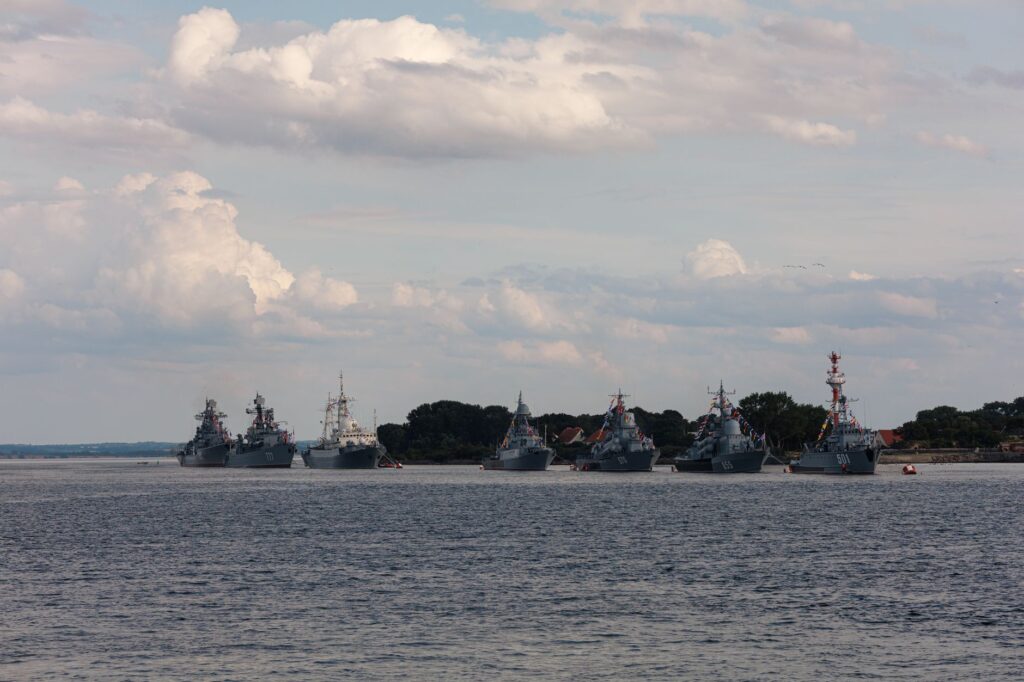
The Arctic is no longer a strategic afterthought. A Defense One analysis published in September 2026 argues that NATO and the United States are failing to match the pace of Russian and Chinese activity across the High North, leaving critical gaps in surveillance, infrastructure, and deterrence posture at one of the world’s most consequential emerging theaters. The assessment arrives as allied defense establishments remain heavily focused on the Middle East and the European land frontier, diverting political attention and procurement resources from a region where the strategic calculus is shifting faster than policy can track. Concerns about competing budget priorities have repeatedly complicated long-range planning for Arctic-capable assets and basing.
The analysis does not frame the problem as hypothetical. Russian military infrastructure along its Arctic coastline has expanded measurably over the past decade, encompassing airfields, radar installations, and port facilities that extend Moscow’s ability to project power across the Barents Sea and into the North Atlantic approaches. China, meanwhile, has pressed its self-declared identity as a “near-Arctic state” into a practical program of icebreaker construction, scientific station operations, and growing logistical interest in northern sea routes that could compress transit times between Asia and Europe. The convergence of Russian military capacity and Chinese economic and technological investment represents a compound challenge that neither partner faces alone — and one that Western planners have been slow to address in an integrated way.
Infrastructure Deficits and Sensor Coverage
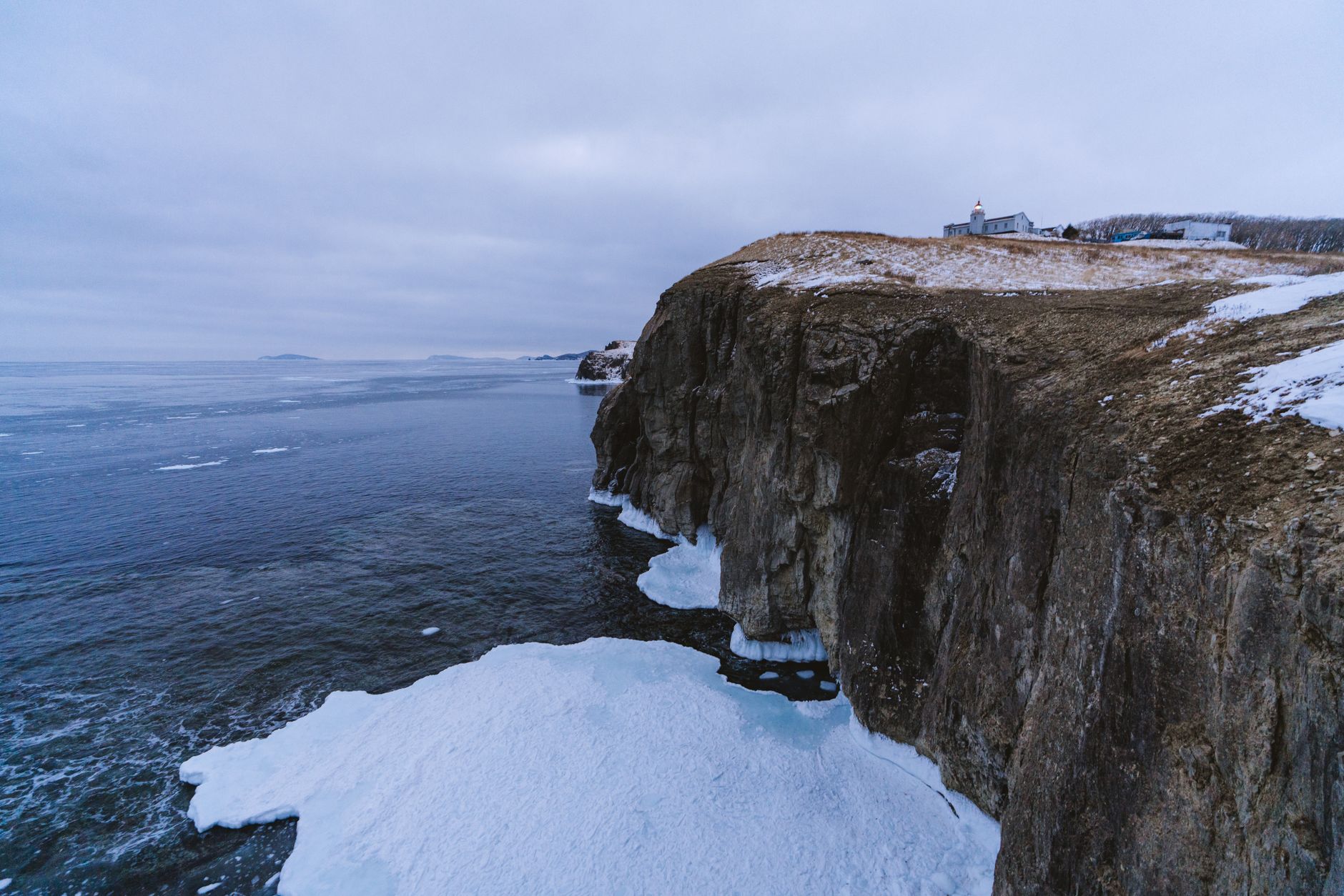
Among the most pointed concerns raised in the Defense One piece is the state of allied sensing and domain awareness across the High North. Persistent cloud cover, extreme cold, and the vast distances involved degrade the effectiveness of systems designed for temperate or mid-latitude environments. Satellite revisit rates over polar regions, the analysis notes, remain insufficient for the kind of continuous maritime tracking that effective deterrence requires. That gap is particularly consequential given the tempo of Russian submarine activity in the North Atlantic, which Western naval officials have publicly described as reaching levels not seen since the Cold War.
Ground-based infrastructure presents a parallel problem. Many of the airfields, fuel depots, and communications nodes that NATO would rely on for High North operations were built during or shortly after the Cold War and have received inconsistent investment since. Allies with direct Arctic frontage — Norway, Canada, Denmark through Greenland — have each taken steps to modernize portions of their northern posture, but the analysis suggests those national efforts remain insufficiently coordinated and collectively under-resourced relative to the scale of the challenge. The question of who funds what, and on what timeline, has not been resolved at the alliance level.

Strategic Consequences and the Alliance Response
The broader strategic implication of the Defense One argument is that the Arctic functions as a potential corridor, not merely a frontier. Control of the northern sea routes and the ability to operate freely in the Greenland-Iceland-United Kingdom gap — historically the chokepoint through which Soviet submarines would have transited to threaten Atlantic supply lines — shapes the overall balance of a potential high-end conflict in ways that extend well beyond the region itself. Allowing Russia to entrench an anti-access posture in the High North would complicate reinforcement of Europe from North America, a contingency NATO has spent the post-2022 period re-examining with new urgency. Those reinforcement concerns intersect with wider questions about defense industrial capacity and whether allied industry can sustain production rates adequate to a prolonged contingency.
The analysis stops short of prescribing a specific force posture or budget figure, reflecting the genuine difficulty of agreeing on priorities within a thirty-two-nation alliance. What it does assert is that the current trajectory — incremental national investments, ad hoc coordination, and deferred decisions on icebreaker acquisition and Arctic-capable aircraft — is insufficient given the rate at which Russia and China are consolidating their respective positions. Whether allied governments translate that assessment into concrete commitments, or allow the Arctic to remain a second-tier priority while other crises command the agenda, is the central question the piece leaves with its readers.