Trump and Netanyahu Confer at White House as US Forces Intercept Iranian Missiles and Oil Markets Spike
US forces intercepted an Iranian missile attack as Trump and Netanyahu met at the White House, pushing oil prices sharply higher.

U.S. forces intercepted an Iranian ballistic missile attack on Israel, triggering an immediate surge in global oil prices and prompting an emergency summit between President Donald Trump and Israeli Prime Minister Benjamin Netanyahu at the White House, according to Bloomberg reporting. The intercept marked a direct American military involvement in the latest escalation cycle between Iran and Israel, raising the strategic stakes across West Asia at a moment when both sides had been signaling, at least nominally, an interest in de-escalation.
The meeting between Trump and Netanyahu came as U.S. officials publicly dialed back the most aggressive rhetorical posture toward Tehran, signaling that Washington was calibrating its response carefully rather than committing to an expanded military confrontation. The two leaders’ discussions were not fully detailed in public readouts, but the pairing of a military intercept with diplomatic engagement at the highest level reflects the dual-track approach the administration appears to be pursuing. With carrier strike groups already maintaining forward positions in the region, the U.S. military posture provided the backdrop against which those talks took place.
Strait of Hormuz Pressure and the Energy Risk
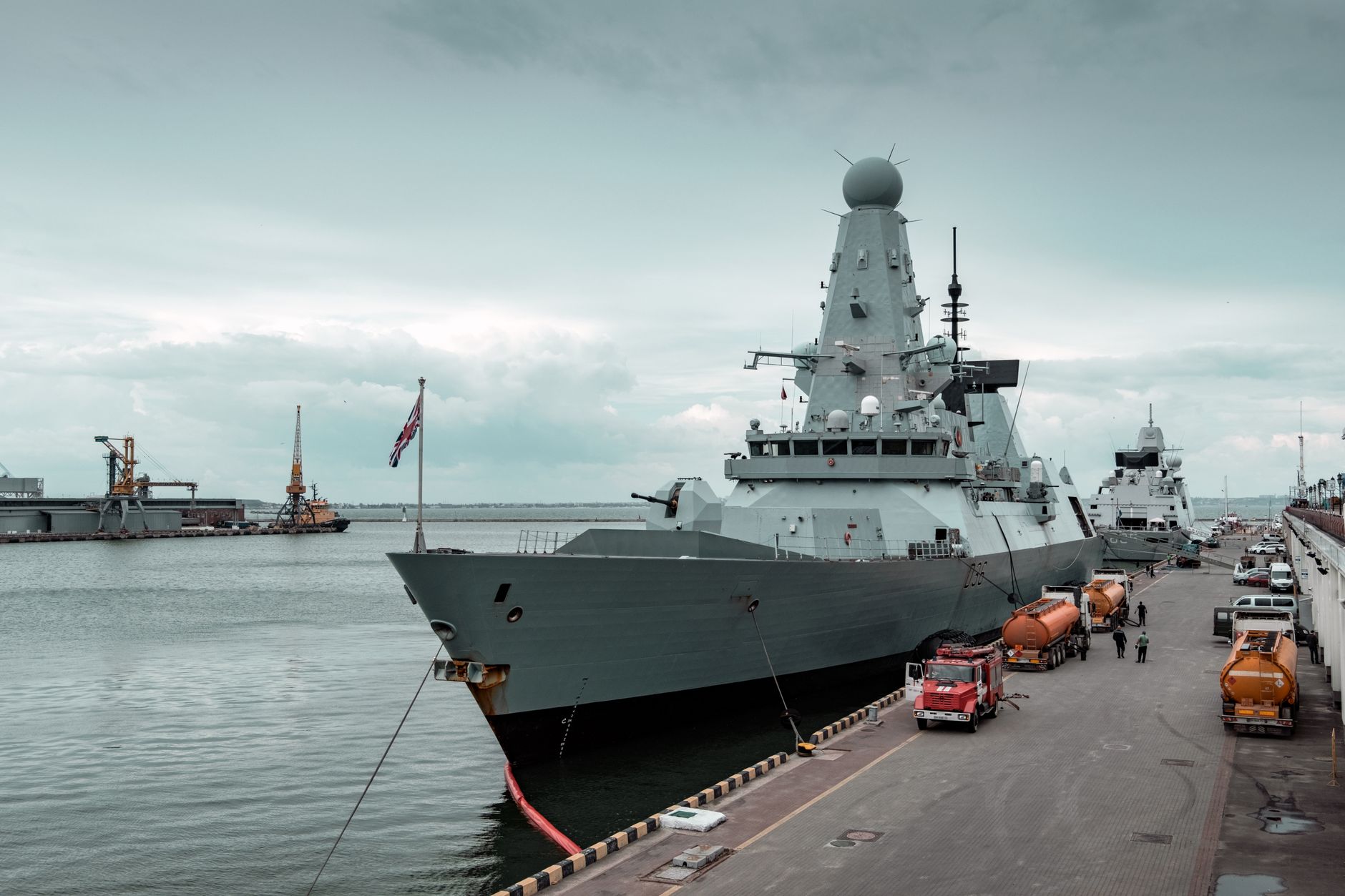
The missile exchange did not occur in isolation from the broader campaign of pressure Iran has been applying to regional shipping. A separate Bloomberg report detailed how an oil tanker appeared to halt in the Strait of Hormuz after Iran targeted vessels in the waterway, a development that compounded anxiety across energy markets already on edge from weeks of escalating incidents. The Strait of Hormuz remains one of the most consequential maritime chokepoints in the world, and any sustained disruption to transit through it carries immediate consequences for global crude supply.
Oil prices moved higher in response to the combined news of the missile intercept and the Hormuz shipping incident, reflecting trader concern that the conflict could interrupt flows from the Persian Gulf. Gold markets have shown similar sensitivity to the crisis, with gold prices rising as investors weighed the inflationary implications of a prolonged West Asia conflict alongside its direct supply-chain risks. Analysts tracking the regional energy architecture have noted that competing alliance structures are already jockeying to reshape Middle Eastern energy relationships should the conflict produce lasting political realignments, adding a longer-term economic dimension to what is currently playing out as a military crisis.

Washington’s Calibrated Posture and What Comes Next
The decision by U.S. officials to soften public threats against Iran even as American forces engaged in active missile defense operations illustrates the tension at the core of Washington’s current strategy. Escalating militarily while moderating diplomatically is a difficult balance to sustain, particularly when the intercept itself constitutes a direct act of force against Iranian weapons. Officials have not confirmed the specific systems used in the intercept, the number of missiles involved, or the precise location of the engagement, leaving key operational details unverified in public reporting.
Israel’s defense industry has continued to advance its own layered air-defense capabilities in parallel with U.S. support. Rafael’s weapons production milestones reflect the broader Israeli defense buildup that underpins the country’s ability to sustain operations under persistent aerial threat. For now, the White House meeting and the public posture of restraint suggest the administration is trying to contain the crisis short of a broader war, but the missile intercept has already moved the conflict into territory that will be difficult to walk back without a credible diplomatic off-ramp — one that neither side has publicly articulated.