Middle East Cargo Disruptions Drive Crude Past the $100 Threshold for First Time in Years
Oil prices breach $100 per barrel as Middle East shipping disruptions tighten global crude supply and rattle energy markets.
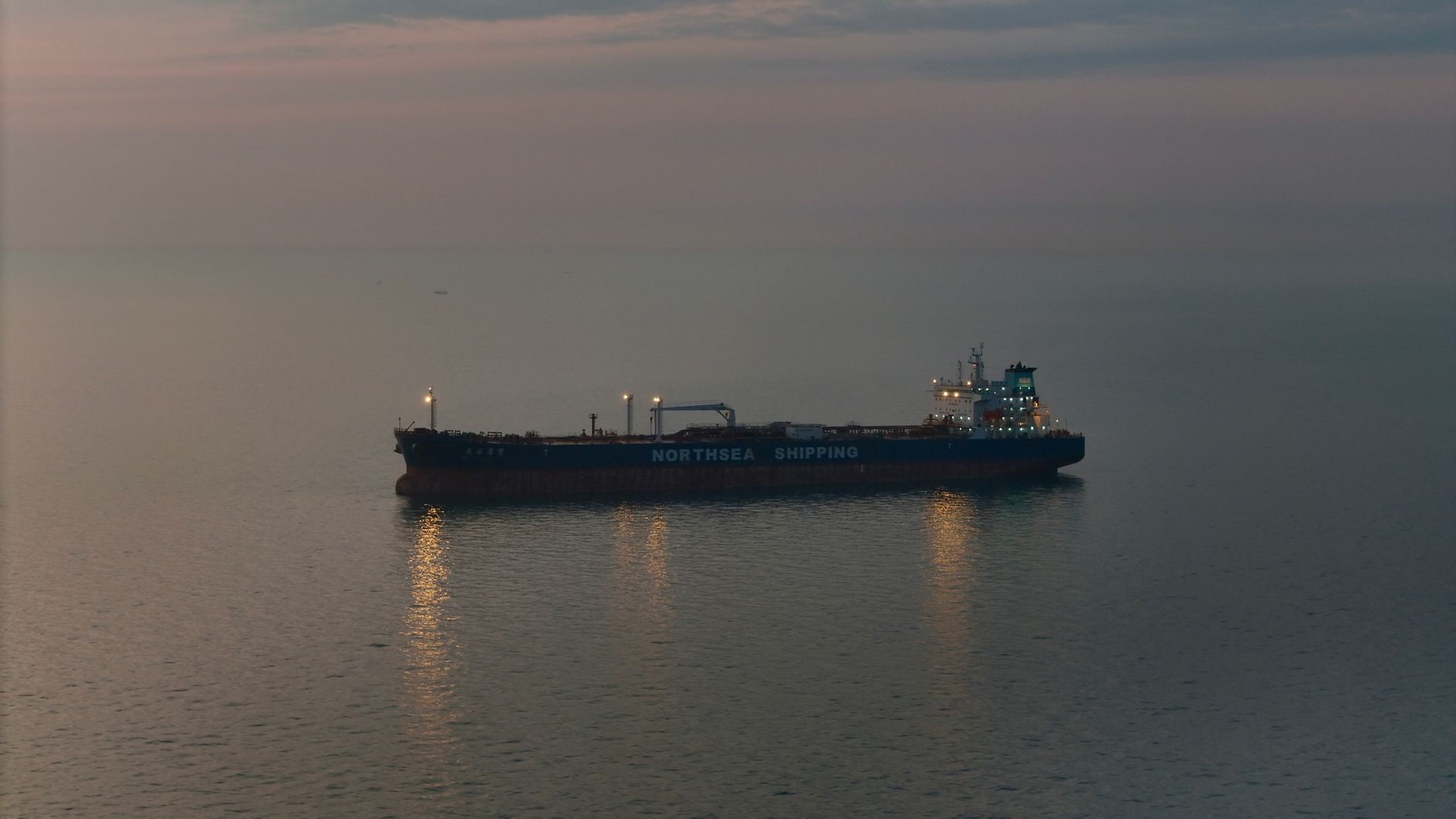
Global crude oil prices have crossed $100 per barrel, a psychologically and economically significant threshold, driven by a tightening of cargo flows out of the Middle East that has rattled energy markets and drawn renewed attention to the region’s chokepoints. According to Forbes reporting by energy analyst Gaurav Sharma, the price surge reflects mounting supply-side pressure as tanker movements through critical regional corridors have become increasingly constrained. The development marks a significant escalation in the energy-security dimensions of ongoing Middle East tensions, with direct implications for importing nations, defense logistics, and global inflation.
The cargo squeeze is not occurring in isolation. It follows a sustained pattern of maritime disruption across the region that has already affected commercial shipping confidence and insurance premiums on routes transiting the Persian Gulf and adjacent waterways. That broader pattern of Red Sea escalation has progressively eroded the reliability of Middle East energy exports since Houthi forces began targeting commercial vessels, and the current price breach appears to represent a cumulative tipping point rather than a single triggering event.
Supply Corridor Pressure and the $100 Signal
The $100 level carries weight beyond its numerical value. For markets, it historically signals a transition from manageable price volatility into territory that meaningfully compresses margins for energy-intensive industries and strains government budget assumptions in importing nations. Sharma’s Forbes analysis frames the current breach as a function of cargo availability rather than a sudden drop in production output — meaning the oil exists, but getting it to market at pace has become the operative constraint. That distinction matters for how policymakers and defense planners assess the durability of the price spike.
When supply disruption is logistics-driven rather than production-driven, it can respond faster to security stabilization — but it can also worsen rapidly if additional chokepoints are threatened. Nations that depend on Middle East crude for military fuel reserves, operational logistics, or allied resupply chains face compounding cost pressures at a moment when defense budgets are already stretched by competing procurement demands. The $100 breach effectively reprices a foundational input across the defense-industrial economy.
Strategic Implications for Energy Security and Defense Planning
The cargo squeeze highlights the degree to which Middle East stability remains a load-bearing pillar of global energy security, despite years of diversification efforts by major importers. Even partial disruptions to tanker scheduling through key corridors are now sufficient to move benchmark crude prices past levels that trigger broader economic consequences — a leverage dynamic that adversarial actors in the region have demonstrated awareness of in their operational calculus. Israel’s ongoing defense posture and budget deliberations, already complicated by elevated Iranian threats, now unfold against an energy backdrop that adds fiscal pressure across the region’s governments simultaneously.
For Western defense establishments, the $100 breach serves as a concrete data point in arguments for accelerating strategic petroleum reserve policies, hardening logistics against price shocks, and investing in longer-range supply chain resilience. Defense departments that lock fuel procurement costs annually will likely absorb the impact with a lag, but allied nations without such hedging mechanisms face near-term operational budget compression. How long the cargo squeeze persists — and whether additional maritime incidents further tighten the corridor — will determine whether $100 crude becomes a sustained planning baseline or a short-term pressure peak that markets eventually arbitrage away.