Red Sea Escalation: Houthis Open New Front Against Saudi Oil Shipping
Houthi forces have begun targeting Saudi oil tankers in the Red Sea, raising alarm over global energy supply chain security.

Houthi forces in Yemen have expanded their maritime campaign to include Saudi-flagged and Saudi-bound oil tankers operating in the Red Sea, a development that carries significant implications for regional energy flows and global crude markets. The shift marks a notable escalation from the group’s prior focus on Israeli-linked and Western commercial shipping, now drawing one of the world’s largest oil exporters directly into the crosshairs of the ongoing campaign. The War Zone first reported the escalation in a detailed assessment of the operational and energy-supply consequences.
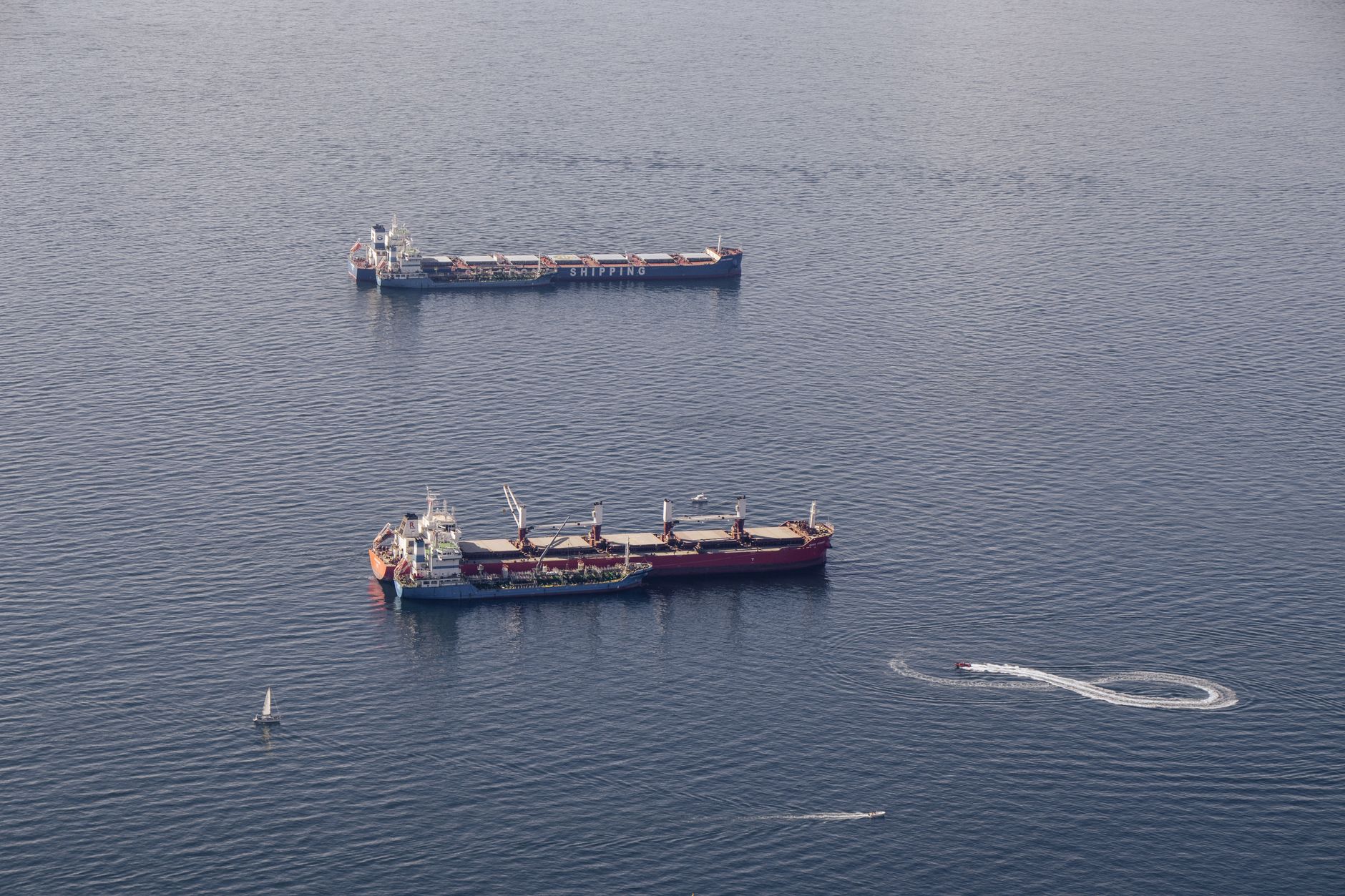
The targeting of Saudi tankers is particularly consequential given Saudi Arabia’s role as the world’s leading oil exporter and a primary supplier to Asian markets, much of whose crude transits the Red Sea and the Bab el-Mandeb strait. Any sustained interdiction of that corridor — even the threat of it — has historically been sufficient to trigger insurance premium spikes and rerouting decisions that add days and cost to global supply chains. As GDD has previously covered, elevated threats tied Iran continue to shape defense postures across the Middle East, and the Houthis’ expanded target set reflects the same broader dynamic of Iranian-backed forces testing the limits of deterrence.
What the Reported Attack Revealed
A social media post circulating in Arabic-language defense and shipping monitoring channels claimed to document Houthi targeting of a Saudi oil tanker, providing early open-source indication of the attack before official confirmation.
Houthi forces have demonstrated a persistent and adaptable maritime interdiction capability throughout their campaign, employing anti-ship ballistic missiles, one-way attack drones, and waterborne uncrewed surface vehicles against commercial and naval targets alike. The extension of that arsenal against Saudi tankers — if confirmed and sustained — would represent a qualitative shift in the group’s strategic ambition, moving from disrupting Western-linked commerce to directly pressuring Riyadh’s economic lifeline. Saudi Arabia and the Houthis remain formal belligerents following years of conflict in Yemen, but attacks on Saudi commercial oil infrastructure at sea would open a new operational dimension to that confrontation.
Energy Supply and Strategic Implications
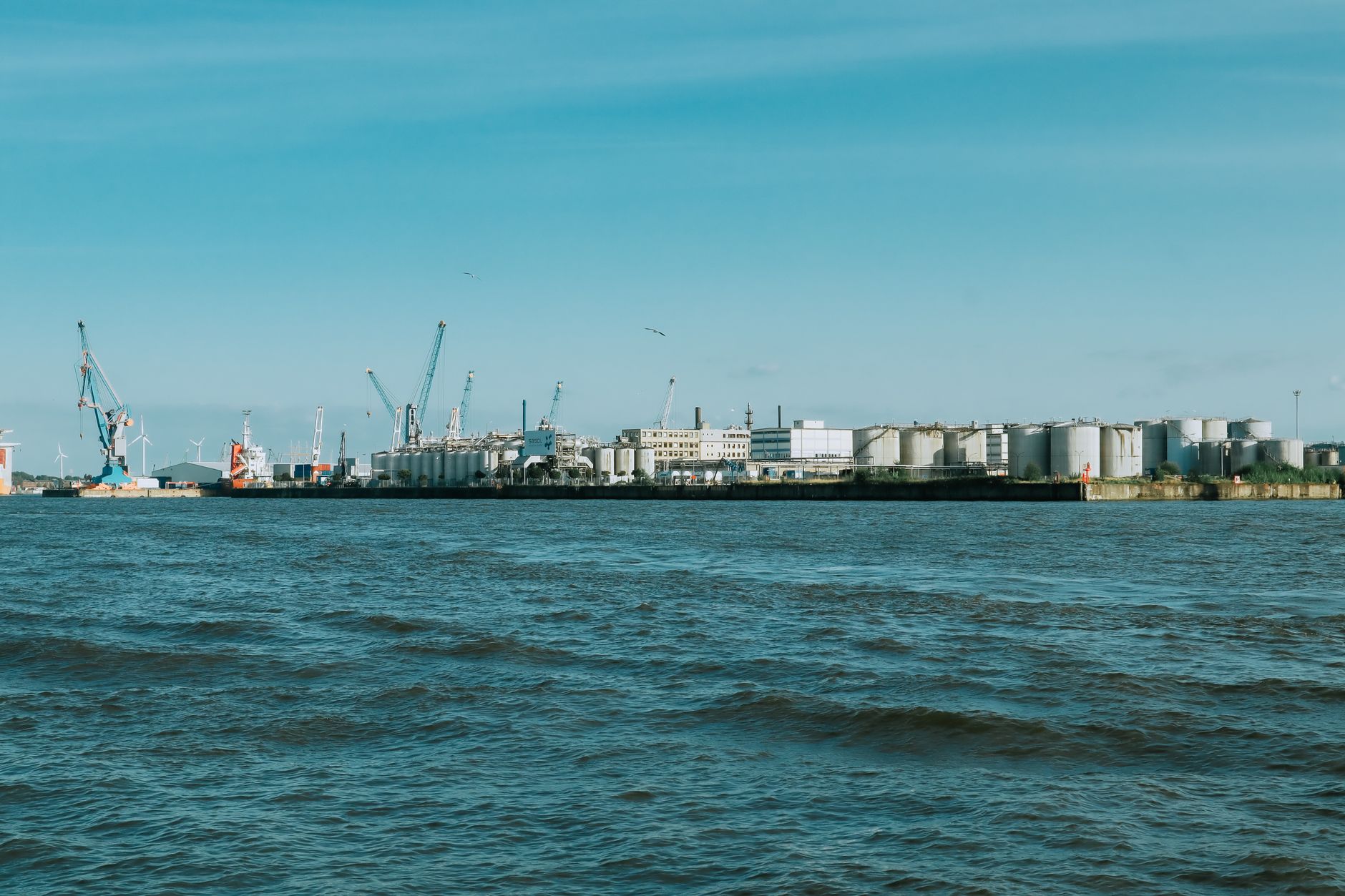
The Red Sea corridor handles a substantial share of globally traded crude oil, and the Bab el-Mandeb strait at its southern end is one of the most consequential maritime chokepoints in the world energy system. Since the Houthis began their broader commercial shipping interdiction campaign following the outbreak of conflict in Gaza in late 2023, numerous major carriers have already diverted vessels around the Cape of Good Hope, adding roughly two weeks of transit time and significantly higher fuel and insurance costs. Saudi tanker targeting would add a new layer of risk calculation for operators and insurers on top of an already-elevated threat environment.
The operational picture also has direct implications for U.S. and partner naval forces still conducting presence and escort operations in the region. As GDD has reported on related unmanned strike integration efforts relevant to maritime patrol, the demand signal for persistent maritime surveillance and rapid-response strike capacity in contested waterways continues to grow. Whether the Saudi tanker attacks represent an isolated incident or the opening of a sustained new campaign remains, for now, unconfirmed — but the strategic logic of the Houthis using oil infrastructure as leverage is consistent with the group’s demonstrated willingness to escalate when it perceives advantage in doing so.