Netherlands-Supplied Ruta Block 1 Cruise Missiles Spotted in Ukrainian Combat Use
Imagery and open-source analysis confirm Ukraine has fielded the Dutch-supplied Ruta Block 1 cruise missile in combat operations.
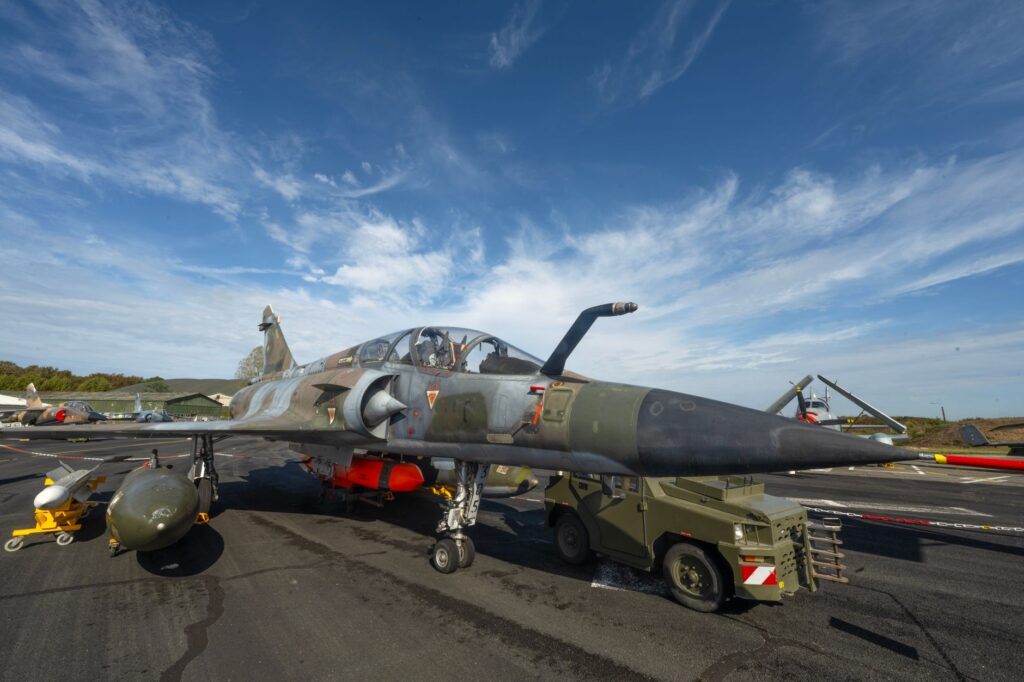
Ukraine appears to have deployed the Dutch-supplied Ruta Block 1 cruise missile in active combat operations, according to visual evidence and open-source analysis first reported by The War Zone. The emergence of this system in the Ukrainian inventory marks a notable addition to Kyiv’s long-range strike portfolio, though many program details remain limited in official disclosures. As European allies continue expanding the layered air defense and strike capabilities flowing to Ukraine, the Ruta Block 1 represents a Dutch contribution that had not been publicly confirmed in operational use until now.
The War Zone’s reporting cited a social media post by the open-source analyst Maks_NAFO_FELLA, which published imagery and analysis identifying the weapon system as the Ruta Block 1 in Ukrainian hands.
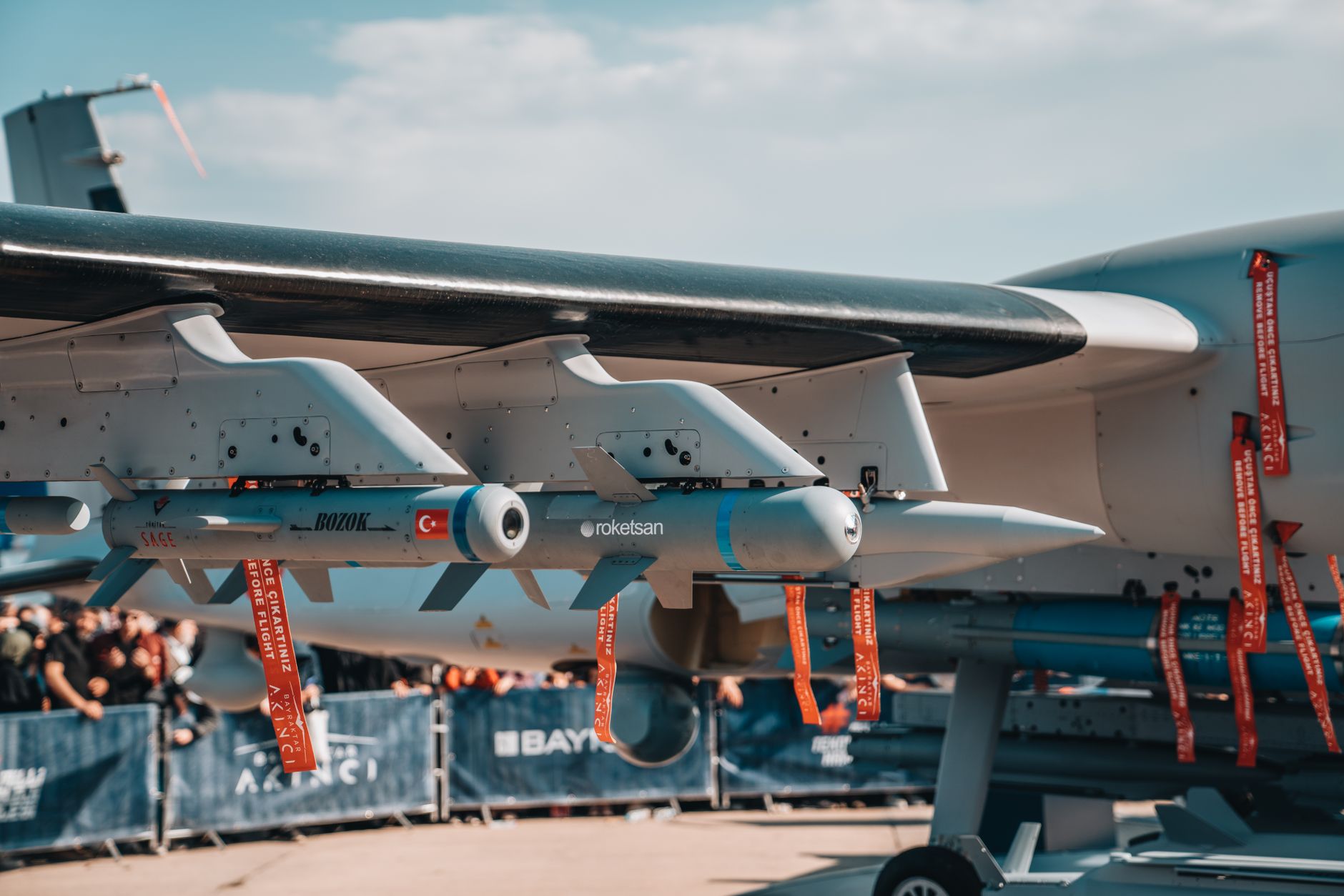
What Is Known About the Ruta Block 1
The Ruta Block 1 is a cruise missile system developed in the Netherlands. Beyond that baseline identification, specific technical parameters — including range, warhead weight, guidance method, and propulsion details — have not been fully detailed in open sources, and officials have not confirmed those specifics publicly. The War Zone’s on the system stops short of providing a comprehensive technical profile, reflecting the limited official information available about this particular program at this stage.
The Netherlands has been among the more active European contributors to Ukraine’s military needs since Russia’s full-scale invasion in February 2022, participating in coalitions supplying air defense components, artillery ammunition, and fighter aircraft. The Ruta Block 1 transfer, if confirmed by Dutch or Ukrainian authorities, would add a precision strike dimension to that contribution. Neither the Dutch Ministry of Defence nor Ukrainian officials had publicly verified the system’s transfer or employment as of the time of the original reporting.
Operational and Strategic Context
The fielding of additional cruise missile variants matters operationally because it complicates Russian air defense planning. Each distinct system carries different flight profiles, radar signatures, and potential ingress routes, meaning Russian operators cannot optimize their layered defenses against a single known threat. Ukraine has already employed a range of Western-supplied and domestically developed cruise and ballistic missiles, and the introduction of yet another platform — particularly one sourced from a NATO ally with its own distinct industrial base — adds another variable to that equation.
The broader trend of European nations supplying progressively more capable strike systems to Ukraine has accelerated over the past year, driven in part by the battlefield demonstration of long-range precision effects and in part by allied assessments that earlier self-imposed restrictions on weapons transfers did not produce the deterrent outcomes intended. The Ruta Block 1’s appearance in the open-source record is consistent with that pattern, even as the specific circumstances of the transfer and any operational outcomes remain unconfirmed. Defense analysts tracking Ukraine’s evolving strike inventory will likely watch for additional imagery or official statements that clarify the system’s role and employment to date. The War Zone noted that the open-source community continues to be a primary driver in surfacing such disclosures before governments formally acknowledge them, a dynamic that has defined much of the intelligence picture around Western weapons in this conflict.