Combat-Tested and Export-Ready: How Israel’s Defense Sector Is Packaging Wartime Innovation for Global Markets
From a naval Iron Dome variant to battlefield AI, Israeli defense firms are converting operational lessons into exportable platforms.
Israel’s defense industry is translating an unusually dense period of operational experience into a new wave of exportable systems, with air-defense variants, artificial intelligence tools, and autonomous platforms among the technologies drawing international interest. The breadth of developments — spanning maritime missile defense, AI-assisted targeting, and drone countermeasures — reflects an industrial sector accelerating product cycles in direct response to lessons from active combat, according to Calcalist Tech. The trend carries implications well beyond Israel’s borders, as allied nations reassess their own layered-defense requirements. That urgency is also visible in procurement decisions abroad, including $4 billion commitment to a layered air-defense package built around Israeli-developed systems.
The pace of development reflects an industrial logic particular to Israel: systems are fielded, stressed under real operational conditions, and then refined for a second generation that can be offered internationally. That cycle, which has historically applied to ground-based interceptors and intelligence software, is now extending into maritime and AI domains.
Iron Dome Moves to Sea
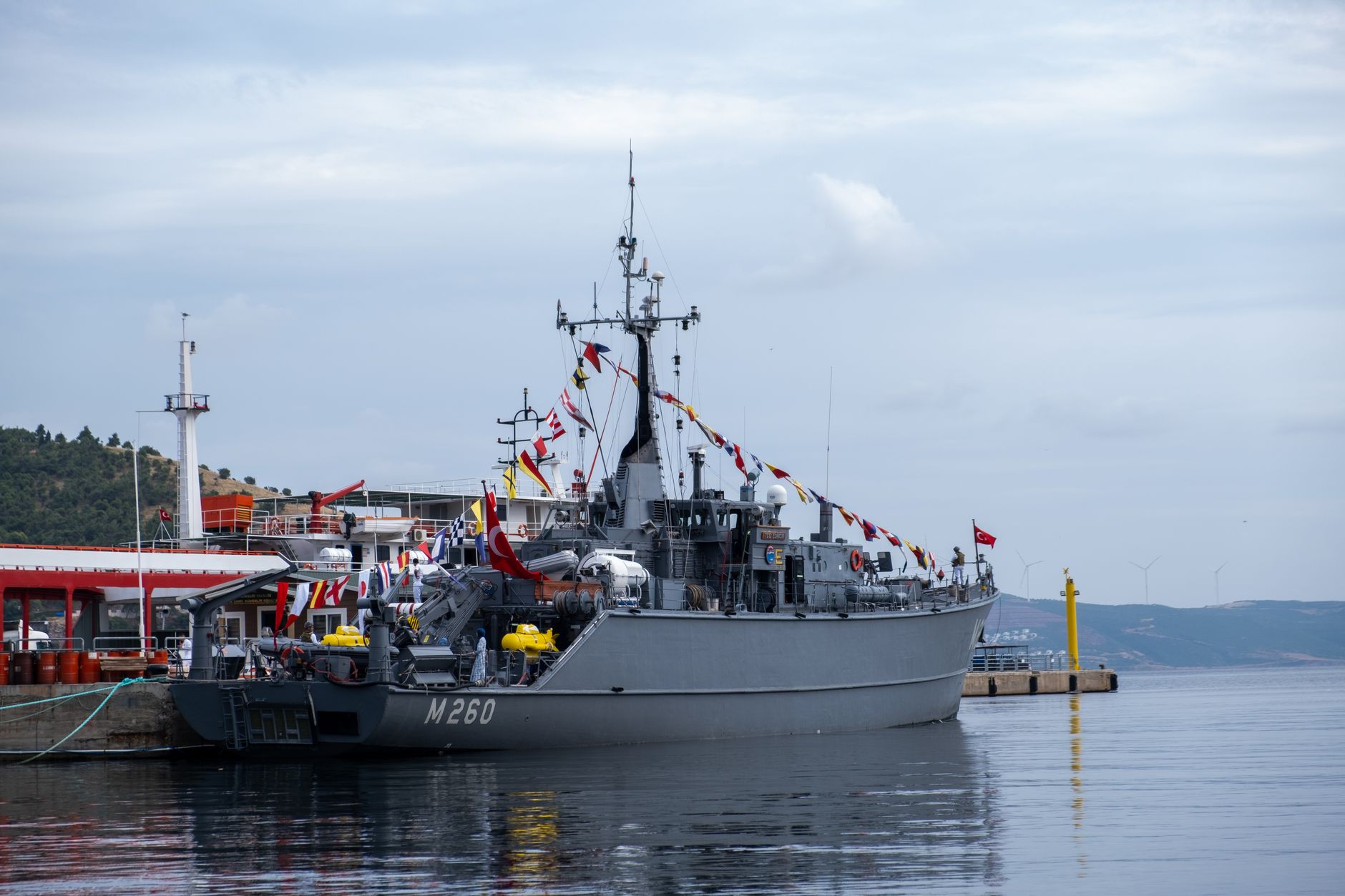
One of the more significant engineering milestones reported this week is the development of a shipborne variant of the Iron Dome air-defense system. The naval configuration is designed to defend vessels against the same low-cost rocket, drone, and cruise-missile threats that land-based batteries have engaged extensively in recent years. Officials have not confirmed a production contract or a named customer for the maritime version, but the system’s emergence underscores how threat patterns in littoral and coastal environments — particularly in the Red Sea — are shaping new requirements for naval close-in defense.
The relevance of that threat environment is difficult to overstate. Houthi operations in the Red Sea have demonstrated that commercial and naval vessels alike face credible, sustained missile and drone attack at ranges and volumes that conventional close-in weapons systems were not optimized to handle. A proven intercept pedigree from the land-based Iron Dome provides a marketing foundation that competing naval air-defense offerings generally lack. Details on the naval system’s weight, radar integration, or magazine capacity were not disclosed in reporting this week.
AI Integration and the Broader Technology Pipeline
Beyond kinetic interceptors, Israeli defense firms are developing AI-assisted tools intended to accelerate targeting decisions, fuse sensor data across domains, and manage drone swarms — both offensively and defensively. The underlying argument from industry is that the operational tempo of recent conflicts has exposed the cognitive limits of human-only decision chains, making machine-assisted processing not a futuristic addition but a near-term operational requirement. Specific company names, contract values, and system designations tied to these AI programs were not detailed in the source reporting this week.

The AI development push connects to a broader defense-budget dynamic that has drawn significant attention domestically. The defense budget dispute, set against elevated threats from Iran, has created internal pressure to maximize the return on research and development spending — partly by structuring new programs with export potential built in from the design phase rather than retrofitted later. Industry representatives have pointed to foreign military sales as a mechanism for sustaining production lines and funding next-generation development even when domestic procurement cycles slow.
Taken together, the maritime Iron Dome variant, AI warfare tools, and autonomous counter-drone platforms represent a coherent industrial response to a specific operational environment. Whether international customers move quickly enough to convert that interest into signed agreements will depend heavily on budget cycles, interoperability requirements, and the political dynamics of arms-transfer approvals in each market. For now, the pipeline exists — and the operational validation behind it is recent enough to carry real weight in foreign defense ministries evaluating their options.