US Escalates Iran Tensions with New Strikes Following Oil Sanctions Over Shipping Attacks
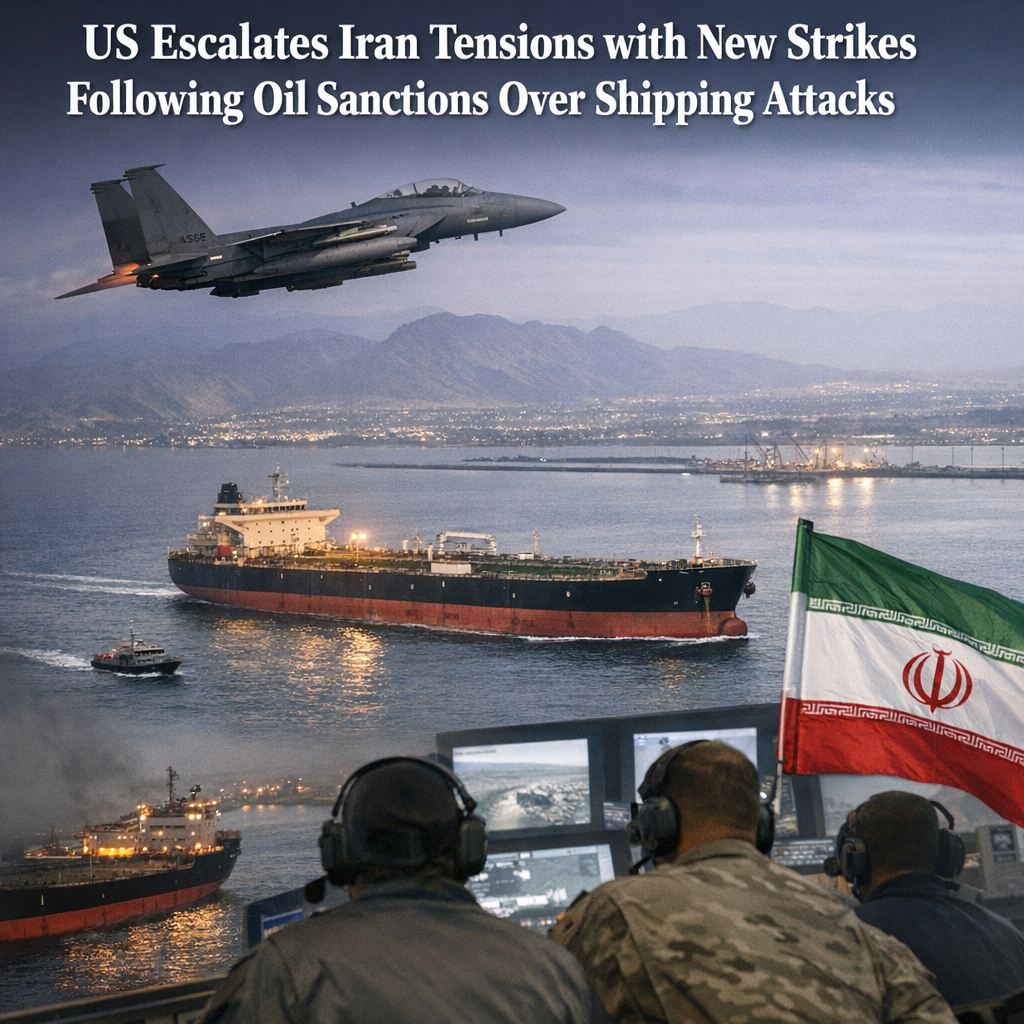
The United States has carried out a new series of military strikes against Iranian-linked targets, marking a significant escalation following Washington’s decision to reinstate oil sanctions in response to recent attacks on commercial shipping. The development, first reported by Military Times in its article “US launches new strikes on Iran after reinstating oil sanctions over shipping attacks,” underscores the deepening tensions between the two countries and raises concerns about broader regional instability.
According to U.S. officials cited in the Military Times report, the strikes were aimed at facilities and assets believed to be connected to Iran’s military infrastructure and its network of proxy forces. The operations were described as targeted and limited in scope, intended to degrade capabilities linked to recent maritime disruptions rather than to provoke a wider conflict. Nonetheless, the choice to resume direct military action reflects a sharpening U.S. posture after a period of relative restraint.
The strikes follow Washington’s announcement that it would reimpose stringent oil sanctions on Tehran, reversing earlier measures that had allowed limited exports under tightly controlled conditions. The policy shift came after a string of incidents in key shipping lanes, where vessels were attacked or harassed in ways U.S. officials have attributed to Iran or its allied groups. These waterways are critical to global energy supplies, and disruptions have triggered concern among allies and markets alike, particularly in routes like the Strait of Hormuz.
Pentagon officials have framed the military action as a defensive response aimed at protecting freedom of navigation and deterring further aggression. They emphasized that the United States is not seeking a broader war but will act to safeguard international commerce and its personnel in the region. At the same time, officials acknowledged the inherent risks of escalation, particularly given Iran’s capacity to respond indirectly through regional proxies, a strategy frequently analyzed by the Council on Foreign Relations.
Tehran has condemned both the renewed sanctions and the strikes, characterizing them as violations of its sovereignty and international law. Iranian leaders have denied direct involvement in the shipping attacks cited by Washington and have warned that continued U.S. pressure could provoke retaliation. In past confrontations, Iran has relied on asymmetric tactics, including cyber operations and proxy engagements, complicating efforts to contain hostilities, as noted in assessments by RAND Corporation.
The renewed tensions come at a time when diplomatic channels between the two sides remain limited. Efforts to revive broader negotiations over Iran’s nuclear program and regional behavior have stalled, leaving military signaling and economic pressure as the primary tools of U.S. policy, despite ongoing reference to frameworks like the IAEA’s monitoring of Iran’s nuclear activities. Analysts note that this dynamic increases the likelihood of miscalculation, particularly in congested maritime environments where encounters can quickly spiral.
Allies in Europe and the Middle East have reacted cautiously, urging restraint while expressing concern about the cumulative impact of sanctions and military activity. Some governments have emphasized the need for renewed diplomatic engagement to prevent a slide into open conflict, while others have supported the U.S. position on protecting maritime security, echoing statements reported by Reuters on regional tensions.
The situation remains fluid, with U.S. forces in the region reportedly on heightened alert for potential reprisals. Military planners are preparing for a range of contingencies, including further attacks on commercial shipping or attempts to target American personnel and installations. For now, the strikes signal a willingness by Washington to enforce its red lines more aggressively, even as the path to de-escalation remains uncertain.