U.S. Navy Advances Next-Generation Radar Killing Missiles to Counter Evolving Air Defense Threats
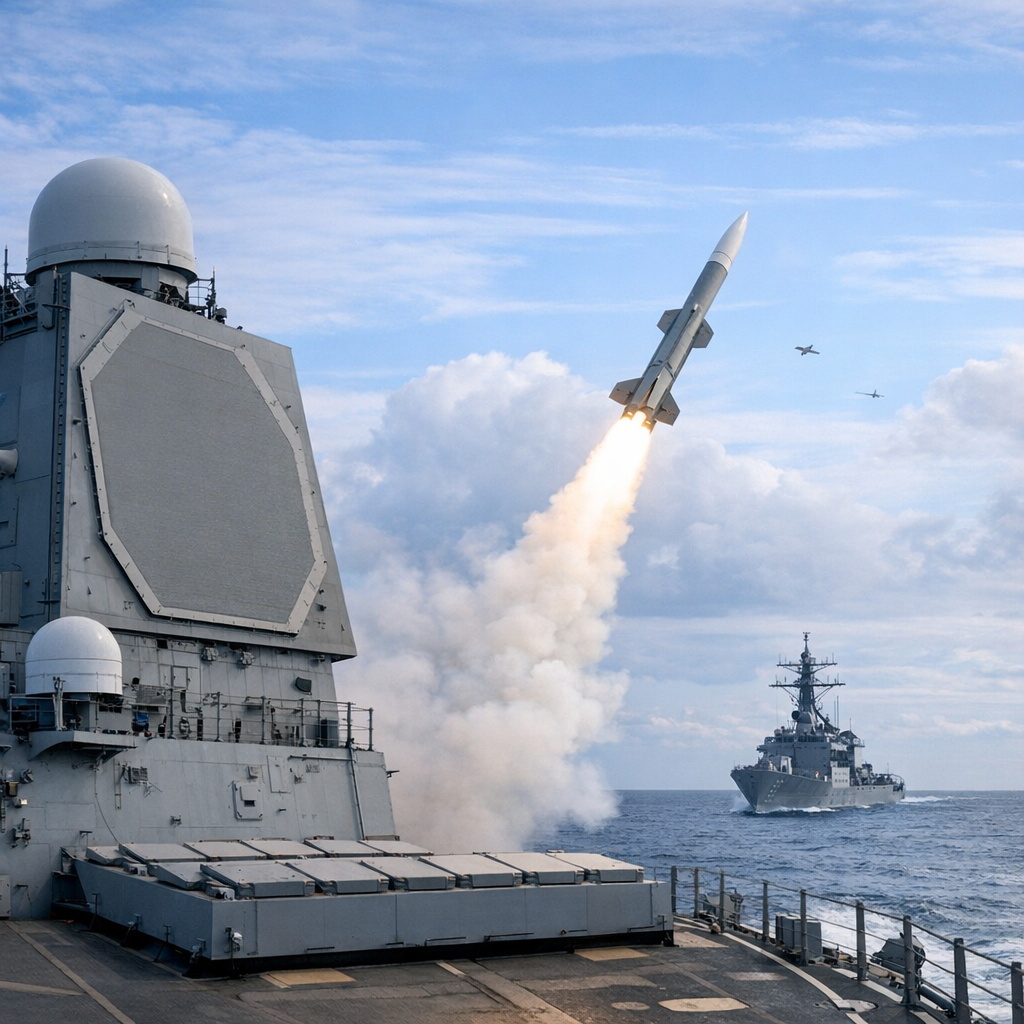
The U.S. Navy is moving forward with plans to develop a new generation of missiles designed specifically to neutralize enemy radar systems, reflecting rising concern over increasingly sophisticated air defense networks fielded by near-peer adversaries. The effort, outlined in a recent report by DefenseScoop titled “Navy seeks new ‘radar-killer’ missiles,” signals a renewed focus on electronic warfare and suppression of enemy air defenses as central components of future conflict.
According to the DefenseScoop report, the Navy is exploring options for advanced anti-radiation weapons capable of detecting, targeting, and destroying hostile radar emitters with greater precision and survivability than current systems. These so-called “radar-killer” missiles are intended to blind adversary defenses, opening corridors for U.S. aircraft and strike platforms to operate more freely in contested environments.
The initiative comes as potential adversaries continue to invest heavily in integrated air defense systems that combine long-range radar, mobile missile launchers, and sophisticated tracking capabilities. Such defenses pose a growing threat to both crewed and uncrewed U.S. aircraft, particularly in regions where access could be contested in the early stages of a conflict.
Officials cited in the DefenseScoop article emphasized that existing anti-radiation missiles, while effective, are increasingly challenged by modern tactics such as frequent radar shutdowns, rapid relocation of emitters, and the use of decoys. The Navy’s next-generation solution aims to address these challenges through enhanced seeker technology, improved targeting algorithms, and potentially greater autonomy, allowing missiles to adapt in real time to evasive enemy behavior. Current systems like the AGM-88 HARM missile illustrate both the effectiveness and evolving limitations of such weapons.
The effort also reflects a broader shift toward distributed and networked warfare, in which sensors and weapons operate as part of a coordinated system rather than in isolation. Future “radar-killer” missiles could be integrated with other platforms—including unmanned systems and electronic warfare aircraft—to create a layered approach to suppressing enemy defenses.
While specific program details, timelines, and funding levels remain unclear, the Navy’s interest in accelerating development underscores a sense of urgency. Military planners increasingly view the ability to disable enemy radar quickly and reliably as a prerequisite for success in high-end conflict scenarios, particularly in the Indo-Pacific region and other strategically sensitive areas.
Industry participation is expected to play a significant role as the Navy refines its requirements and evaluates competing technologies. Defense contractors with experience in missile systems, electronic warfare, and advanced sensors are likely to be key contributors to the program’s development.
As highlighted in DefenseScoop’s reporting, the push for new anti-radar capabilities is not merely an incremental upgrade but part of a broader effort to ensure U.S. forces can operate effectively against advanced, adaptive defenses. The outcome of this effort could shape the balance between offensive strike capabilities and defensive countermeasures in future conflicts.