Air Force Finds Pilot Error Caused Skyraider II Crash After In-Flight Fuel Shutoff
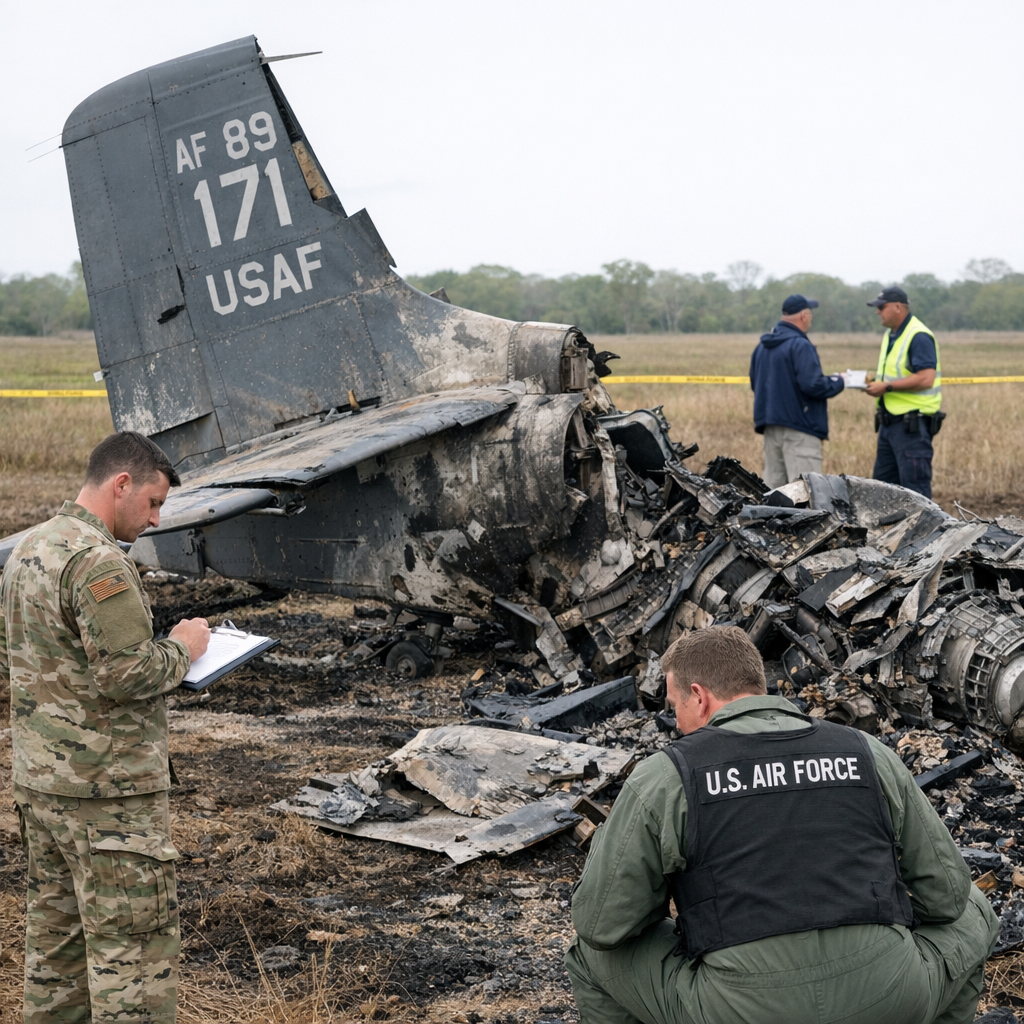
A U.S. Air Force investigation has concluded that pilot error led to the October 2025 crash of a Skyraider II aircraft, determining that the aircraft’s fuel supply was inadvertently shut off during flight, according to findings reported by Military Times.
The report, detailed in the Military Times article titled “Pilot shut off fuel supply leading to October 2025 Skyraider II crash, Air Force finds,” attributes the loss of the aircraft to a critical in-flight action that deprived the engine of fuel, ultimately causing a loss of power from which the pilot could not recover. The incident underscores the continuing challenges of cockpit management and procedural discipline, even in modern military aviation environments equipped with advanced systems and safeguards.
Investigators found no evidence of mechanical failure or systemic malfunction that might have contributed to the crash. Instead, the Air Force concluded that the shutdown of the fuel supply—whether due to misidentification of controls, breakdown in checklist adherence, or task saturation—set off a chain of events that culminated in the aircraft’s destruction. The report emphasizes that once the engine lost power at the altitude and conditions present at the time, recovery options were extremely limited.
While the investigation focuses on the pilot’s actions, it also reflects broader institutional concerns about training, cockpit design, and human factors in aviation. Accident reports of this nature often prompt reviews of how critical controls are configured and labeled, as well as how pilots are trained to handle both routine operations and unexpected situations under pressure. Even highly trained aviators can be vulnerable to errors when faced with high workload or ambiguous cues, as highlighted in studies from organizations like NASA’s Human Factors division.
The Air Force has not publicly detailed whether changes to procedures, training protocols, or aircraft systems will follow, but such findings typically lead to internal reassessments aimed at reducing the likelihood of recurrence. These may include reinforced checklist discipline, simulator scenarios that replicate similar conditions, or ergonomic modifications to cockpit layouts to prevent inadvertent activation of critical controls, in line with safety practices encouraged by agencies like the National Transportation Safety Board.
The U.S. Air Force Skyraider II, a platform designed for specialized mission profiles, represents a blend of modern technology and mission adaptability. Incidents involving such aircraft carry implications not only for operational safety but also for confidence in the systems and training frameworks that support their deployment.
The findings place the crash within a familiar pattern in aviation safety analysis, where human factors remain a leading contributor to accidents despite decades of technological advancement, a trend also documented in broader research shared by the Skybrary Aviation Safety Knowledge Base. The Air Force’s conclusions serve as a reminder that even as aircraft become more capable, the margin for human error, particularly in high-stakes environments, remains a central concern for military aviation.