Blue Origin Rocket Explosion Shakes Development Plan
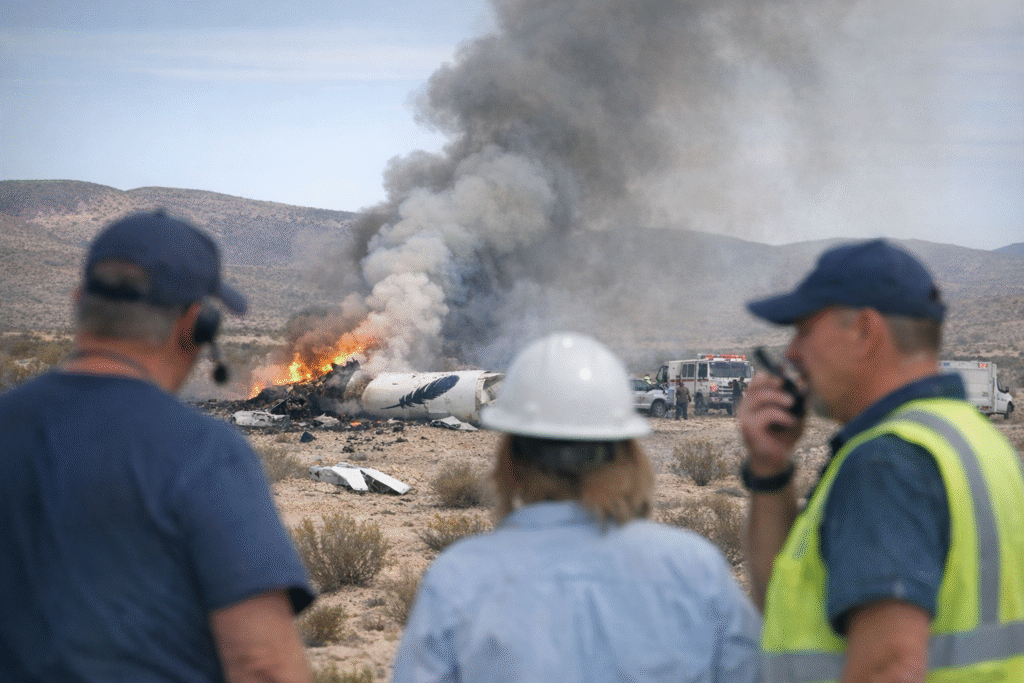
A rocket under development by Jeff Bezos’s Blue Origin suffered a catastrophic failure during testing, marking one of the most serious setbacks for the private space company in recent years and underscoring the risks inherent in the increasingly competitive commercial launch sector.
According to reporting by The Wall Street Journal in its article “Blue Origin’s Rocket Explodes During Launch,” the incident occurred during a test of the company’s next-generation launch vehicle, a critical component of Blue Origin’s ambitions to compete more directly with rivals such as SpaceX and United Launch Alliance. The explosion destroyed the rocket before it could complete its intended flight profile, dealing a blow to the program’s timeline and raising fresh questions about the pace of the company’s technological progress.
Blue Origin, founded by Bezos in 2000, has spent years developing reusable rocket systems designed to lower the cost of access to space. While the company has achieved success with its suborbital New Shepard vehicle, it has faced delays and technical hurdles with its larger orbital rocket, which is intended to carry satellites and other payloads into orbit.
The failed test highlights the technical complexity of scaling up rocket systems from suborbital to orbital capabilities. Larger rockets require more powerful engines, more complex staging, and higher tolerances for structural and thermal stress. Industry analysts note that such failures, while costly, are not uncommon in the development phase and can provide valuable data for future improvements.
Still, the timing is significant. Blue Origin has been seeking to accelerate its launch schedule amid intensifying competition in the commercial space industry. SpaceX continues to dominate the market with frequent launches and a proven reusable rocket system, while other players are racing to secure government and commercial contracts. Any prolonged delay in Blue Origin’s development program could affect its ability to win key business and maintain strategic relevance.
The company has not publicly detailed the precise cause of the explosion, but investigations are expected to focus on engine performance, fuel systems, and structural integrity. Such reviews typically involve both internal engineering teams and regulatory oversight, particularly if the test was conducted under a federal license.
Despite the setback, industry observers caution against drawing long-term conclusions from a single test failure. Rocket development has historically involved multiple high-profile mishaps before achieving operational reliability. Companies often iterate rapidly after failures, incorporating lessons learned into subsequent designs.
For Blue Origin, the incident represents both a technical challenge and a reputational test. The company has positioned itself as a major player in the future of space transportation, and its ability to recover from the explosion and resume progress will be closely watched by customers, competitors, and regulators alike.
The broader commercial space industry, meanwhile, continues to expand, driven by demand for satellite deployment, scientific missions, and potential future human spaceflight. Setbacks such as this one serve as a reminder that even as private companies push the boundaries of space technology, the path forward remains fraught with risk.