Iran Nuclear Talks Stall Over Sanctions Rift
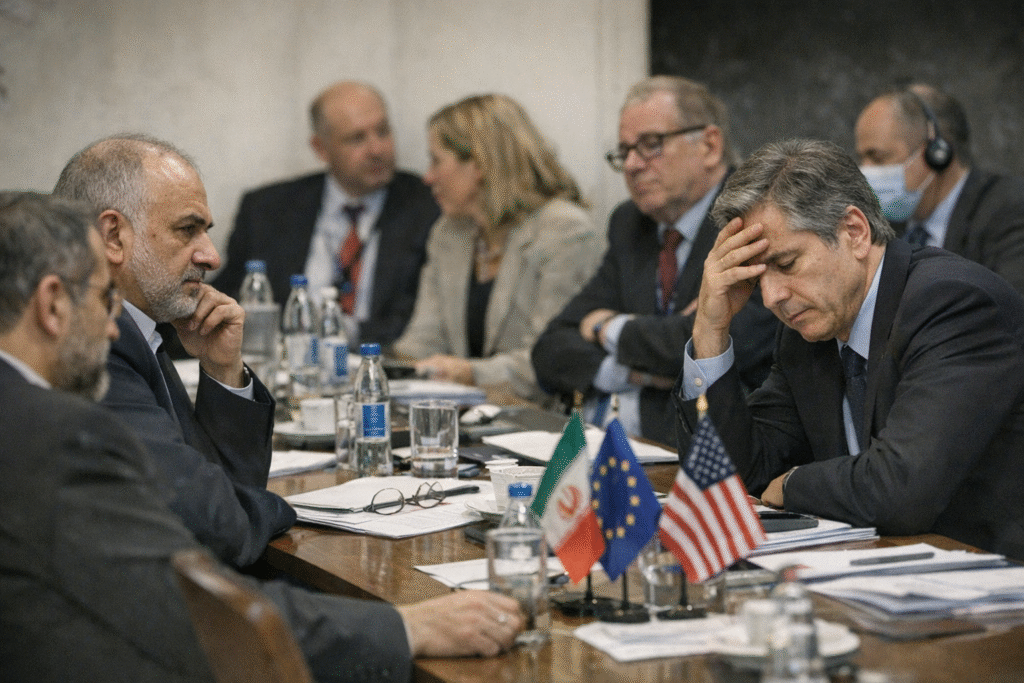
Talks aimed at reviving limits on Iran’s nuclear program have stalled amid widening gaps over sanctions relief and verification measures, according to diplomats involved in the negotiations, underscoring the difficulty of restoring a framework that has frayed over years of mistrust.
The impasse, described in The Wall Street Journal article “Iran Talks Bog Down Over Nuclear Program, Sanctions Relief,” reflects deep disagreements between Tehran and Western governments over the sequence and scope of concessions. U.S. and European officials are pressing for tighter monitoring and clearer commitments from Iran to curb its nuclear activities, while Iranian negotiators are demanding more comprehensive and durable sanctions relief before scaling back enrichment.
At the center of the dispute is how to balance Iran’s demand for economic normalization with Western concerns about the pace of its nuclear advances. Iran has significantly expanded its uranium enrichment capabilities in recent years, reducing the time it would need to produce weapons-grade material if it chose to do so. Officials in Washington and European capitals argue that any agreement must meaningfully roll back those advances and restore intrusive inspections.
Iranian leaders, for their part, have expressed skepticism about the reliability of Western commitments, citing the U.S. withdrawal from the 2015 nuclear agreement and the reimposition of sanctions. Negotiators from Tehran are seeking guarantees that any new deal would shield their economy from future policy reversals, a condition Western governments say they cannot fully meet within their political systems.
The stalemate has also been shaped by geopolitical tensions beyond the nuclear file. Regional rivalries, concerns over Iran’s support for allied militias, and shifting global alliances have all complicated efforts to reach a compromise. Officials familiar with the talks say these broader issues, while not always formally part of the negotiations, influence the positions each side is willing to take.
Diplomats have indicated that while channels of communication remain open, momentum has waned. Interim arrangements or partial agreements have been floated as possible ways to prevent further escalation, but these too face resistance from both sides, which fear appearing to concede too much without securing lasting benefits.
Analysts warn that the longer negotiations remain unresolved, the more difficult it will become to reconstruct a comprehensive agreement. Iran’s nuclear program continues to advance technically, while political pressures in Washington, Tehran, and European capitals narrow the space for compromise.
Despite the current deadlock, officials have not ruled out renewed diplomatic efforts. However, as highlighted by The Wall Street Journal’s reporting, the fundamental divide over sequencing, trust, and enforcement suggests that any breakthrough will require significant political will that is not yet evident.