A-10 Retirement Raises CSAR Capability Concerns
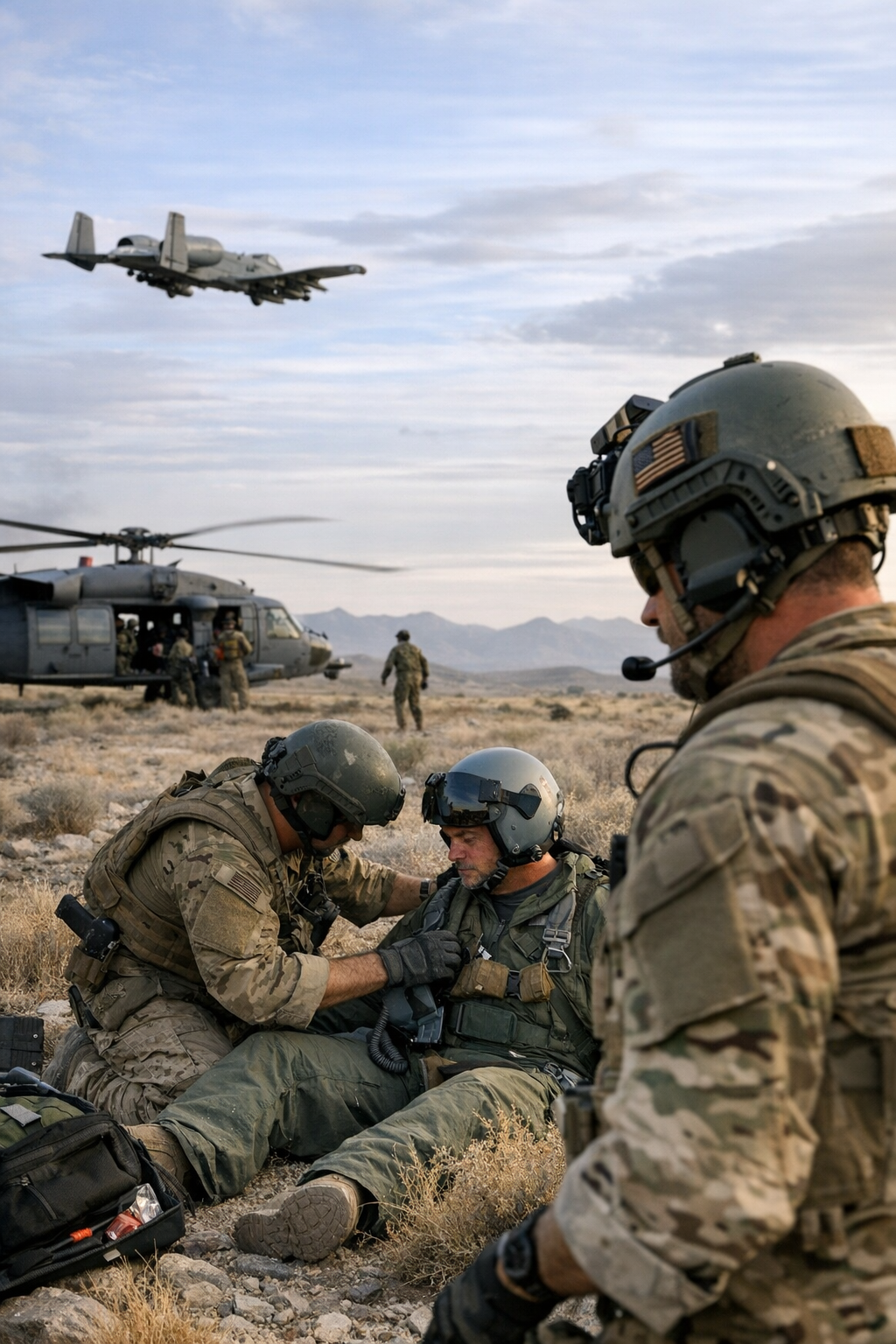
The U.S. Air Force is facing mounting uncertainty over the future of its combat search and rescue (CSAR) mission as it prepares to retire the A-10 Warthog, a platform long regarded as central to protecting downed aircrews in hostile territory. According to a recent report by Defense News titled “Combat search and rescues’ uncertain future: As A-10s phase out, US Air Force faces questions of what comes next,” military leaders and analysts are increasingly questioning whether a suitable replacement exists for the aircraft’s unique role.
For decades, the A-10 has been a cornerstone of CSAR operations, valued for its ability to loiter over contested areas, absorb damage, and provide precise close air support for rescue teams. Its relatively slow speed and heavy armor have made it especially effective in high-risk environments where helicopters and rescue personnel are most vulnerable. As the Air Force continues its push to divest the aging fleet, however, no single aircraft appears poised to fully replicate these capabilities.
Air Force officials have pointed to a mix of platforms, including the F-35 and other advanced fighters, as potential contributors to future CSAR missions. Yet critics argue that these aircraft, optimized for stealth and high-end conflict, lack the endurance and specialized design features that have made the A-10 so effective in rescue scenarios. Concerns also persist about cost efficiency and the practicality of deploying high-value assets in situations traditionally handled by more rugged, purpose-built aircraft.
The uncertainty comes amid broader shifts in U.S. military strategy, with increasing emphasis on peer-to-peer conflict and contested environments in the Indo-Pacific region. In such scenarios, the risks associated with recovering downed personnel could be significantly higher, placing additional pressure on the Air Force to ensure it retains credible rescue capabilities. Lawmakers and defense experts have warned that failing to maintain a robust CSAR framework could weaken both operational effectiveness and morale among deployed forces.
As the A-10 phase-out progresses, the Air Force faces difficult decisions about how to balance modernization priorities with mission continuity. While investments in new technologies and multi-role platforms may offer some solutions, the question remains whether they can fully replace the specialized function the A-10 has provided for decades. The debate underscores a broader tension within the service as it adapts to evolving threats while attempting to preserve critical legacy capabilities.