Iran Refines Nuclear Strategy with Uranium Stockpile
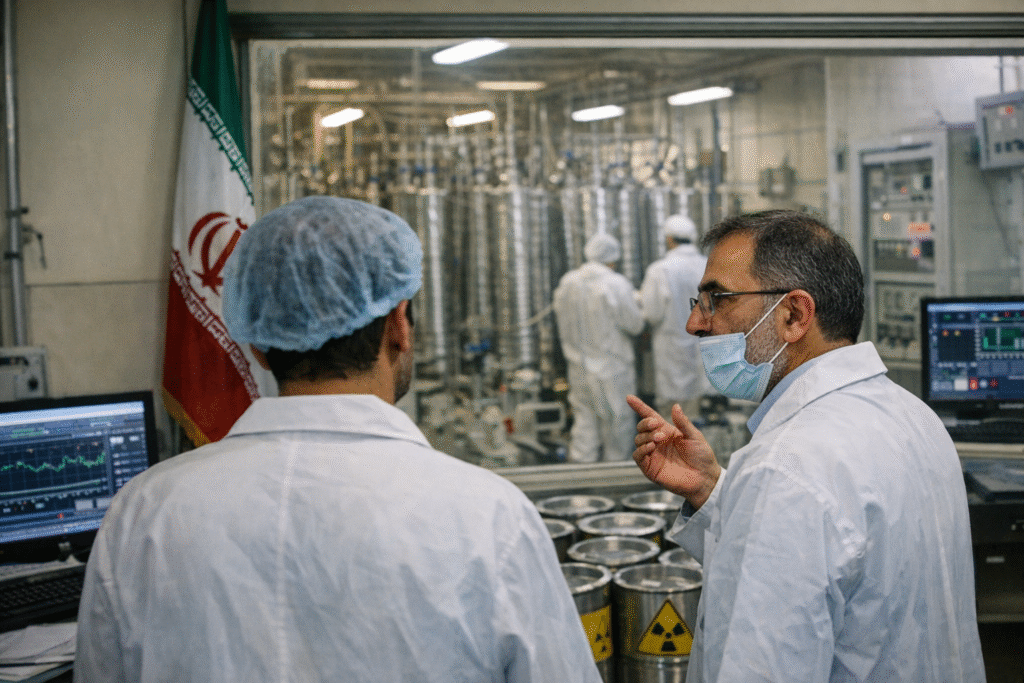
Iran’s nuclear strategy is increasingly centered on the accumulation and positioning of enriched uranium, a shift that is raising fresh concerns among Western policymakers and nonproliferation experts. According to reporting in “Iran’s Uranium Stockpile Strategy” published by The Wall Street Journal, Tehran appears to be refining its approach by building a stockpile that could shorten the timeline for developing a nuclear weapon, while remaining below thresholds that would trigger a more forceful international response.
The report describes how Iran has expanded its reserves of highly enriched uranium and improved its technical capability to process and store nuclear material. Rather than making an overt dash toward weaponization, the strategy appears calibrated to enhance leverage in diplomatic negotiations while maintaining a degree of ambiguity about its ultimate intentions. This approach allows Iranian authorities to signal capability without crossing clear red lines that might prompt direct military action.
Analysts cited in the Wall Street Journal article suggest that this incremental buildup is designed to create a form of strategic deterrence. By reducing the “breakout time” required to produce weapons-grade material, Iran gains negotiating power in its dealings with the United States and other global actors. At the same time, this tactic complicates international monitoring efforts, as inspectors face growing challenges in accounting for dispersed and increasingly sophisticated stockpiles.
The development comes amid stalled diplomatic efforts to revive agreements limiting Iran’s nuclear activities. While earlier frameworks sought to cap enrichment levels and stockpile sizes, the current trajectory indicates that Tehran is less constrained and more willing to test the boundaries of those past commitments. The result is a more fluid and uncertain nuclear landscape in which traditional indicators of escalation are harder to interpret.
Western officials are reportedly weighing how to respond, balancing economic pressure, diplomatic engagement, and the risk of escalation. The Wall Street Journal notes that Iran’s evolving posture may be intended not only to deter adversaries but also to hedge against internal and regional uncertainties. By maintaining a near-threshold capability, Iran positions itself to respond quickly to changing geopolitical conditions.
This strategy underscores a broader shift in nuclear dynamics, where technological advances and geopolitical tensions are reshaping how states pursue deterrence. Iran’s calculated accumulation of enriched uranium reflects a nuanced approach that prioritizes flexibility and leverage over immediate confrontation, leaving the international community grappling with how best to respond.