Speculation Grows Over Tech in Airman Rescue
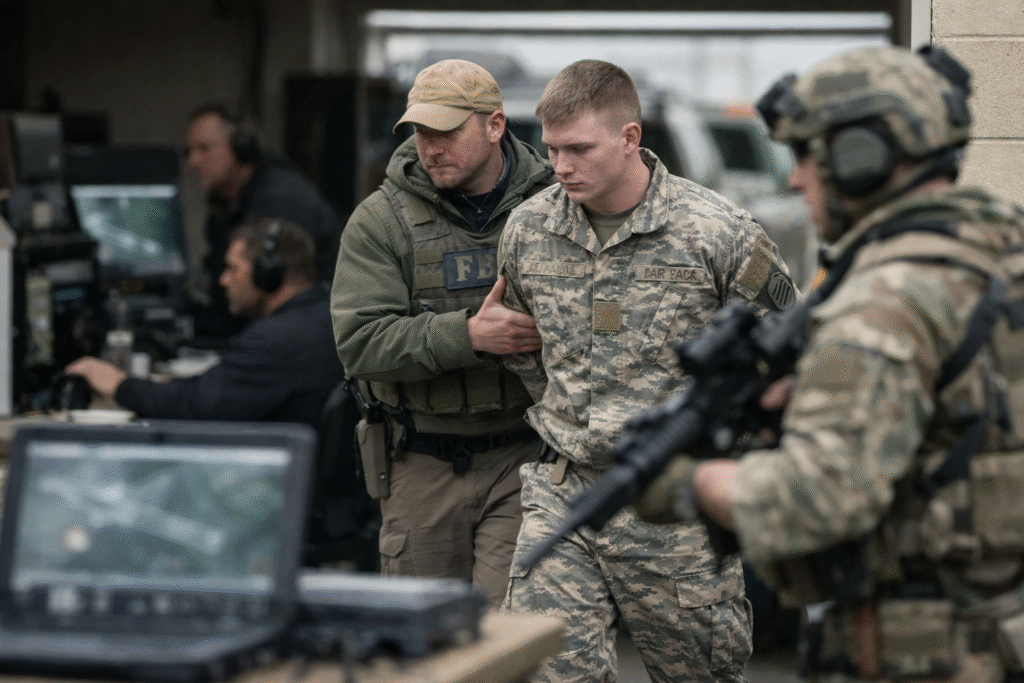
Questions are being raised over whether advanced surveillance capabilities played a role in locating a missing U.S. airman, following reporting by The Daily Wire in an article titled “Did CIA Use Covert Tech To Find Lost Airman.”
According to that report, speculation has emerged that undisclosed intelligence tools may have contributed to the eventual discovery of the service member after a high-profile search effort. While official accounts have emphasized traditional search-and-rescue methods, the circumstances surrounding the rapid location of the airman have prompted debate among observers familiar with U.S. intelligence capabilities.
Defense officials have not confirmed the use of any covert technology, and public statements to date maintain that standard procedures were employed. However, the notion that classified systems—potentially including advanced signal tracking or geospatial intelligence platforms—could have been leveraged is consistent with capabilities long attributed to U.S. intelligence agencies.
Former military and intelligence personnel noted that in urgent cases involving missing personnel, interagency cooperation is common, and resources beyond conventional rescue units can be made available. Still, they cautioned that such involvement is rarely disclosed publicly, both to protect operational methods and to avoid setting precedents about the use of classified tools in domestic or non-combat scenarios.
The Daily Wire article highlights the gap between official transparency and public curiosity, particularly when technological capabilities are widely assumed but rarely acknowledged. Analysts say this tension often fuels speculation, especially in cases where timelines appear unusually compressed or where initial searches yield limited results before a breakthrough is announced.
At the same time, experts emphasize that search-and-rescue operations benefit from a range of factors, including improved coordination, data analysis, and real-time information sharing, which can significantly enhance outcomes without necessarily relying on covert intelligence programs.
Absent confirmation from federal agencies, the question of whether intelligence assets were directly involved remains unresolved. The episode underscores broader public interest in the extent of government surveillance capabilities and the conditions under which they may be deployed, even as officials continue to frame the airman’s recovery as the result of established military procedures.