Shutdown Threat Raises TSA Staffing Risks
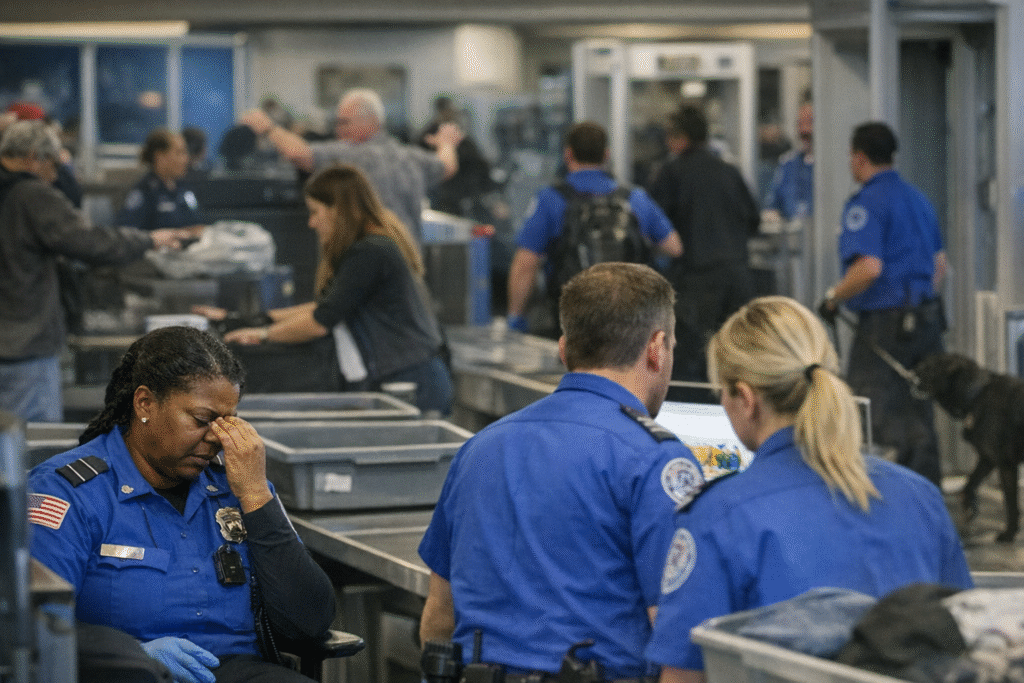
Concerns are mounting across the U.S. aviation system as the prospect of a federal government shutdown revives fears about how front-line security operations would be sustained, particularly for Transportation Security Administration employees who would be required to work without pay. In an article published by The Wall Street Journal titled “TSA Agents’ Pay and the Risk of a Government Shutdown,” the financial and operational strain on airport security personnel is outlined as a recurring vulnerability in federal budget standoffs.
TSA officers are classified as essential workers, meaning they are obligated to continue reporting for duty even when federal funding lapses. However, as the Journal’s reporting highlights, their compensation is typically delayed until Congress restores funding, creating immediate financial pressure for a workforce that is not among the highest paid in federal service. Many agents face bills, rent, and childcare costs without the assurance of timely income, leading to increased absenteeism in past shutdowns.
Industry observers warn that any significant drop in staffing levels could ripple across the nation’s airports, increasing wait times and complicating travel logistics. Airport authorities and airline executives have previously raised concerns that prolonged disruptions in TSA staffing can erode passenger confidence and strain already complex travel schedules. While contingency plans exist, they rely heavily on maintaining sufficient personnel levels, something that cannot be guaranteed if workers face extended periods without pay.
The situation also underscores broader structural tensions in how essential government services are funded. As noted in The Wall Street Journal’s coverage, repeated shutdown threats have exposed the fragility of relying on stopgap budget agreements to sustain critical infrastructure functions. TSA’s role in national security makes it particularly sensitive to disruptions, yet its workforce remains vulnerable to political impasses beyond its control.
Union representatives and aviation stakeholders have continued to press for reforms that would shield essential employees from financial uncertainty during shutdowns. Proposed solutions have ranged from automatic continuing resolutions to dedicated funding protections for national security-related roles. Despite these proposals, no permanent fix has been implemented, leaving TSA employees and the traveling public exposed to recurring uncertainty.
As lawmakers again confront budget deadlines, the experience of past shutdowns serves as a cautionary example. The pressures facing TSA agents illustrate how fiscal brinkmanship in Washington can translate quickly into operational risk at the country’s airports, raising questions about resilience, workforce stability, and the broader implications for national transportation security.