USS George Washington Enters South China Sea Amid Ongoing Territorial Dispute With Beijing
The Navy’s forward-deployed carrier USS George Washington has entered waters claimed by China, signaling continued U.S. freedom-of-navigation commitment.
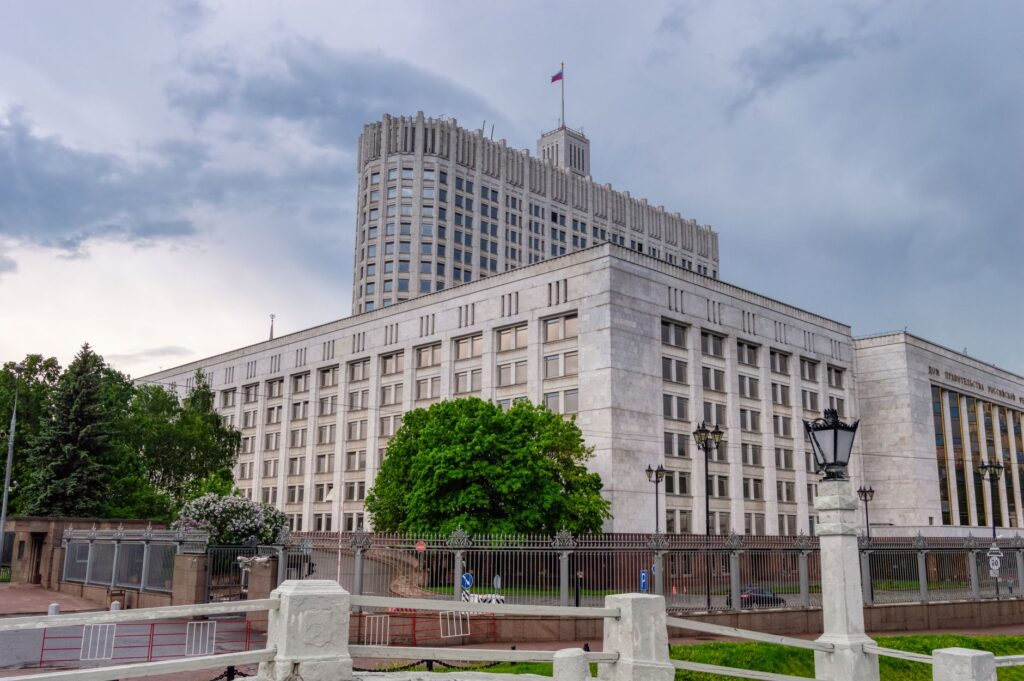
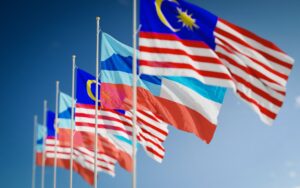
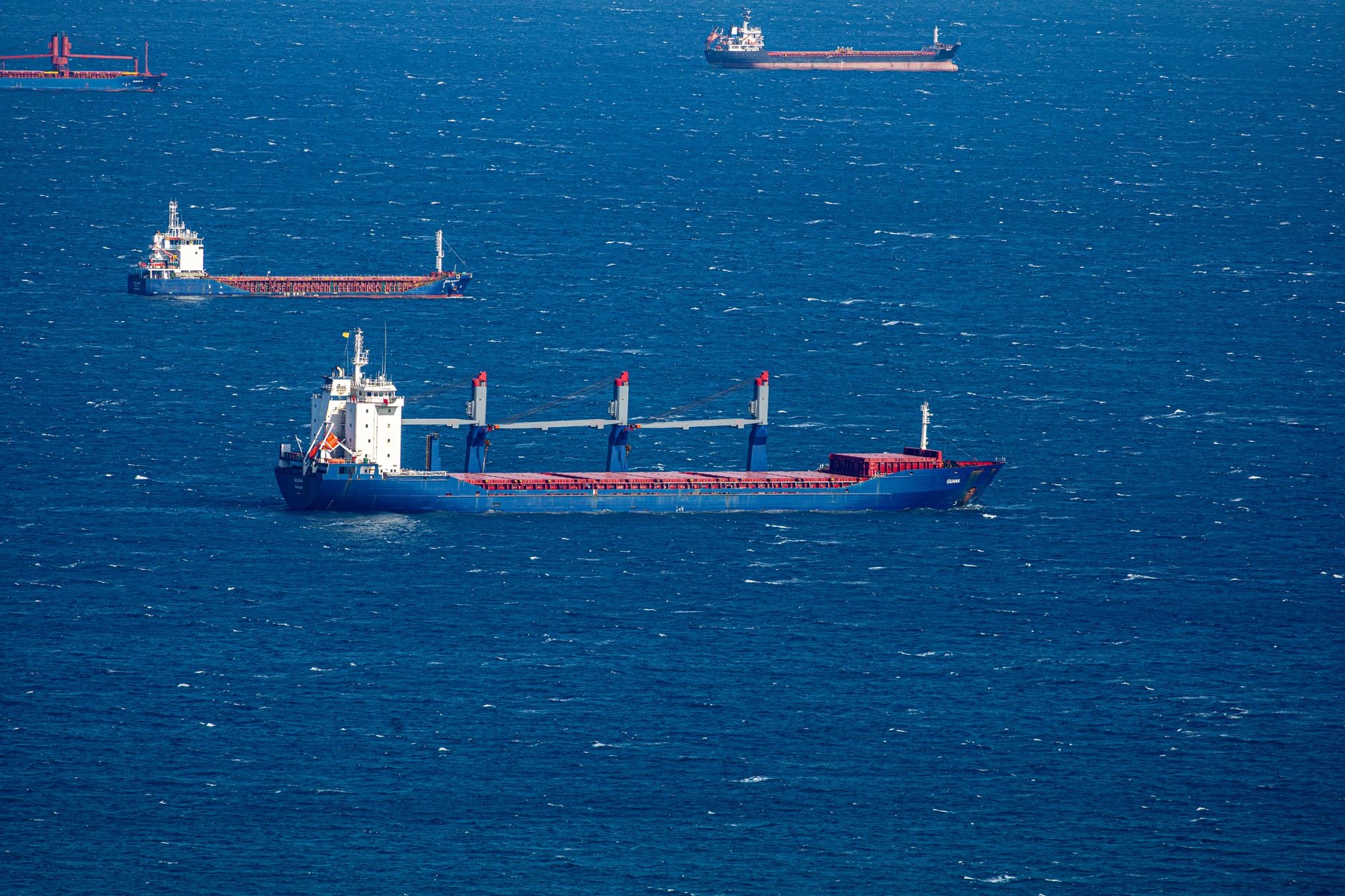
The U.S. Navy’s forward-deployed aircraft carrier USS George Washington has moved into the South China Sea, entering waters that Beijing claims as sovereign territory and reinforcing Washington’s long-standing position that the waterway constitutes international waters open to all nations. The deployment was reported by Forbes coverage on July 28, 2026. The move comes as the U.S. and its regional allies continue to push back against China’s expansive maritime claims across one of the world’s most heavily trafficked and strategically vital sea lanes. For context on how the Navy has been managing carrier positioning across multiple theaters simultaneously, see GDD’s earlier reporting on carrier strike group deployments this summer.
U.S. Ambassador to the Philippines MaryKay Carlson marked the occasion in an official statement posted to X, highlighting the carrier’s presence in the region and underscoring the alliance dimension of the deployment.
George Washington’s Forward-Deployed Role
USS George Washington is homeported in Yokosuka, Japan, as part of the U.S. Navy’s forward-deployed naval force in the Indo-Pacific — a posture designed to reduce response times across the region without requiring a carrier to surge from the continental United States. Forward deployment keeps a carrier and its strike group continuously available in theater, a deterrence calculation that Pentagon planners have maintained for decades. The George Washington previously operated out of Yokosuka before undergoing a refueling and complex overhaul, and it returned to the forward-deployed role upon completion of that work.
The South China Sea entry is consistent with a pattern of U.S. carrier operations in the region intended to demonstrate that American forces will continue to operate wherever international law permits, irrespective of Chinese objections. Beijing claims roughly 90 percent of the South China Sea under what it terms the “nine-dash line,” a boundary that an international arbitral tribunal ruled in 2016 had no basis in international law — a ruling China has rejected. U.S. officials have not confirmed specific transit routes or operational details of the current deployment.
Broader Indo-Pacific Carrier Commitments
The George Washington’s South China Sea presence comes as the U.S. Navy is managing carrier commitments across multiple regions simultaneously. The service has faced questions about the sustainability of its global deployment tempo, and the Abraham Lincoln deployment has separately drawn attention for its extended operational stretch, raising broader questions about hull availability and maintenance cycles across the carrier fleet. Balancing a forward-deployed hull in the Indo-Pacific with surge requirements in other theaters places persistent strain on a fleet that has fewer deployable carriers than at earlier points in its history.
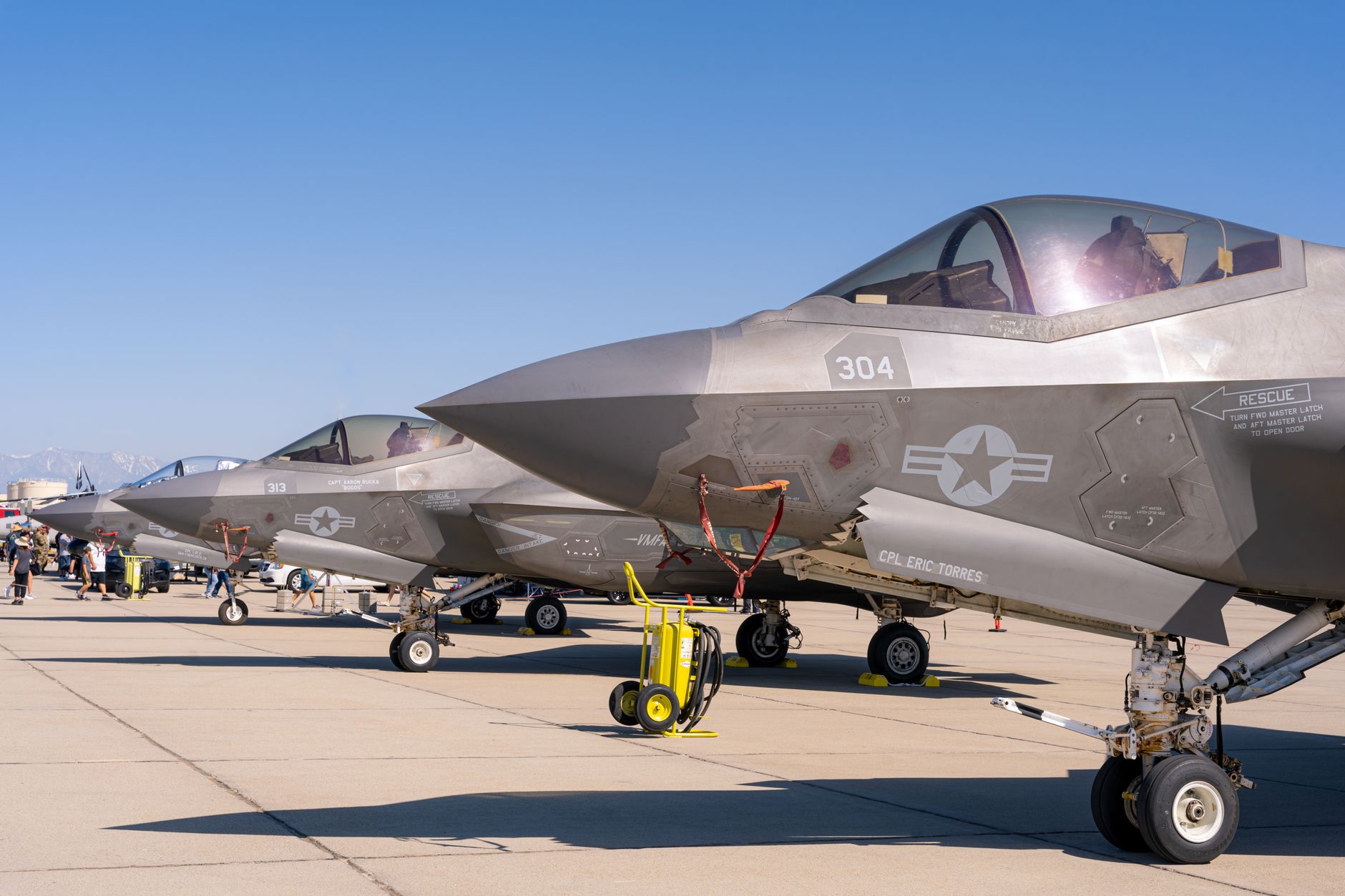
The timing of the George Washington’s South China Sea transit also intersects with expanded allied exercises in the Pacific. The U.S. military has been working to deepen multilateral interoperability with partners including the Philippines, Japan, and Australia, and carrier transits through disputed waters serve both an operational and a signaling function — demonstrating to allies that the United States will not cede access to waters its partners depend on for trade and security. GDD has previously reported on how REFORPAC exercise planning reflects the same effort to expand the coalition dimension of Pacific deterrence heading into 2027. U.S. officials have not detailed whether the current deployment is coordinated with any specific allied naval activity.