Trump’s Backchannel Intervention Linked to Sudden Pause in Iran-Israel Strikes
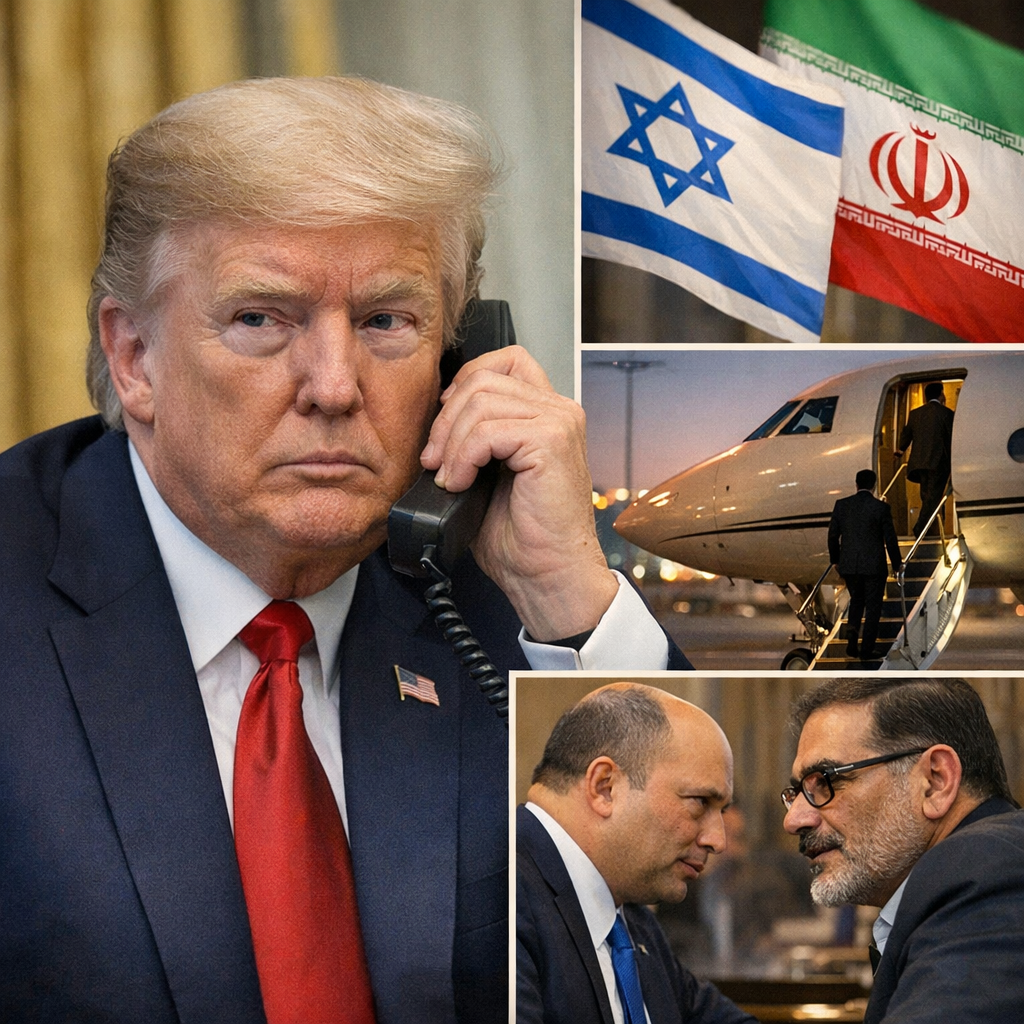
A report published by i24NEWS, titled “Iran-Israel strikes halted after Trump’s intervention – live blog,” describes a sudden de-escalation in hostilities between Iran and Israel following direct involvement by former U.S. President Donald Trump, who appears to have played an informal but influential mediating role.
According to the i24NEWS account, the confrontation had intensified in recent days, with both sides exchanging strikes that raised fears of a broader regional conflict, a pattern also noted in ongoing coverage by Reuters on Middle East tensions. Israeli operations reportedly targeted Iranian-linked military infrastructure, while Iran and allied groups responded with retaliatory attacks, contributing to a rapidly deteriorating security environment across multiple fronts covered by outlets such as BBC News Middle East.
The situation shifted after Trump intervened through back-channel communications, a form of informal negotiation often discussed in the context of diplomatic practice, as reported by i24NEWS. While the precise mechanisms of his involvement remain unclear, the report suggests that his outreach to key figures helped facilitate a pause in military activity. The article characterizes the development as a temporary halt rather than a formal ceasefire, with tensions still high and the risk of renewed escalation unresolved.
Officials on neither side have publicly confirmed the full extent of the diplomatic contacts described in the i24NEWS report. However, the apparent توقف in strikes aligns with broader international pressure to avoid further destabilization in the region, a role often associated with institutions like the United Nations peacekeeping framework. Analysts note that even a short-lived pause can provide critical space for more formal diplomatic engagement, especially as global actors continue to monitor the situation closely.
The report also underscores the complexity of the conflict, pointing to the involvement of proxy forces and overlapping spheres of influence that complicate any direct negotiation between Tehran and Jerusalem, a dynamic explained in detail by the Council on Foreign Relations’ analysis of Iran’s proxy network. This dynamic has historically made de-escalation efforts fragile and difficult to sustain.
While Trump’s reported role has drawn attention, it also raises questions about the evolving nature of unofficial diplomacy in high-stakes conflicts. The i24NEWS article suggests that nontraditional channels may still exert influence, particularly when formal diplomatic ties are limited or strained.
For now, the halt in strikes appears to have reduced immediate fears of a wider confrontation, but the underlying drivers of the conflict remain firmly in place. Observers caution that without a structured agreement or ongoing mediation, the current pause could prove temporary, with both sides retaining the capability and readiness to resume hostilities at short notice.