Trump Announces November Trip to Beijing as US-China Summit Closes on Cautious Optimism
President Trump says he will travel to China in November for a follow-on meeting with Xi Jinping after concluding a historic US state visit.

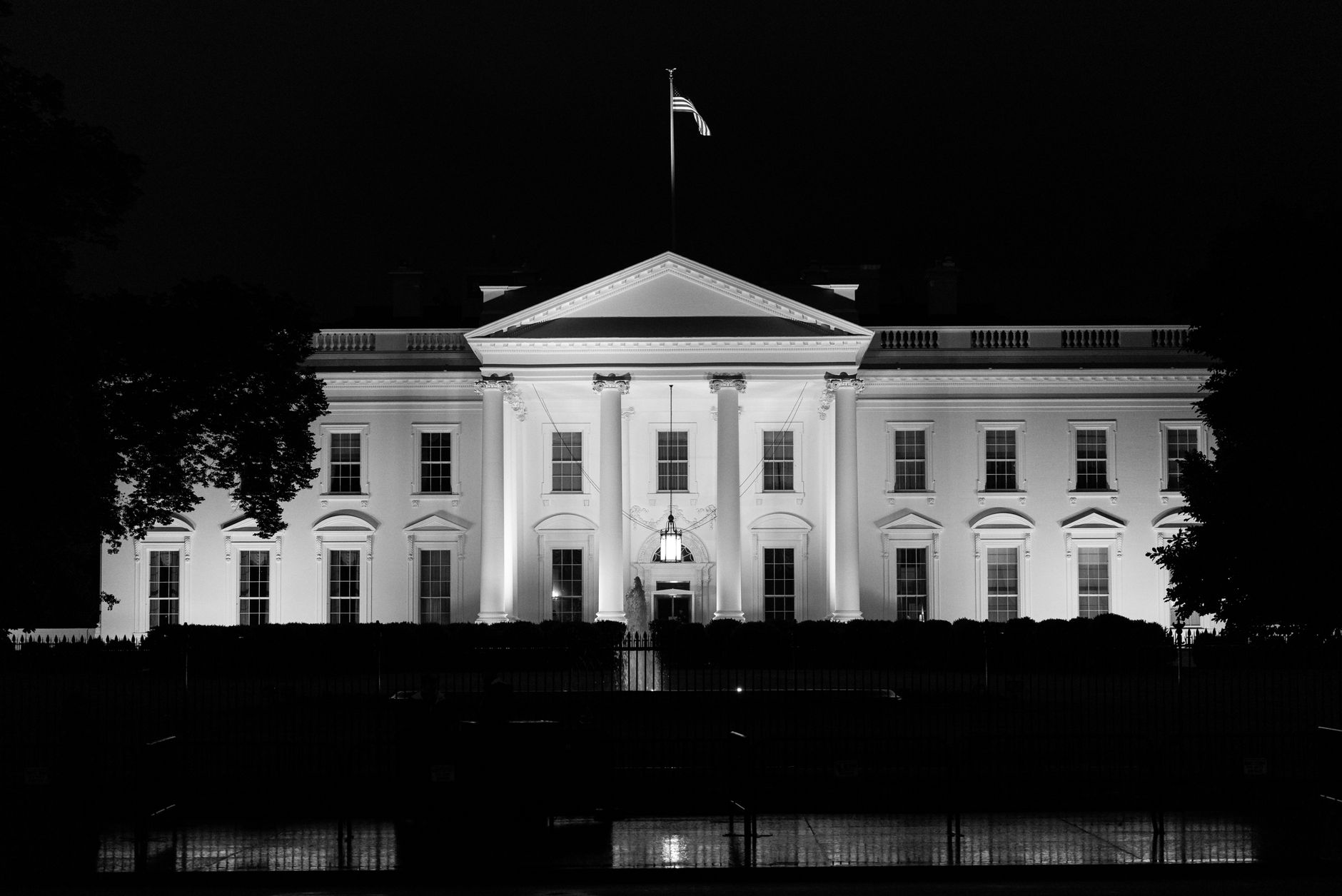
President Donald Trump announced Thursday that he will travel to China in November for a follow-on meeting with President Xi Jinping, capping the final day of a historic bilateral summit with a private tea hosted at the White House. The disclosure came as the two leaders concluded what Bloomberg described as a landmark state visit in its report, Trump-Xi meeting, signaling that both sides intend to sustain direct engagement beyond the ceremonial close of Xi’s Washington visit. The announcement represents a notable diplomatic commitment — a sitting US president agreeing to travel to Beijing is a signal of substantive intent, not merely protocol.
The summit produced a House fact sheet framing the meetings as advancing what the administration called a “fair and reciprocal” relationship with China. GDD’s earlier coverage of the underlying tensions driving this engagement — including Beijing’s push for structural concessions — is detailed in our report on Xi-Trump summit negotiations over Taiwan and tariffs.
What the Summit Produced — and What Remains Unresolved
The White House framed the state visit as a step toward stabilizing a bilateral relationship that has been defined in recent years by tariff escalation, technology export controls, and contested maritime claims. The administration’s fact sheet cited the meeting as advancing reciprocal trade terms, though specific tariff rates or concession details were not enumerated in the publicly released summary. Officials have not confirmed whether formal agreements were signed or whether the outcomes represent binding commitments or statements of intent.
On the Chinese side, Xi entered the summit with a clear agenda. A separate Bloomberg analysis found that Beijing was using the détente to seek lasting structural gains on trade policy and Taiwan, pressing for changes that would go beyond a temporary truce in economic hostilities. Whether Washington agreed to any of those terms in concrete form has not been confirmed by either government as of the summit’s close. The gap between the two sides’ public characterizations of the same meetings is itself a familiar feature of US-China diplomacy.
A November Beijing Trip and What It Signals Strategically
Trump’s announcement that he would visit China in November adds a layer of strategic significance to what might otherwise read as a standard summit closing statement. American presidents do not commit to traveling to Beijing casually — such a trip carries symbolic weight that Beijing prizes and that constrains US diplomatic flexibility in the interim. A confirmed reciprocal visit would effectively lock in a period of managed engagement between the two governments during a stretch that includes ongoing tensions over Taiwan, semiconductor export controls, and military posture in the Indo-Pacific.

The broader defense and security implications of sustained US-China leader-level dialogue extend well beyond trade. Military-to-military communication channels, which were severed at various points during previous periods of tension, are directly affected by the political temperature at the top. Whether the November trip results in any formal agreements on defense hotlines, incident-at-sea protocols, or other risk-reduction mechanisms will be closely watched by US Indo-Pacific Command and allied governments in the region. The KF-21 fighter program’s operational debut in South Korea is among the regional developments that will be viewed differently depending on how durable this diplomatic opening proves to be. For now, both governments have chosen engagement — but the structural disputes that define US-China competition remain firmly in place.