South Korea Declares Operational Milestone as KF-21 Fighter Enters Service
South Korea’s air force formally inducts the KF-21 Boramae, the country’s first domestically developed fighter jet, marking a generational shift in Seoul’s defense posture.
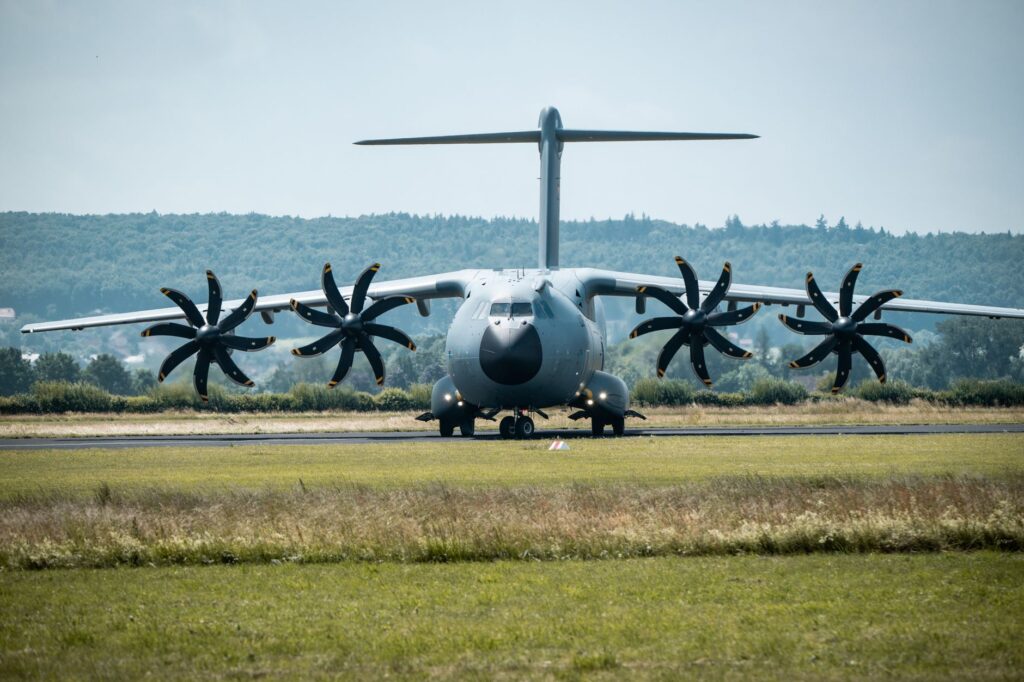
South Korea formally inducted its first domestically developed combat aircraft into the Republic of Korea Air Force, marking a milestone in Seoul’s decades-long effort to reduce dependence on foreign-supplied fighter platforms. The KF-21 Boramae, developed by Korea Aerospace Industries, entered service in a ceremony that underscored the program’s significance to both South Korea’s defense-industrial ambitions and its posture on a peninsula that remains one of the most heavily militarized regions in the world. Breaking Defense reported the induction in detail, noting the ceremony as a formal turning point for the program.
The development carries strategic weight well beyond a single aircraft entering inventory. South Korea’s move to field a homegrown fourth-plus-generation fighter reflects a broader regional dynamic in which great-power competition is reshaping how Indo-Pacific nations calculate their defense-industrial priorities and alliance commitments. Seoul’s ability to sustain, upgrade, and export a domestically produced platform gives it leverage and flexibility that license-built or foreign-purchased aircraft cannot provide.
KF-21 Program Origins and Development Path
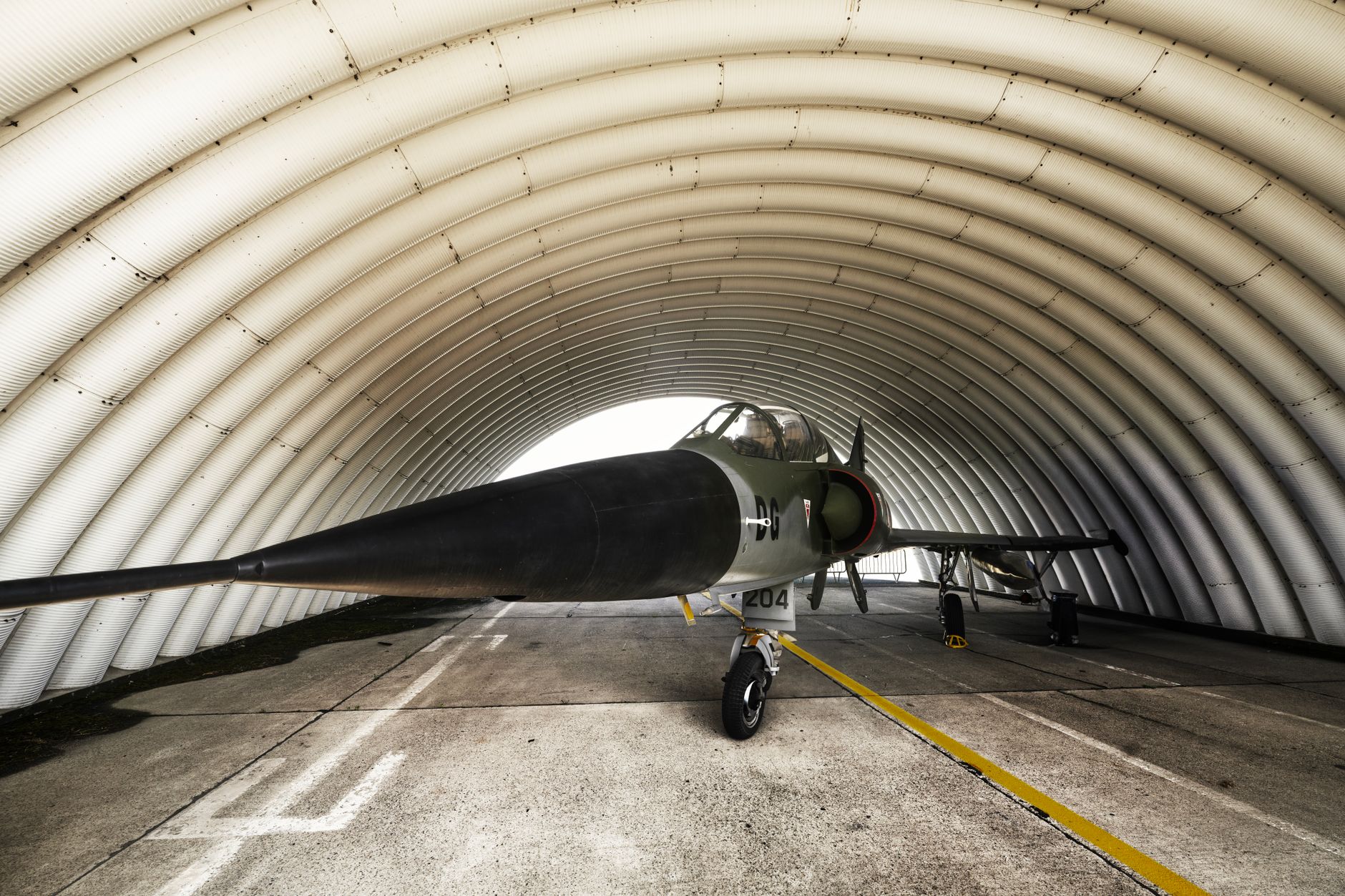
The KF-21 program has been years in the making, with Korea Aerospace Industries leading development under a government-funded effort aimed at bridging the capability gap between South Korea’s aging F-4 and F-5 fleets and the more advanced aircraft it operates alongside. The Boramae is designed as a supersonic multirole fighter intended to handle both air-to-air and air-to-surface missions, positioning it as a credible replacement for legacy platforms that have served the ROKAF for decades.
Indonesia has been a cost-sharing partner in the program, though the partnership has faced reported friction over technology-transfer terms and payment schedules. Officials have not confirmed the current status of those negotiations in connection with the induction ceremony. The program’s domestic content and the broader question of how far South Korea can push toward sovereign defense production remain central to how Seoul and its partners assess the Boramae’s long-term value.
Operational Significance and Regional Implications
Inducting the KF-21 gives South Korea an aircraft it can modify, upgrade, and sustain through its own industrial base rather than navigating foreign government approval processes for each configuration change. That operational autonomy matters in a threat environment defined by North Korea’s continued ballistic missile and nuclear developments, as well as by the broader contest for air superiority across the broader Indo-Pacific theater.
The induction also signals intent on the export front. South Korea has positioned KAI and its platforms as competitive alternatives in markets where American or European systems may carry prohibitive costs or political conditions. Whether the KF-21 can compete internationally will depend heavily on how the aircraft performs in ROKAF service over the coming years and how Seoul manages its technology-sharing posture with prospective buyers. Western intelligence assessments of the broader Indo-Pacific security environment, including shifting threat perceptions among U.S. allies, add context to why partners in the region are prioritizing domestic production capacity now rather than deferring to the next procurement cycle.
The ROKAF has not publicly confirmed a specific initial operational unit, delivery numbers beyond the first aircraft, or a formal timeline for full-rate production. Those details are expected to emerge as the service transitions from ceremony to sustained operations with the new platform.