Western Intelligence Sees Russia Stalled in Ukraine But Warns of Growing NATO Exposure
Western intelligence assessments find Russia unable to break Ukrainian lines while flagging escalating long-term risks to NATO territory and readiness.

Western intelligence agencies have concluded that Russia is unlikely to achieve a decisive breakthrough against Ukrainian forces in the near term, but warn that the broader threat to NATO allies is intensifying — a dual assessment that carries significant implications for alliance defense planning and resource allocation, according to a Business Insider report drawing on current intelligence findings. The assessment reflects a conflict that has settled into a grinding war of attrition while simultaneously feeding a longer-range security problem for Europe.
The findings arrive as NATO members continue to recalibrate their force posture across the eastern flank. Earlier this year, GDD reported on U.S. Army deployments to Lithuania as part of the alliance’s sustained effort to reinforce forward presence — a commitment that now sits within the broader strategic context these intelligence assessments describe.
Russia’s Battlefield Ceiling and Ukraine’s Resilience
Intelligence officials assess that Russian forces, despite sustained offensive pressure and significant materiel expenditure, have not demonstrated the capacity to break through Ukrainian defensive lines at a strategic level. Ukraine’s military has proven adaptable, and that adaptability extends beyond the front. Ukrainian troops training with NATO partners are bringing hard-won battlefield ingenuity into the training environment — while NATO trainers are simultaneously filling gaps in core military fundamentals, according to a separate Business Insider account of the training relationship.
That exchange is reshaping how NATO forces conceptualize modern high-intensity conflict. Ukrainian soldiers have actively pushed NATO instructors to make training scenarios more realistic, correcting details about drone usage patterns, electronic warfare conditions, and the tempo of combined-arms contact that Western trainers had not fully replicated. The result is a feedback loop between active combat experience and alliance-wide training doctrine that Western militaries had not seen in decades.
The NATO Risk Horizon Western Spies Are Watching
Even as Russia’s immediate offensive capacity appears limited, intelligence agencies are raising alarms about what comes next. The concern is not an imminent Russian attack on a NATO member but a cumulative erosion of deterrence — driven by Russian reconstitution efforts, hybrid operations, and the alliance’s uneven readiness levels. Norway, which has been actively training Ukrainian troops, has drawn one stark operational lesson from that work: avoid being drawn into the same kind of prolonged attritional war Russia is waging, according to a Business Insider report on Norwegian military assessments. That lesson is now influencing how at least some NATO members structure their own warfighting concepts.

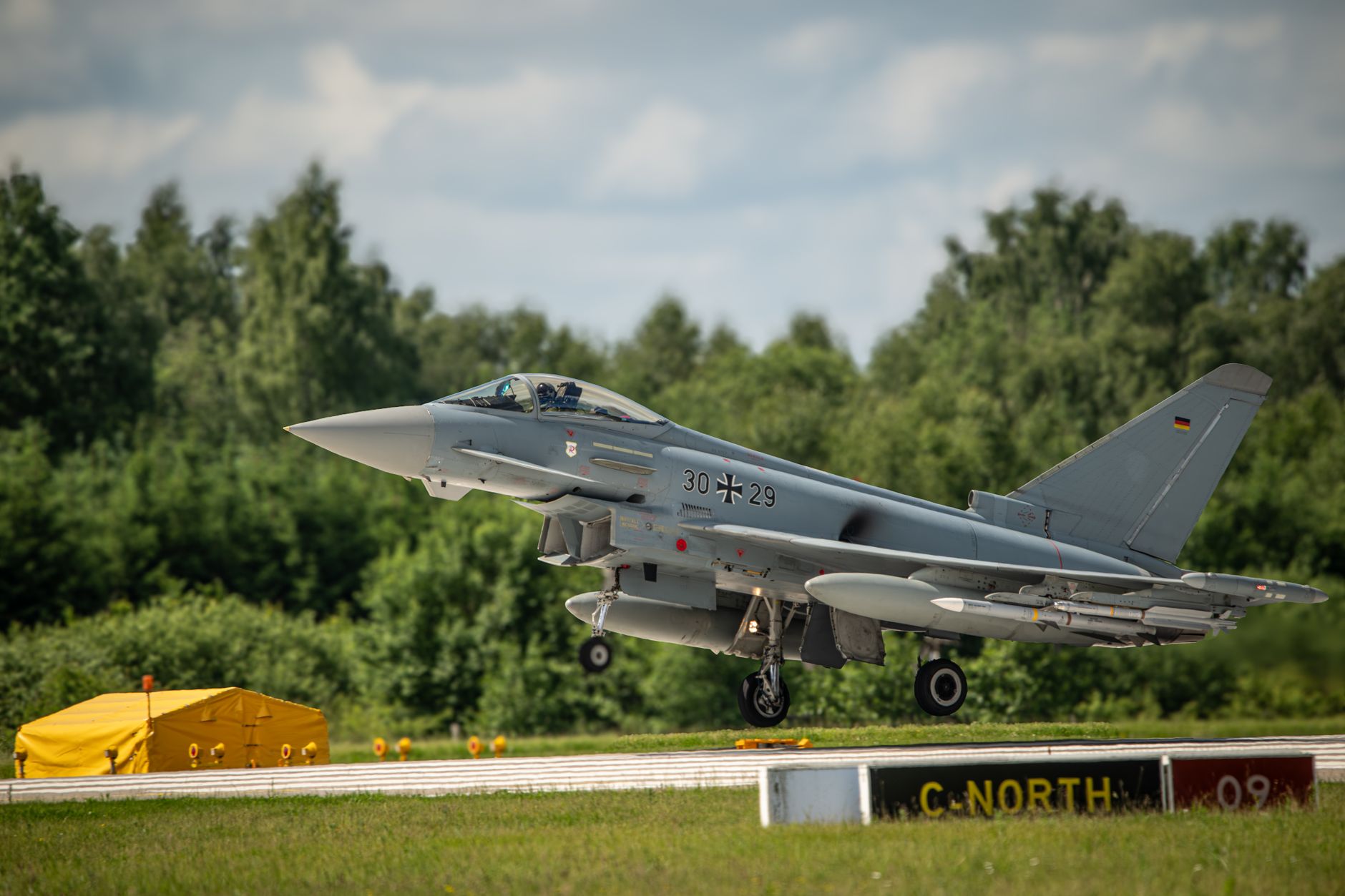
NATO has also begun restructuring its air defense posture in response to the threat environment the Ukraine war has clarified. The alliance is transitioning away from traditional air policing toward a broader approach that accounts for the proliferation of drones and cruise missiles — threats Russia has employed extensively throughout the conflict. That architectural shift signals that the alliance is treating the lessons of the Ukraine war not as a regional exception but as a template for the threat environment NATO itself may face. GDD has also tracked how 360-degree defense concept is reshaping air domain priorities across the alliance. Whether member states can align procurement and readiness timelines with that evolving threat picture remains the central question intelligence officials and defense planners have not yet answered definitively.