San Diego’s Water Surplus Rewrites Scarcity Story
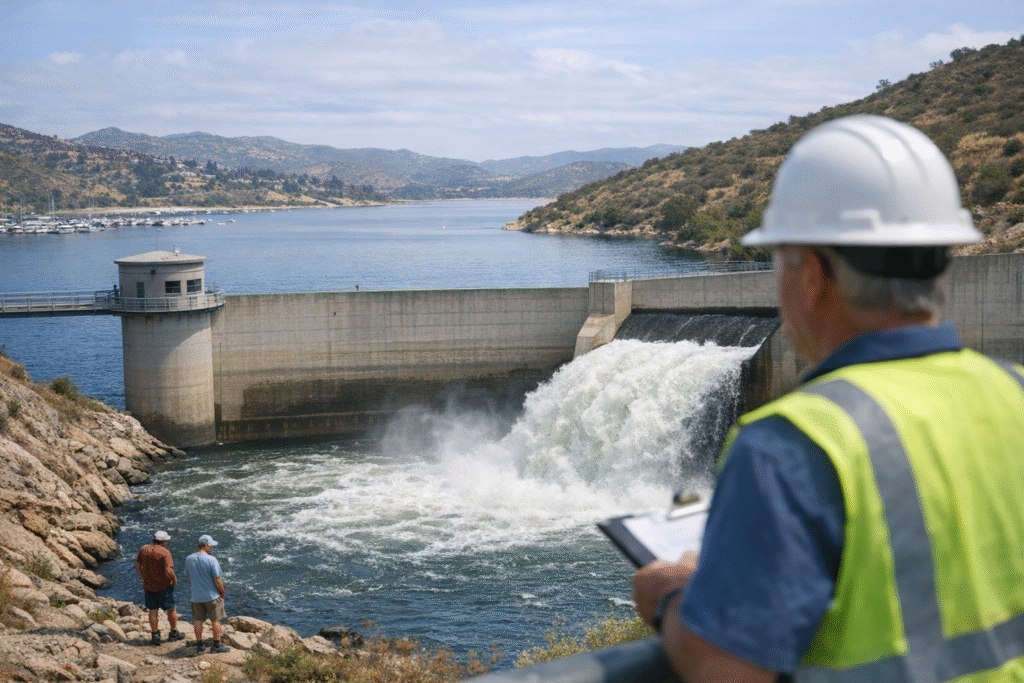
San Diego, long defined by water scarcity and dependence on imported supplies, is now confronting a reversal of fortune: it has more water than it needs. According to the Wall Street Journal article “San Diego Now Has So Much Water That It’s Selling It,” the Southern California region has built a surplus through years of conservation, infrastructure investment, and long-term supply contracts—prompting officials to begin selling excess water to neighboring agencies.
The shift reflects a broader transformation in how San Diego sources and manages water. Historically reliant on deliveries from Northern California and the Colorado River, the region moved aggressively over the past two decades to diversify its portfolio. Investments in desalination, water recycling, and conservation programs reduced vulnerability to drought and supply disruptions. At the same time, water agencies locked in purchases through long-term agreements designed to guarantee reliability even during dry years.
Those decisions, while costly, have proven effective in ensuring supply. Residents reduced consumption significantly during recent drought periods, and conservation habits have largely persisted even as conditions improved. Meanwhile, infrastructure such as the Carlsbad desalination plant continues producing a steady stream of potable water, regardless of rainfall levels.
The result is a mismatch between supply and demand. San Diego is now obligated to take on more water than it currently uses, leading local officials to seek buyers elsewhere in California. By reselling excess water, agencies hope to offset the high fixed costs associated with their investments and contracts, which ratepayers continue to shoulder.
This development highlights a paradox facing parts of the American West. While many regions still confront severe water shortages exacerbated by climate change, others that planned aggressively for scarcity are finding themselves with costly surpluses. The financial burden of maintaining diversified water portfolios remains substantial, and agencies must balance reliability against affordability.
San Diego’s situation also underscores the complexities of long-term resource planning in an era of climate uncertainty. Efforts to secure water independence have insulated the region from drought but have also created rigid supply commitments that are difficult to scale down when demand falls. As conservation becomes more entrenched and climate patterns grow less predictable, water managers across the West may face similar challenges.
For now, San Diego’s surplus offers a rare opportunity: a traditionally water-stressed region acting as a supplier rather than a consumer. Whether that role proves temporary or becomes a lasting feature of the region’s water economy will depend on future demand, evolving climate conditions, and the willingness of neighboring agencies to absorb the excess.