Ukrainian Troops Test Flechette-Loaded Rifle Rounds Against FPV Drones, Challenging Shotgun Dominance
Ukrainian soldiers are testing specialized rifle ammunition as an alternative to shotguns for shooting down FPV drones on the front line.
Ukrainian troops are field-testing flechette-loaded rifle cartridges as a potential counter to first-person-view drones, raising a practical question that has grown urgent along the front lines: can purpose-built small-arms ammunition outperform a shotgun at bringing down low-cost FPVs? According to Forbes reporting by defense analyst David Hambling, the answer is more complicated than either camp suggests. As Switchblade loitering munitions and other drone systems proliferate across modern battlefields, the pressure to develop practical, low-cost defeat mechanisms for small FPVs has accelerated at every level of the force.
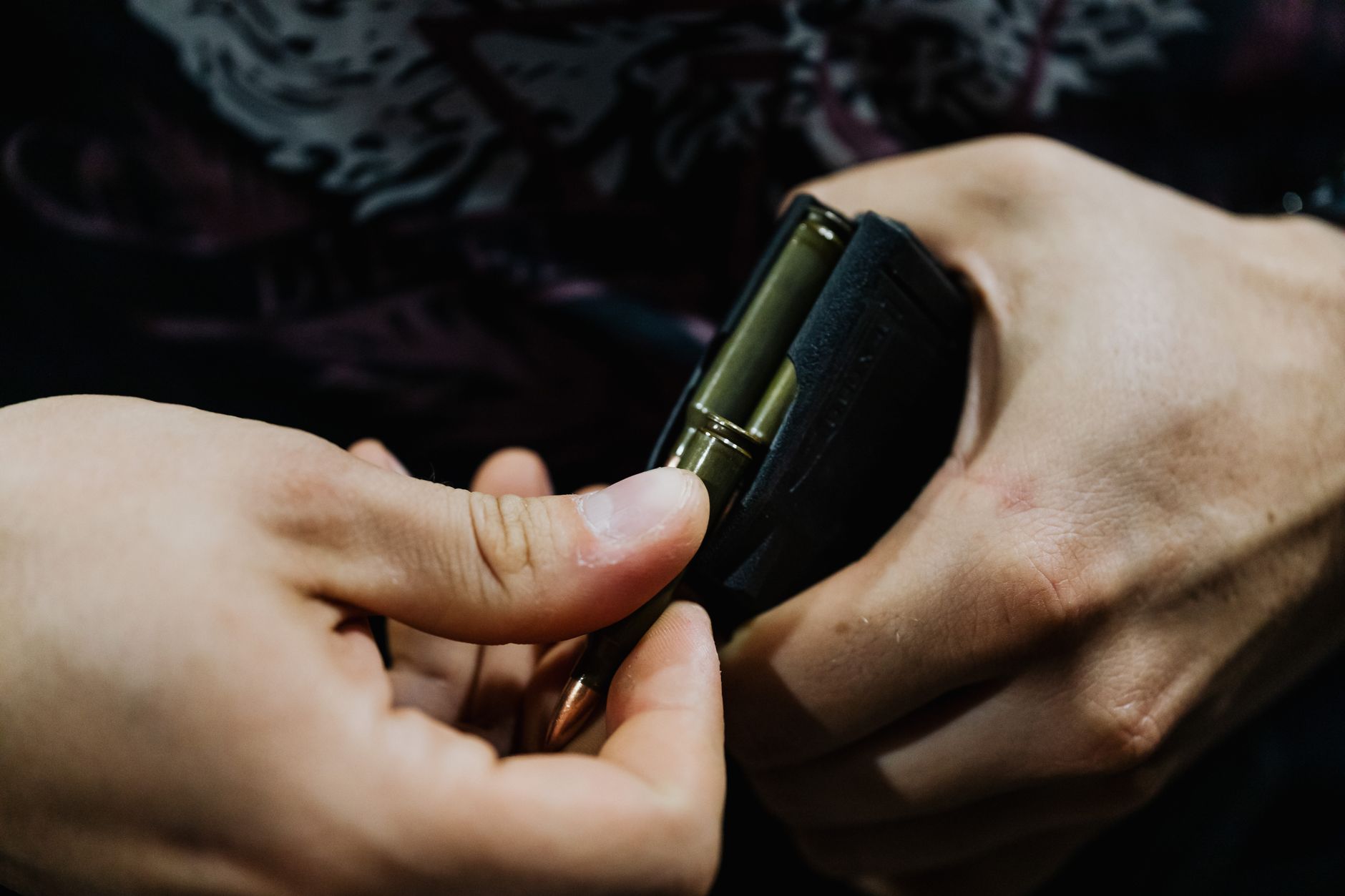
The specific ammunition under evaluation is a rifle round packed with multiple steel flechettes — small, dart-like projectiles — designed to spread on exit and increase the probability of hitting a fast-moving, small target. The concept mirrors the logic behind shotgun employment against drones: a single projectile is unlikely to intercept an agile FPV, so broadening the impact pattern compensates for the difficulty of precise aim. Flechette rounds attempt to deliver that spread while still being chambered in a standard assault rifle, allowing a soldier to engage drones without carrying a separate weapon system.
What the Field Test Revealed
British-Ukrainian volunteer Shaun Pinner, who has been active on the Ukrainian front and documents equipment evaluations on social media, published a field assessment comparing flechette rifle rounds directly against conventional shotgun loads in drone-engagement scenarios.
Hambling’s Forbes analysis notes that flechette rounds do produce a usable spread, but the shotgun retains meaningful advantages in raw pellet count and pattern density at close range — the engagement envelope where most FPV intercepts actually occur. The rifle-based approach does offer one structural advantage: soldiers already carrying an assault rifle do not need to transition to a separate weapon, which matters in a high-stress intercept scenario where reaction time is measured in fractions of a second. That ergonomic argument does not automatically translate into superior lethality against a target as small and fast as a commercial-derivative FPV.
The Wider Calculus of Small-Arms Drone Defense
The debate over shotguns versus specialty rifle ammunition reflects a broader challenge that Ukraine’s war has forced into focus: the proliferation of cheap FPV drones has outpaced the development of dedicated close-in defeat systems, pushing soldiers to adapt organic small arms rather than wait for purpose-built solutions. Shotguns have become a common expedient along the front precisely because their wide shot pattern addresses the core problem — hitting a small, erratically moving target — without requiring additional logistics infrastructure or training pipelines.
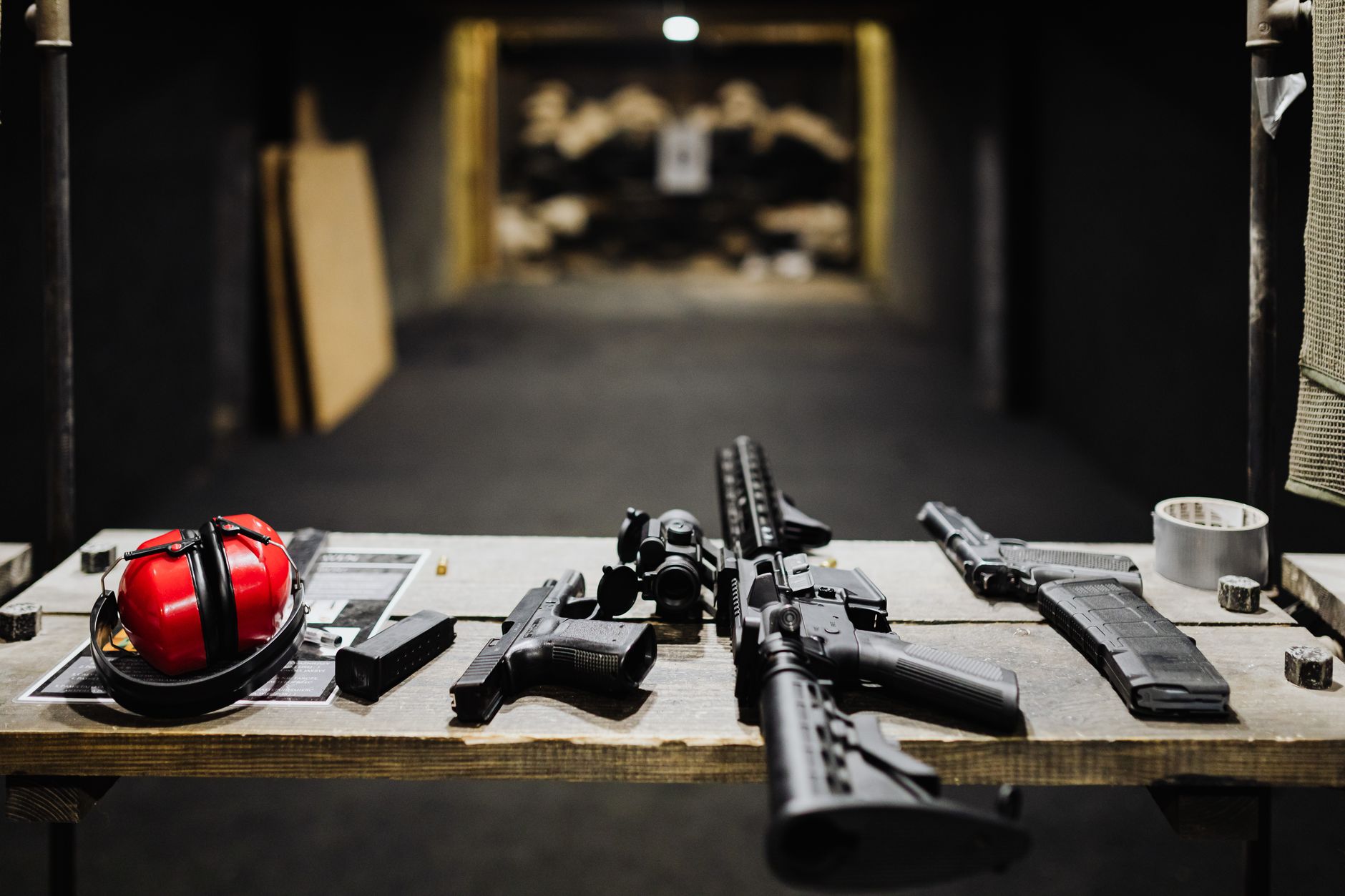
Flechette rifle rounds represent an attempt to solve the same problem within the existing rifle-centric logistics chain, which would simplify resupply and standardization. However, Hambling’s reporting makes clear that neither solution has definitively proven superior under all conditions, and Ukrainian units appear to be continuing comparative testing rather than committing to a single standard. The outcome of that evaluation could influence how other militaries approach the low-cost FPV threat, particularly as drone swarm tactics documented in Ukraine spread to other conflict environments. The Ukrainian drone campaign has already demonstrated the asymmetric leverage that mass FPV employment provides, making the question of effective counter-tactics an increasingly urgent one for defense planners well beyond Kyiv.