U.S. Marines Deploy Switchblade Loitering Munitions During Korean Peninsula Training Exercise
U.S. Marines practiced launching Switchblade loitering munitions in South Korea, signaling a shift in how the Corps integrates drone-strike capability into allied exercises.
U.S. Marines stationed on the Korean Peninsula have conducted live training with Switchblade loitering munitions — one-way attack drones designed to strike and destroy a target on impact — marking a visible demonstration of how the Corps is weaving kamikaze-style drone systems into its forward-deployed force posture. Forbes reported the exercise on August 6, 2026. The drills reflect a broader effort by the Marine Corps to field low-cost, precision strike options that can be operated by small ground units without requiring fixed-wing air support.
The training comes at a moment of intensified allied readiness activity on the peninsula, where the security environment remains shaped by North Korean missile and weapons programs. As the U.S. military weighs lessons from drone-saturated conflicts elsewhere, exercises like this signal that dispersed, tube-launched munitions are no longer an experimental addition to the Marine toolkit — they are being rehearsed as a practical, field-level capability. The convergence of unmanned strike systems with ground maneuver units is a trend also visible in broader Indo-Pacific planning, where analysts have flagged gaps in American munitions depth, as the Foundation has warned regarding interceptor stockpiles in a potential Pacific conflict.

Switchblade Systems and the Marines’ Organic Strike Concept
The Switchblade family of loitering munitions, manufactured by AeroVironment, includes variants of different sizes and warhead configurations. The systems are tube-launched, man-portable, and capable of loitering over a target area before being directed onto a specific aim point — or called off if the situation changes. The Forbes report identified the exercise as involving Switchblade drones, though officials did not publicly detail which specific variant Marines employed during the South Korea drills, nor did they confirm specific range, endurance, or warhead figures beyond what is already publicly associated with the program.
The appeal of these systems for Marine units is operational: a small team can carry and launch a precision strike asset without depending on close air support coordination, which can be time-consuming and resource-constrained in contested environments. That organic strike concept has gained traction across the services as unmanned systems mature and the cost of fielding them continues to fall relative to traditional munitions. The Marine Corps has been reorganizing its force structure in recent years around lighter, more distributed units — a design philosophy that maps directly onto the utility of backpack-portable strike drones.
Training Context and Regional Signaling
South Korea hosts a significant U.S. military presence under the longstanding alliance between Washington and Seoul, and combined exercises on the peninsula regularly incorporate new equipment and concepts. Conducting Switchblade training in-country rather than limiting such drills to stateside ranges carries a degree of deliberate signaling: it demonstrates to allies and potential adversaries alike that these capabilities are present, practiced, and integrated at the unit level rather than warehoused for theoretical future use.
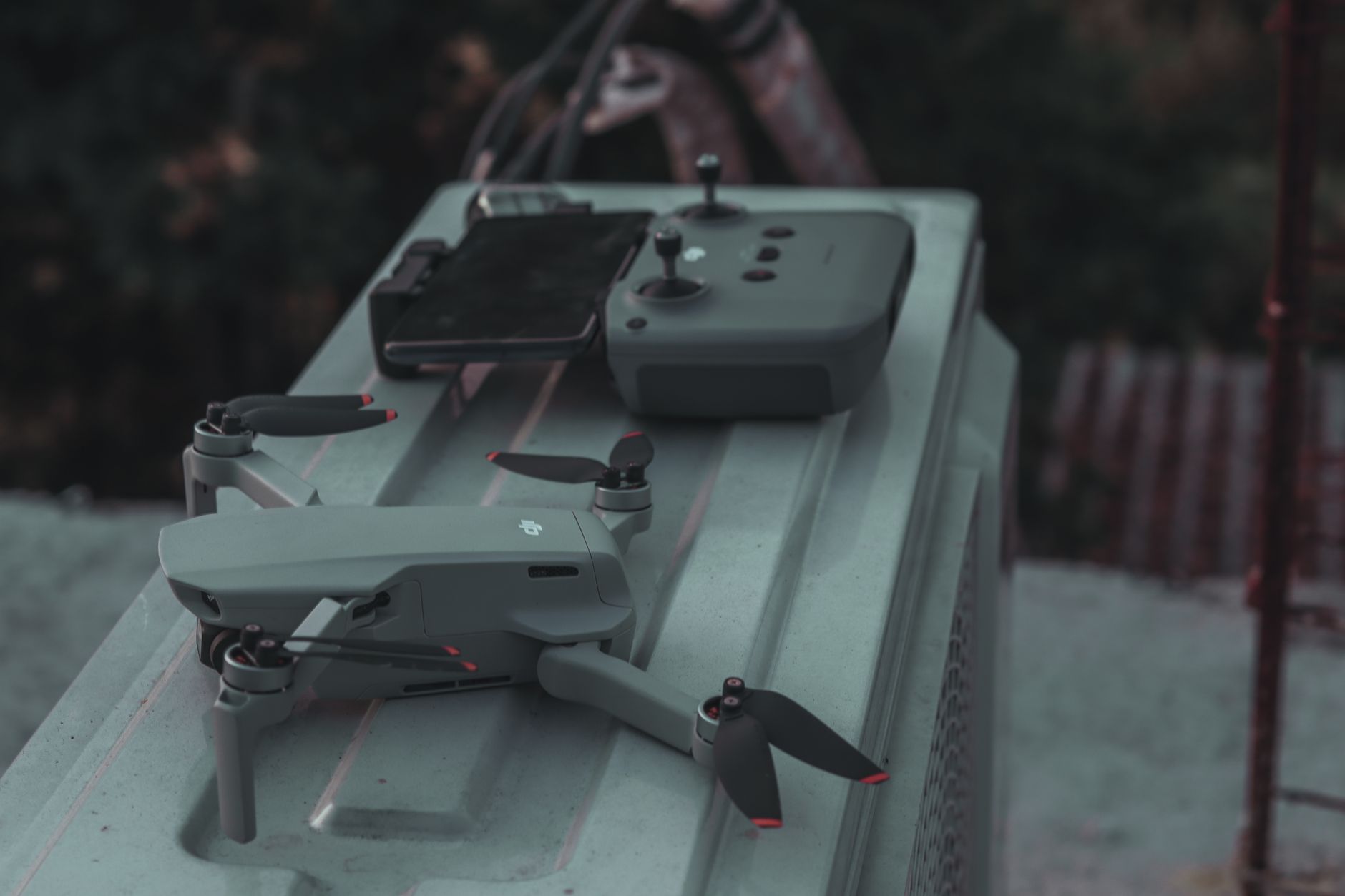
The exercise also fits into a pattern of allied nations and U.S. forces stress-testing drone doctrine in real environments rather than sterile proving grounds. Taiwan has similarly incorporated new ground systems into its exercises, as seen when it M1A2T Abrams tanks to defend Taoyuan Airport during its annual Han Kuang exercise. Whether South Korean units participated directly in the Switchblade drills or observed as partners was not confirmed in the available reporting. What the exercise does confirm is that loitering munitions have moved from the category of emergent technology into the category of rehearsed, deployable capability for U.S. Marines operating at the forward edge of Indo-Pacific deterrence.