Oklahoma Secures First US Aluminum Smelter Revival
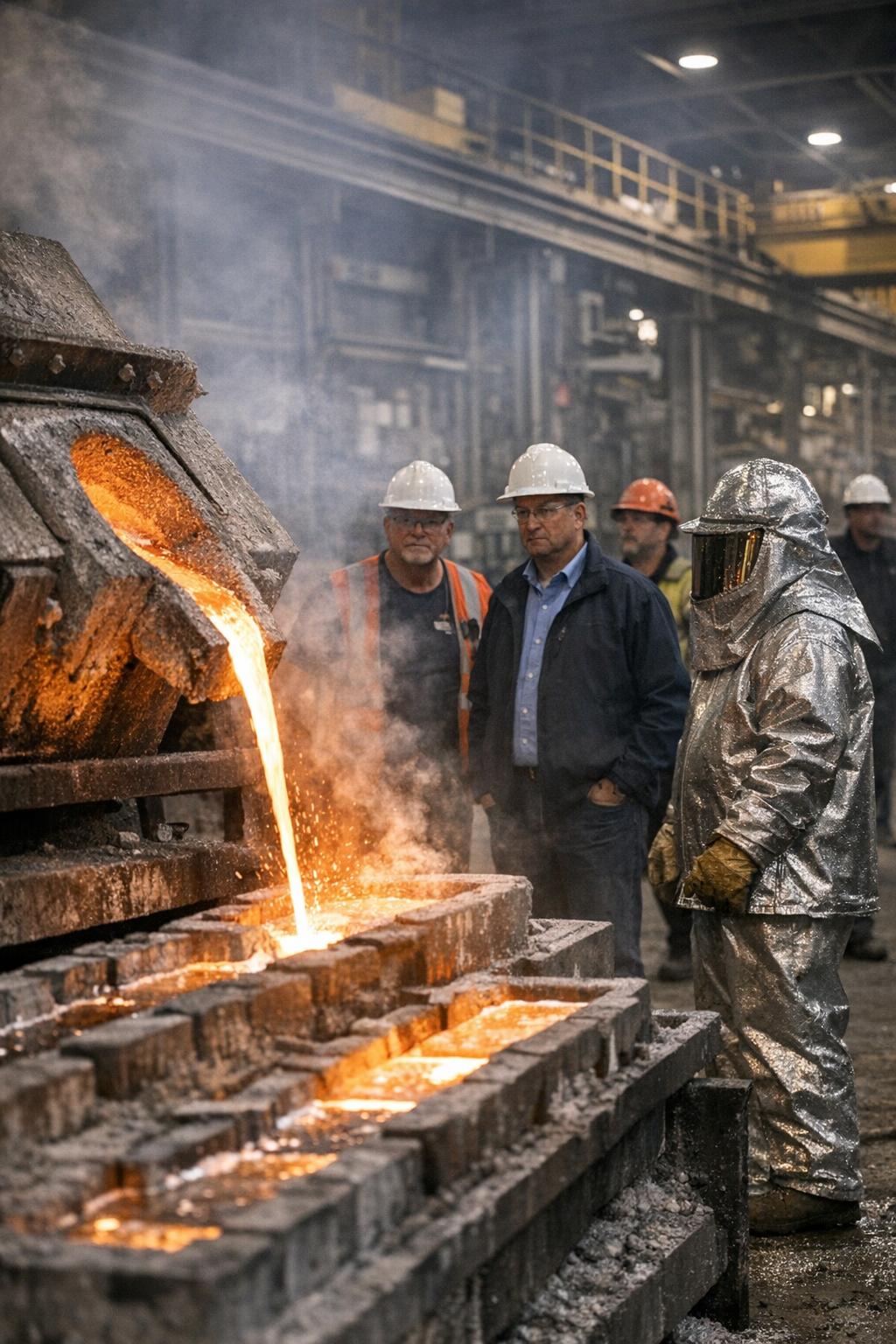
Oklahoma has secured a landmark industrial investment with the planned construction of the first new aluminum smelter in the United States in decades, a development that underscores shifting dynamics in domestic manufacturing, energy policy, and global supply chains. The effort, detailed in the Wall Street Journal article “How Oklahoma Landed America’s First Aluminum Smelter in Half a Century,” reflects a convergence of state incentives, abundant energy resources, and growing national urgency to rebuild critical industrial capacity.
The project represents a rare reversal in an industry that has steadily contracted in the United States due to high energy costs and competition from overseas producers. Aluminum smelting is among the most electricity-intensive industrial processes, and for years, cheaper power abroad—particularly in countries with state-backed energy pricing—has drawn production away from U.S. facilities. As a result, many domestic smelters have shuttered, leaving the country increasingly reliant on imports for a material essential to sectors ranging from construction to aerospace and defense.
Oklahoma’s successful bid centers on its ability to offer comparatively low-cost and reliable electricity, a decisive factor in attracting investment. The state’s energy mix, which includes substantial natural gas production and growing renewable capacity, has positioned it as an appealing location for industries that depend on large-scale, continuous power supply. Policymakers also played a role, assembling incentive packages and regulatory support designed to reduce upfront costs and speed project timelines.
The planned smelter arrives at a moment when federal policymakers are emphasizing the importance of domestic manufacturing resilience. Concerns over geopolitical tensions, trade disruptions, and supply chain vulnerabilities have intensified calls to reshore production of strategic materials. Aluminum has become a focal point in this effort due to its widespread use and the concentration of global production in a small number of countries.
At the same time, the project highlights the complexity of balancing industrial expansion with environmental considerations. Aluminum smelting is energy-intensive and can carry significant carbon implications depending on the source of electricity. Developers and state officials have pointed to cleaner energy sources and efficiency improvements as part of the project’s long-term viability, though questions remain about how such facilities will align with broader climate goals.
Economically, the smelter is expected to generate jobs and stimulate regional development, both directly through plant operations and indirectly through supply chains and supporting industries. State leaders have framed the investment as a cornerstone of a broader strategy to attract advanced manufacturing, positioning Oklahoma as a competitive destination for energy-intensive industries.
The development also signals a potential shift in how industrial projects are evaluated in the United States. Beyond cost considerations, factors such as supply chain security, domestic capacity, and geopolitical risk are increasingly influencing decision-making. In that context, Oklahoma’s success may serve as a model for other states seeking to revive or expand heavy industry.
As outlined in the Wall Street Journal’s reporting, the confluence of energy availability, policy support, and strategic timing helped Oklahoma secure a project that once seemed unlikely to return to U.S. soil. Whether it marks the beginning of a sustained revival in domestic aluminum production will depend on broader economic conditions, energy policy decisions, and the evolving competitive landscape of global manufacturing.