Obama Presidential Center Opens Its Doors, and Michelle Obama’s Fashion Choices Take Center Stage
A Business Insider tour of the Obama Presidential Center highlights Michelle Obama’s wardrobe, including a $19 Target dress on display.

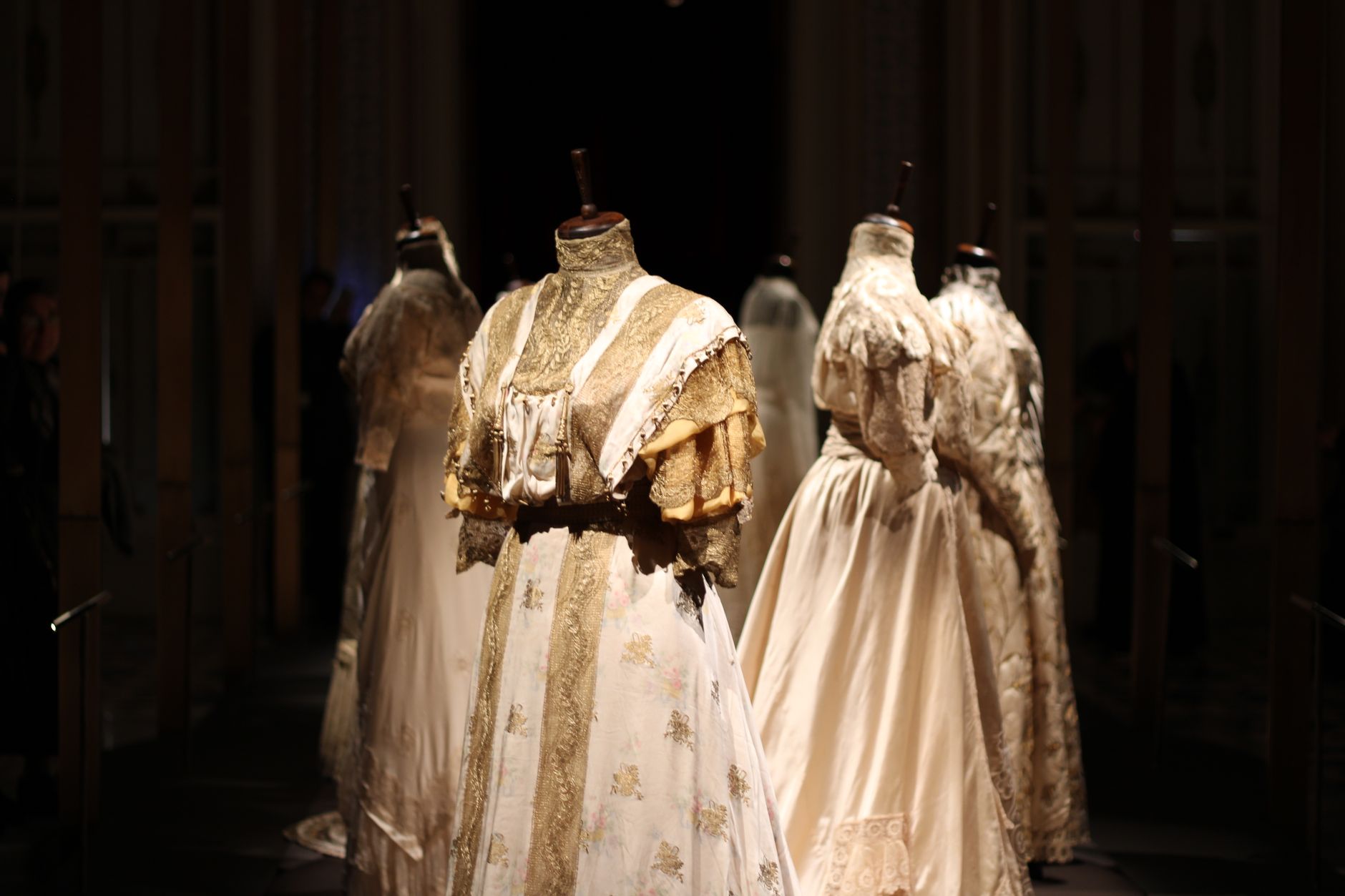
The Obama Presidential Center in Chicago has opened to the public, and among its most closely examined exhibits is a curated display of former First Lady Michelle Obama’s most recognizable outfits — a collection that spans designer gowns to a $19 dress purchased from Target. Business Insider’s firsthand center tour catalogued 12 of the standout looks on display, offering a ground-level look at how the center presents the Obama era’s cultural and political legacy. The breadth of the wardrobe selection — from high-fashion statements to deliberately accessible choices — reflects a deliberate curatorial strategy that positions Michelle Obama’s public image as both aspirational and relatable. For a publication like GDD, whose coverage typically runs toward Pacific security operations and defense procurement, the center’s approach to soft-power narrative-building carries its own analytical weight.
What the Wardrobe Display Says About the Center’s Curatorial Intent
The inclusion of a $19 Target dress alongside gowns from marquee American designers is not incidental. According to Business Insider’s report, the exhibit presents 12 looks selected to trace the arc of Michelle Obama’s public appearances across the White House years. The juxtaposition of price points is clearly intentional: it signals that the center’s curators want visitors to read her wardrobe as a form of political communication, not merely personal style. That framing — clothing as policy-adjacent messaging — is consistent with how presidential libraries and centers have long used material culture to reinforce a particular historical interpretation.
The center itself, as a separate Business Insider report noted, is the expensive presidential library in United States history, a fact that adds context to the scale and ambition of every curatorial decision made within it. When an institution of that financial magnitude devotes significant floor space to a former first lady’s clothing, it is making an argument about whose contributions to a presidency are considered historically legible and worth preserving.
Fashion as Soft-Power Artifact in Presidential Memory-Making
Presidential libraries have long functioned as carefully managed instruments of legacy, and the Obama Presidential Center is operating in that tradition while pushing it further in scope and cost. The fashion exhibit fits squarely within a broader pattern in which first ladies’ public personas are increasingly treated as discrete historical subjects rather than extensions of a president’s story. Michelle Obama’s wardrobe choices generated substantial media coverage during her White House tenure, and the center is now institutionalizing that coverage as part of the official record.
The Business Insider tour identified specific pieces — including the Target dress, notable for its price point relative to the surrounding exhibit — as among the 12 best looks on display. The report does not specify which designers are represented across all 12 pieces, nor does it detail how the selection process was conducted or who made final curatorial decisions. What is clear from the firsthand account is that the exhibit is designed to be accessible to a general audience, with contextual information accompanying each garment to explain the occasion on which it was worn and the public significance attached to it at the time.
For observers tracking how American institutions construct and project national identity — a concern that intersects directly with soft power and public diplomacy — the Obama Presidential Center’s approach to its fashion holdings offers a case study in how cultural artifacts are elevated to the status of historical evidence. The exhibit does not require a defense-beat lens to be significant; it is, on its own terms, a serious act of institutional memory-making with implications for how the Obama presidency will be taught and remembered.