US Navy Orders Second Carrier Strike Group to the Middle East Within Weeks
The US Navy is deploying another supercarrier to the Middle East, sustaining a dual-carrier presence in the volatile region.
The United States Navy is preparing to deploy another supercarrier and its associated strike group to the Middle East, according to Forbes reporting published August 27. The move would sustain a significant American naval presence in the region at a time when tensions across multiple theaters continue to demand forward-deployed deterrence options. The deployment follows the Navy’s established pattern of maintaining carrier coverage in the area, a posture that has drawn on fleet resources and personnel at a sustained pace for the better part of two years.
The latest carrier rotation connects directly to previous positioning in the region. As GDD has reported, the Truman carrier deployment raised broader questions about fleet availability and the strain imposed by back-to-back commitments in the Middle East — questions that remain relevant as another strike group prepares to head to the same theater.
Strike Group Posture and Regional Calculus
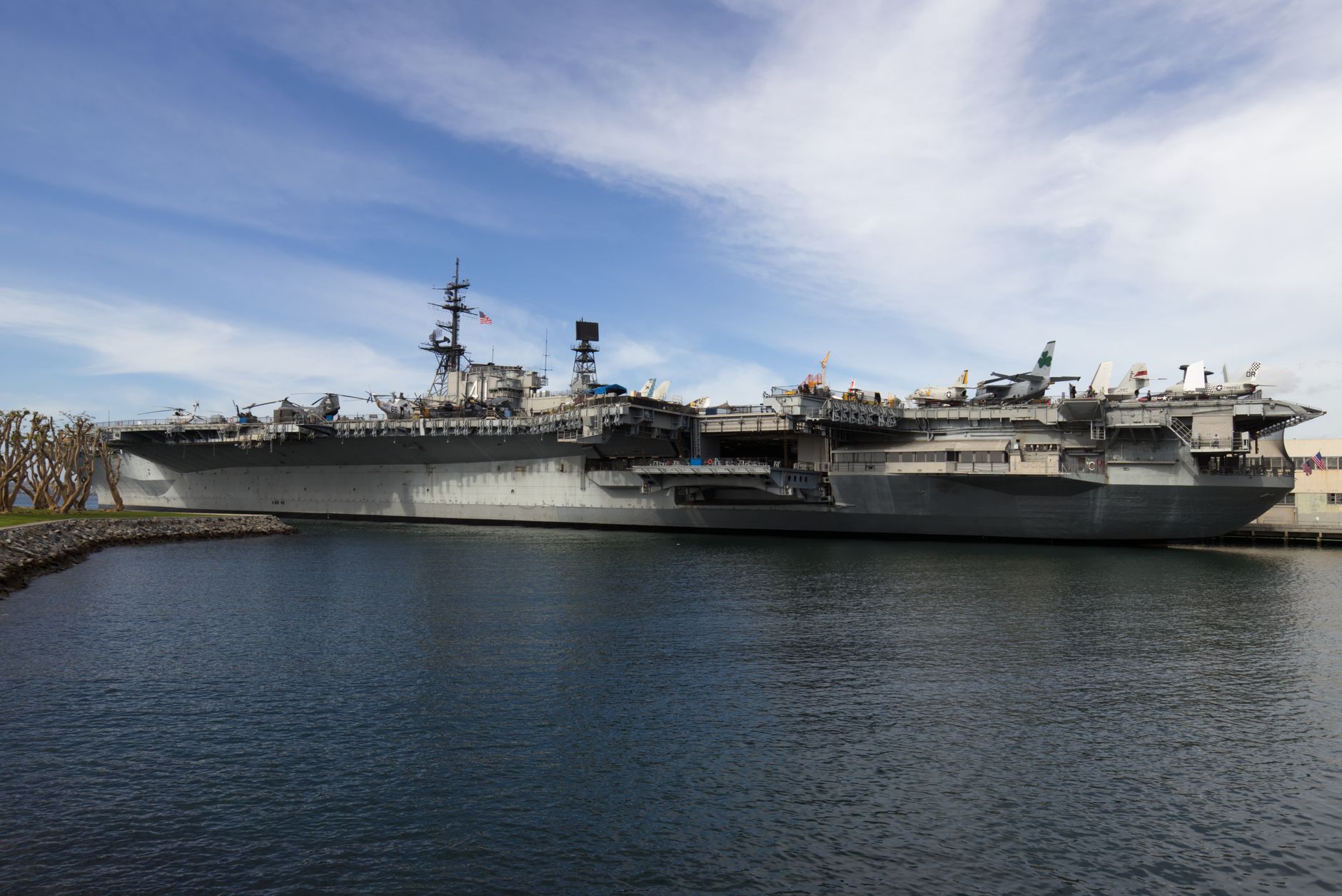
The deployment of a supercarrier to the Middle East is not a routine rotation in the traditional sense. Carrier strike groups represent the Navy’s most visible and flexible instruments of power projection, combining fixed-wing airpower, surface combatants, and submarine support into a single mobile task force capable of conducting strikes, enforcing maritime security, and signaling resolve to both allies and adversaries. Sustaining even one such group on station requires a continuous pipeline of vessels cycling through workups, deployment, and maintenance.
Maintaining two carriers within reach of the same theater simultaneously imposes a considerable operational and logistical burden on the fleet. Forbes noted the deployment is part of ongoing efforts to sustain deterrence in the Middle East, where Iranian-backed proxy activity and regional instability have kept American military planners in a near-constant posture of contingency readiness. Officials have not publicly confirmed the specific carrier designated for the upcoming deployment or the precise timing of its arrival on station.
Fleet Strain and the Cost of Sustained Forward Presence
The operational tempo required to keep carriers in the Middle East has implications well beyond any single deployment order. Each strike group rotation pulls a carrier, its air wing, its cruiser and destroyer escorts, and a logistics and submarine element away from other potential commitments in the Pacific or Atlantic. With the Navy managing a fleet that defense analysts have long characterized as undersized relative to its global taskings, every extended Middle East commitment narrows the margin available for contingencies elsewhere.
The human dimension compounds the hardware calculus. Extended deployments have measurable effects on retention, with sailors and their families increasingly factoring operational tempo into decisions about whether to reenlist. A force stretched across simultaneous theater requirements in the Middle East, the Western Pacific, and elsewhere confronts a retention problem that is structural, not incidental. The Navy has not publicly outlined how it intends to manage those competing pressures as the next carrier prepares to depart, but the question will follow the strike group from the pier to the operating area.