Israeli Cabinet Divided Over Iran Strategy as Lebanon Tensions Escalate
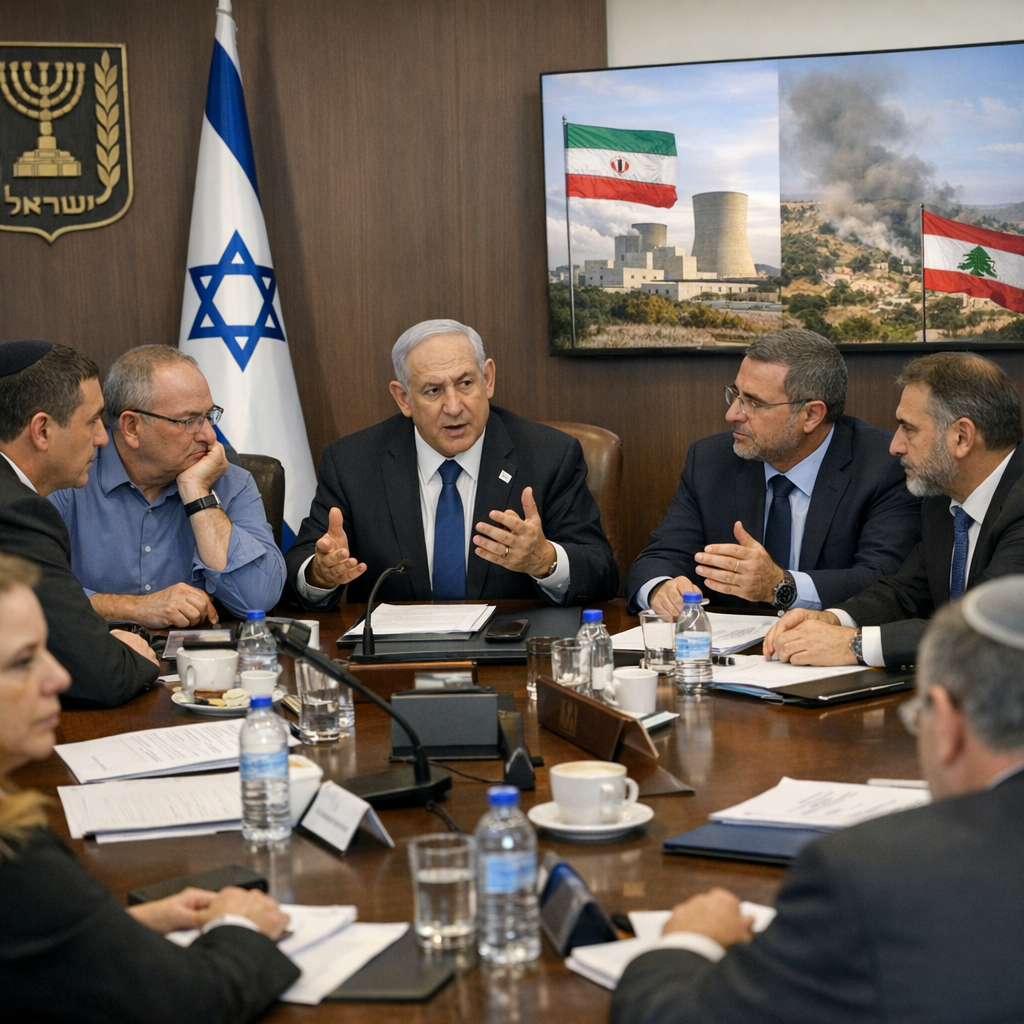
Tensions within Israel’s government surfaced publicly this week as senior ministers clashed over how to respond to mounting regional threats, particularly from Iran and along the Lebanese border, according to reporting by i24NEWS in its article titled “Israeli ministers clash as cabinet debates Iran response and Lebanon.”
The report describes a fraught cabinet meeting in which divisions emerged over both strategy and timing. At the center of the dispute was how aggressively Israel should act against Iran’s nuclear ambitions and its broader regional footprint, including backing for militant groups such as Hezbollah in Lebanon.
Some ministers reportedly pressed for more decisive and immediate action, warning that delaying could allow adversaries to strengthen their capabilities. Others urged caution, emphasizing the risks of escalation across multiple fronts, especially as tensions along the northern border remain volatile.
The disagreements come at a sensitive moment for Israel’s security establishment. Exchanges of fire with Hezbollah have persisted since the outbreak of broader regional hostilities, raising concerns about the possibility of a wider conflict. Against that backdrop, policymakers are weighing the potential consequences of any action that could trigger a full-scale confrontation with Lebanon-based forces or provoke direct retaliation from Iran.
According to i24NEWS, the debate also reflected deeper political dynamics within the coalition, with ministers not only differing on policy but also seeking to position themselves publicly on issues of national security. Such internal friction has, at times, complicated efforts to present a unified front during crises.
Military and intelligence officials are understood to have presented updated assessments during the meeting, outlining both immediate threats and longer-term scenarios. While details of those briefings remain largely confidential, they are believed to have underscored the interconnected nature of the challenges Israel faces—from Iranian influence across the region to the persistent threat posed by Hezbollah’s arsenal.
Despite the intensity of the exchanges, the cabinet did not appear to reach a definitive resolution, highlighting the complexity of crafting a coherent strategy in a rapidly evolving security environment. The lack of consensus may also signal further debates in the coming days, particularly if conditions on the ground shift or new intelligence emerges.
As i24NEWS reports, the episode illustrates the broader dilemma confronting Israeli leadership: balancing the imperative to deter adversaries and prevent strategic threats from materializing, while avoiding actions that could ignite a wider regional war.