Israel Presses Washington for More Apaches and CH-53Ks While Its Defense Firms Beg for Faster Payments
Israel is requesting additional AH-64 Apaches, CH-53K King Stallions, and missiles from the U.S. while domestic defense firms face cash-flow strain.
Israel has submitted requests to the United States for additional AH-64 Apache attack helicopters, CH-53K King Stallion heavy-lift helicopters, and a range of missiles and munitions, even as the country’s domestic defense companies warn that delayed government payments are creating serious liquidity problems. The dual pressure — securing foreign platforms while keeping the industrial base solvent — reflects the scale of the sustained operational demands placed on Israeli defense since October 2023, Calcalist Tech reported.
The procurement requests underscore a broader challenge facing high-tempo military operations: even a well-funded and technologically advanced force consumes equipment and munitions faster than standard acquisition timelines can replenish them. A parallel dynamic has emerged elsewhere — Taiwan, for instance, is deepening rotary-wing proficiency, as covered in GDD’s earlier look at Black Hawk drills — but Israel’s situation is distinct in that it is simultaneously drawing down existing inventories and seeking to accelerate new deliveries.
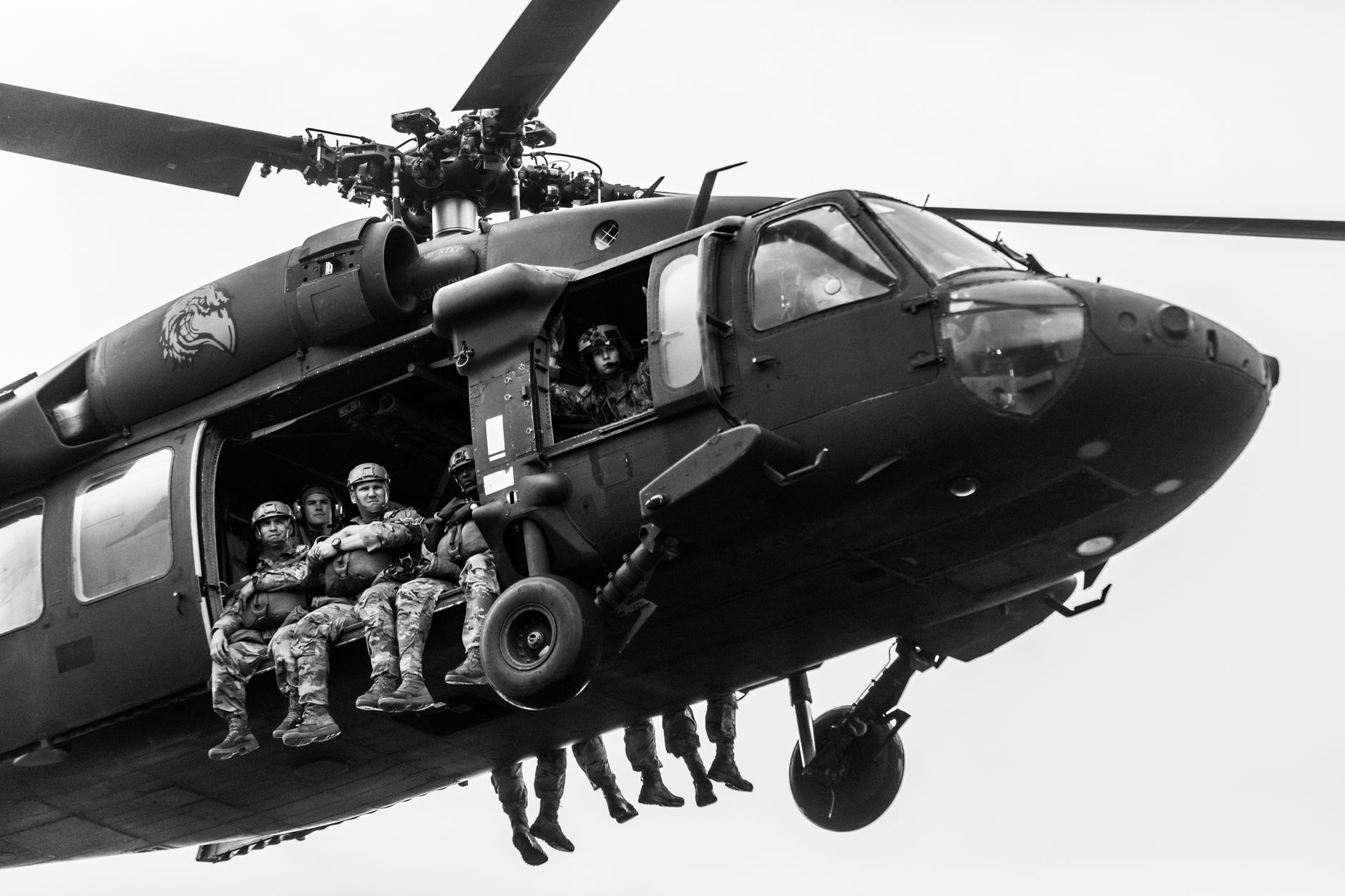
Platforms and Munitions at the Top of the List
Among the specific systems Israel is seeking are additional AH-64 Apache helicopters, which serve as the Israeli Air Force’s primary armed rotary-wing platform, and CH-53K King Stallions, the Sikorsky-built heavy-lift aircraft that the U.S. Marine Corps also operates. The CH-53K represents a significant capability upgrade over earlier CH-53 variants, with a substantially higher payload and a modern glass cockpit, though its unit cost and the pace of U.S. production would factor into how quickly Israel could receive additional airframes. According to the Calcalist Tech report, missiles and other munitions round out the list, though specific system designations and quantities were not detailed in the reporting.
The appetite for additional Apaches is particularly notable. Attack helicopter inventories are not easily or quickly expanded — Boeing produces the AH-64E at a rate tied to both U.S. Army orders and foreign military sales allocations, meaning any acceleration for Israel would require deliberate prioritization within the existing production schedule. Officials have not publicly confirmed whether formal Foreign Military Sale notifications have been submitted to Congress for these additional requests.
The Cash Crunch Facing Israeli Defense Contractors
Alongside the procurement push, Israeli defense companies have raised alarms over cash-flow problems stemming from delayed government payments. The Calcalist Tech report describes firms across the defense sector pressing the government to accelerate payment timelines, arguing that the pace of operational production — manufacturing missiles, munitions, and other systems at wartime rates — has outrun their ability to finance operations through normal revenue cycles.
This liquidity strain is not unique to Israel. Defense industrial bases in multiple countries have flagged similar problems as governments order surge production without always adjusting payment schedules to match the front-loaded costs manufacturers incur. For Israeli firms, the concern is acute because many are simultaneously trying to fulfill domestic military orders, honor export contracts, and invest in next-generation development programs. Without faster payments, executives warn, some companies may be forced to slow production lines at precisely the moment operational demand is highest.
The broader picture is one of an advanced military-industrial complex being tested by the duration and intensity of sustained conflict. Requests for additional U.S.-origin platforms and pressure to stabilize domestic contractor finances are two sides of the same ledger — the operational costs of a prolonged high-intensity campaign that no procurement plan fully anticipated.