Iron Dome Battery Repositioned to Southern Israel as Gaza Rocket Threats Escalate
Israel repositioned an Iron Dome battery near Gaza after militant threats, spotlighting the interceptor system’s rapid-response role.

Israel repositioned at least one Iron Dome air-defense battery to the country’s southern region in November 2017 following escalating rocket threats from Gaza-based militants, according to Defense News. The move reflected the Israeli military’s standing protocol of surging short-range rocket-defense assets when threat indicators rise along the Gaza perimeter. The system’s mobility — a core design requirement from its inception — allowed the redeployment to be executed with minimal lead time, underscoring why rapid repositioning remains one of Iron Dome’s most operationally valued characteristics. For context on how Israel manages layered information and defense operations simultaneously, see GDD’s earlier coverage of Israel’s defense spending.
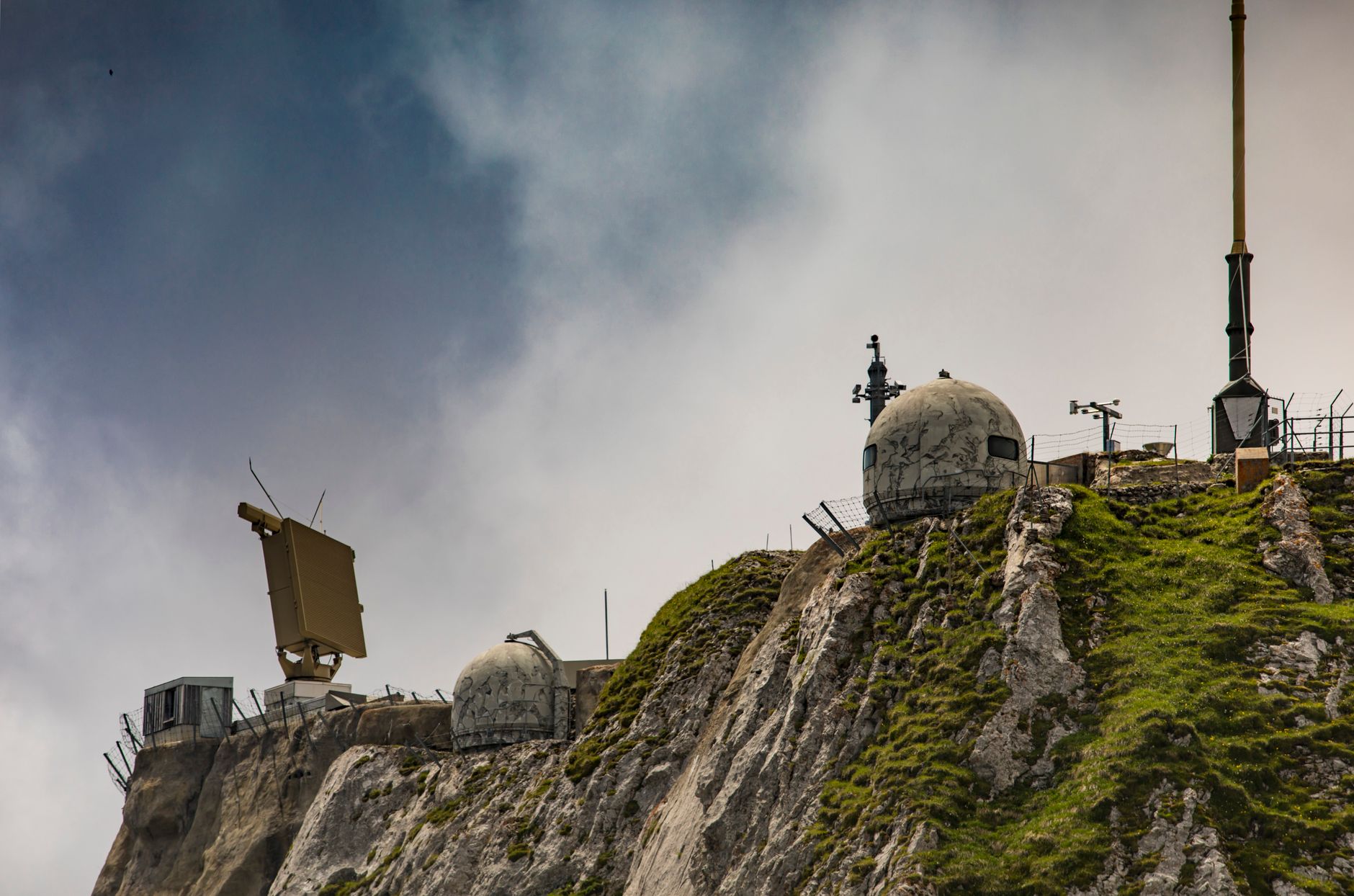
The deployment came after Palestinian militant factions in Gaza issued statements warning of potential rocket fire. Israeli officials did not publicly detail the specific intelligence assessments driving the repositioning, and the military provided limited operational specifics about how many batteries were moved or the precise locations selected.
System Capabilities and Operational Record
Developed by Rafael Advanced Defense Systems and Israel Aerospace Industries, Iron Dome is designed to intercept and destroy short-range rockets and artillery shells with a range of up to 70 kilometers. Each battery consists of a battle management and weapon control unit, a detection and tracking radar, and three to four launcher units, each armed with 20 Tamir interceptor missiles. The system is engineered to assess incoming projectile trajectories and engage only those calculated to strike populated or strategically significant areas, a targeting logic intended to conserve interceptors and reduce cost-per-engagement ratios.
By the time of the 2017 deployment, Iron Dome had accumulated a substantial operational record. Israeli defense officials had cited intercept success rates above 90 percent in prior conflict cycles, though independent analysts have at times disputed the precision of those figures. The platform had seen its most intensive use during prolonged exchanges with Gaza-based groups in 2012 and 2014, engagements that provided real-world data used to refine both the interceptor software and engagement sequencing. The Israel Air Force and ground-based air-defense branches operate in coordination during elevated threat periods, with Iron Dome providing the lower-tier layer of what Israeli planners describe as a multi-tier architecture.
Strategic Significance of the Southern Deployment
The November 2017 repositioning was consistent with a pattern of Israeli deterrence signaling — making defensive preparations visible enough to communicate resolve without initiating offensive action. Moving a battery into position near Gaza serves both a practical interception function and a political one, demonstrating to domestic audiences and to militant leadership that the military is postured to absorb an initial salvo and neutralize it before civilian casualties mount.
The episode also illustrated the sustained operational tempo that Iron Dome batteries maintain even outside declared conflict periods. Unlike strategic missile-defense systems that sit largely dormant, Iron Dome batteries in southern Israel operate under persistent readiness requirements given the frequency of smaller-scale rocket incidents that fall below the threshold of declared hostilities. That operational demand has informed Israeli and U.S. discussions about interceptor production rates and stockpile depth — questions that remain relevant as the system has been exported and as Washington has funded Iron Dome procurement through foreign military financing agreements. The durability of that U.S.-Israel defense-industrial relationship continues to shape acquisition decisions across the region, a dynamic examined in Forbes’ broader reporting on U.S. fighter sales and allied arms equities in the Middle East.