Washington Uses Iran Sanctions to Force a Reckoning With Beijing Over Oil Purchases
Trump’s maximum-pressure campaign on Iran is increasingly targeting China, which absorbs the bulk of sanctioned Iranian crude.
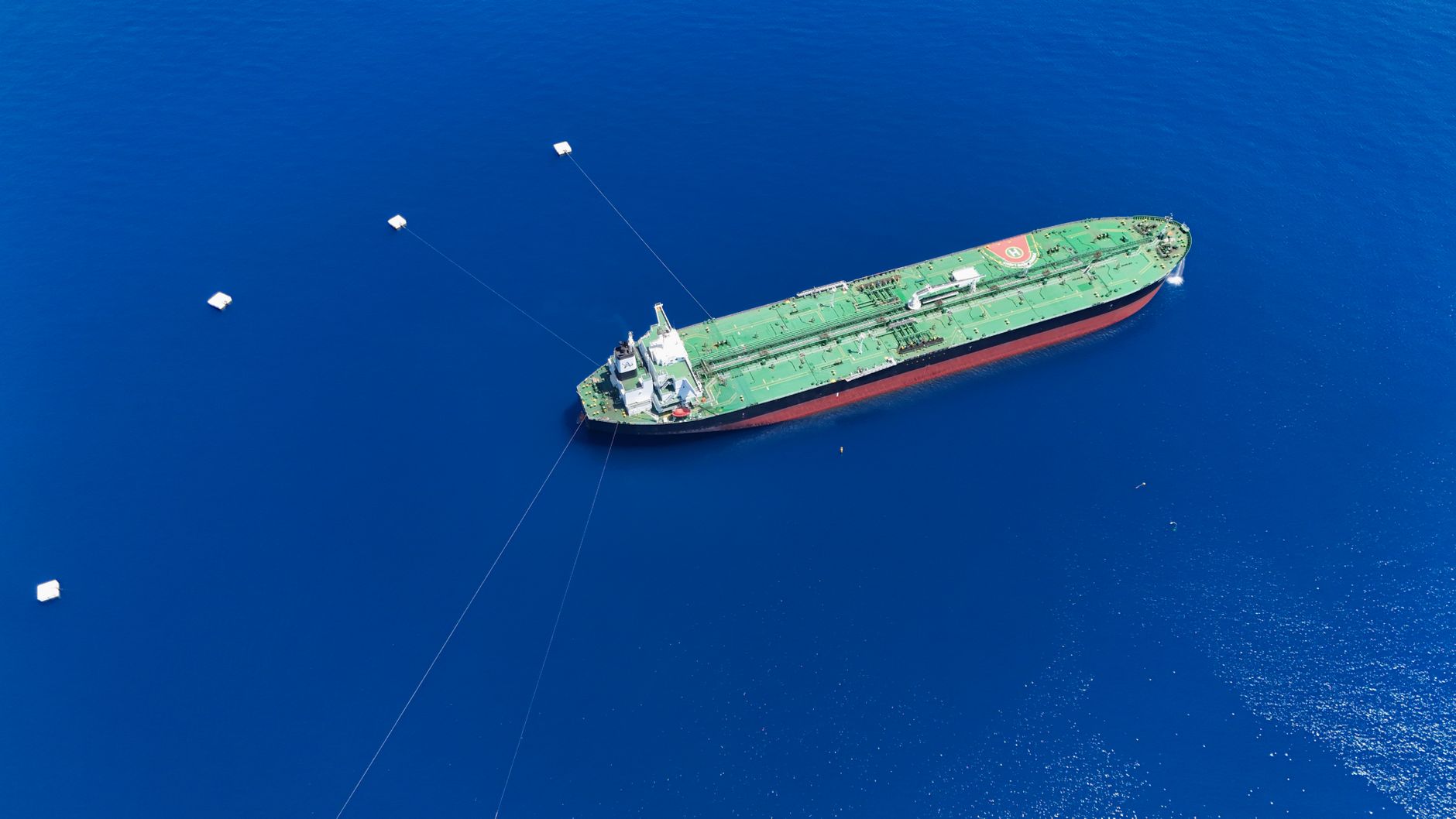
The Trump administration’s renewed maximum-pressure campaign against Iran has evolved into something broader: a direct economic confrontation with China over its continued purchase of sanctioned Iranian crude oil. According to Calcalist Tech, Washington is signaling that Beijing’s role as the primary buyer of Iranian oil will no longer be treated as a peripheral issue — it is now a central target of the sanctions architecture. The move places the Iran file squarely inside the larger U.S.-China strategic competition, linking energy economics to geopolitical leverage in ways that complicate both relationships simultaneously.
Iran has remained heavily dependent on oil revenues despite years of U.S. sanctions, and China has been the critical lifeline enabling that dependence to persist. By purchasing Iranian crude at discounted rates — often routed through intermediaries to obscure the origin — Beijing has effectively underwritten Tehran’s ability to fund military programs and regional proxies. The Trump administration’s calculation is that tightening secondary sanctions enforcement will force Chinese buyers and financial institutions to choose between access to Iranian oil and access to the U.S. financial system.
Iraq as the Fault Line Between Washington, Tehran, and Beijing
The pressure campaign does not stop at Iran’s borders. Iraq has become a secondary theater in this economic contest, with Washington seeking to pull Baghdad further into its orbit while Tehran and Beijing work to preserve their own influence there. As Forbes reported, Washington wants Iraq, but Tehran and Beijing are not prepared to relinquish the economic and political footholds they have built across Iraqi institutions, energy infrastructure, and militia networks. That triangular competition means any sanctions escalation against Iran ripples immediately into Iraqi energy and financial markets, where Chinese firms are also deeply embedded.
For the Trump administration, the strategic logic is straightforward: deny Iran the oil revenues it needs to sustain proxy forces and weapons development, while simultaneously raising the cost to China of defying U.S. sanctions enforcement. Officials have not confirmed specific penalty thresholds or timelines for secondary sanctions action against Chinese entities, but the signaling has been deliberate and public. The approach treats energy commerce as an instrument of coercive diplomacy rather than a separate economic domain.
China’s Exposure and the Minerals Dimension
Beijing’s vulnerability in this standoff is real but bounded. China’s dependence on Iranian crude is significant yet not irreplaceable; what makes the pressure campaign complicated is that the United States carries its own structural dependencies on Chinese supply chains — particularly in critical minerals. As Steve Forbes argued in Forbes, the U.S. mining crisis leaves Washington exposed to retaliatory leverage from Beijing across rare earth elements and battery materials essential to both the defense industrial base and the broader economy. That asymmetry limits how hard the administration can push before triggering countermeasures that carry domestic costs.
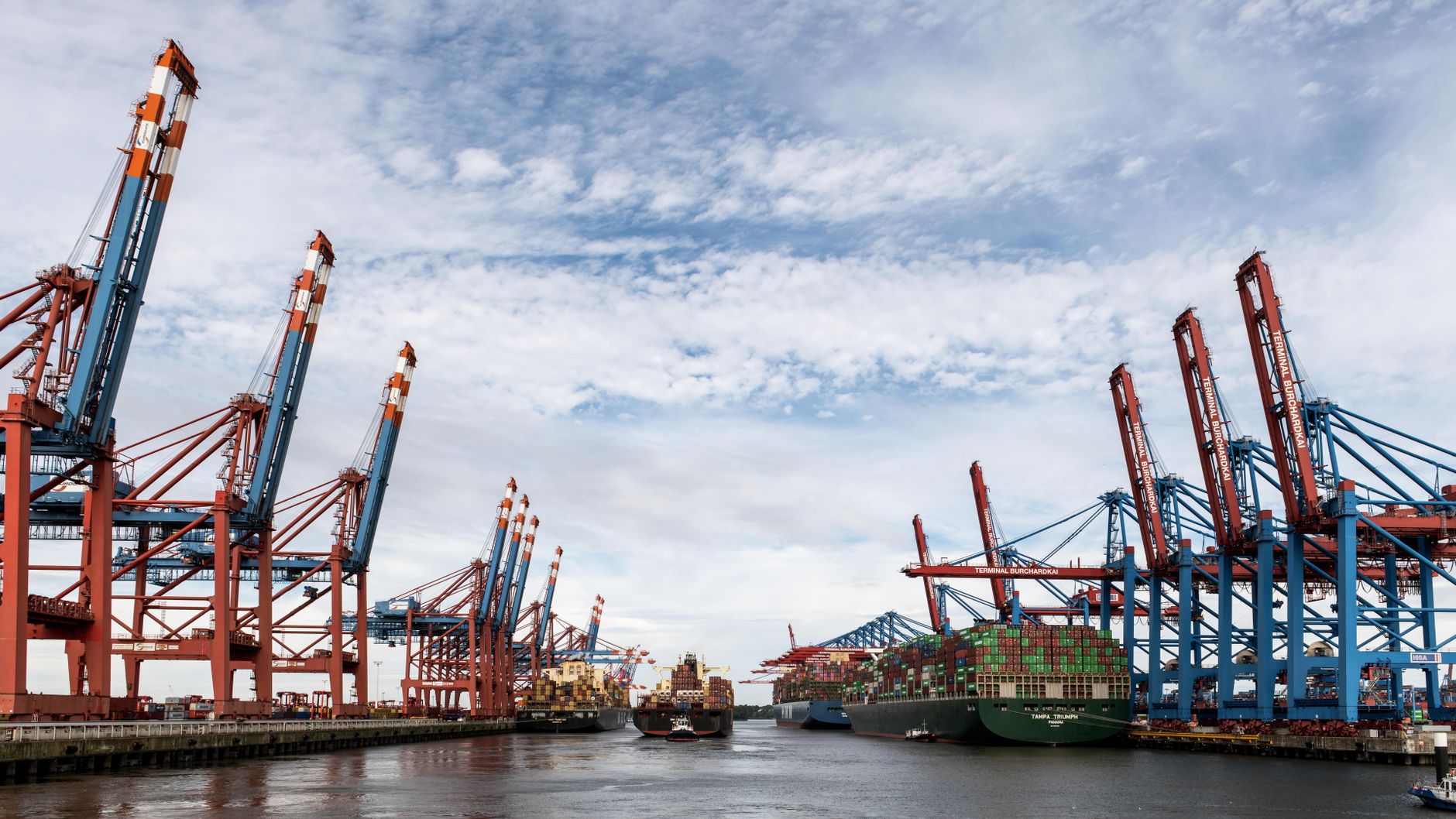
The broader economic context adds further texture. The U.S. trade deficit has grown for a fourth consecutive month, according to separate Forbes reporting, driven in part by surging AI-related investment imports — a backdrop that gives Beijing additional talking points about American economic fragility even as Washington applies financial pressure. Whether the sanctions escalation against Iranian oil buyers produces meaningful behavioral change in Chinese purchasing decisions remains to be seen. What is already clear is that the Trump administration has chosen to make that test explicit, folding the Iran pressure campaign into the larger architecture of great-power economic competition rather than treating it as a discrete regional policy problem. The outcome will carry implications well beyond the Persian Gulf.