Turkish Aerospace Bets on Carrier-Capable Hurjet to Break Into NATO Export Markets
Turkish Aerospace Industries is developing a naval variant of its Hurjet jet trainer as it pursues expanded defense exports to NATO allies.
Turkish Aerospace Industries is developing a carrier-capable variant of its Hurjet advanced jet trainer and light attack aircraft, positioning the platform for a push into NATO export markets that could reshape Turkey’s role as a defense exporter within the alliance. The development, Breaking Defense reported, marks a significant expansion of the Hurjet program beyond its original scope as a land-based trainer for the Turkish Air Force. As NATO allies continue reshaping acquisition priorities in the wake of the Ukraine war, Turkish platforms are increasingly competing alongside Western European and American alternatives — a dynamic that has drawn fresh attention to NATO training requirements across the alliance.
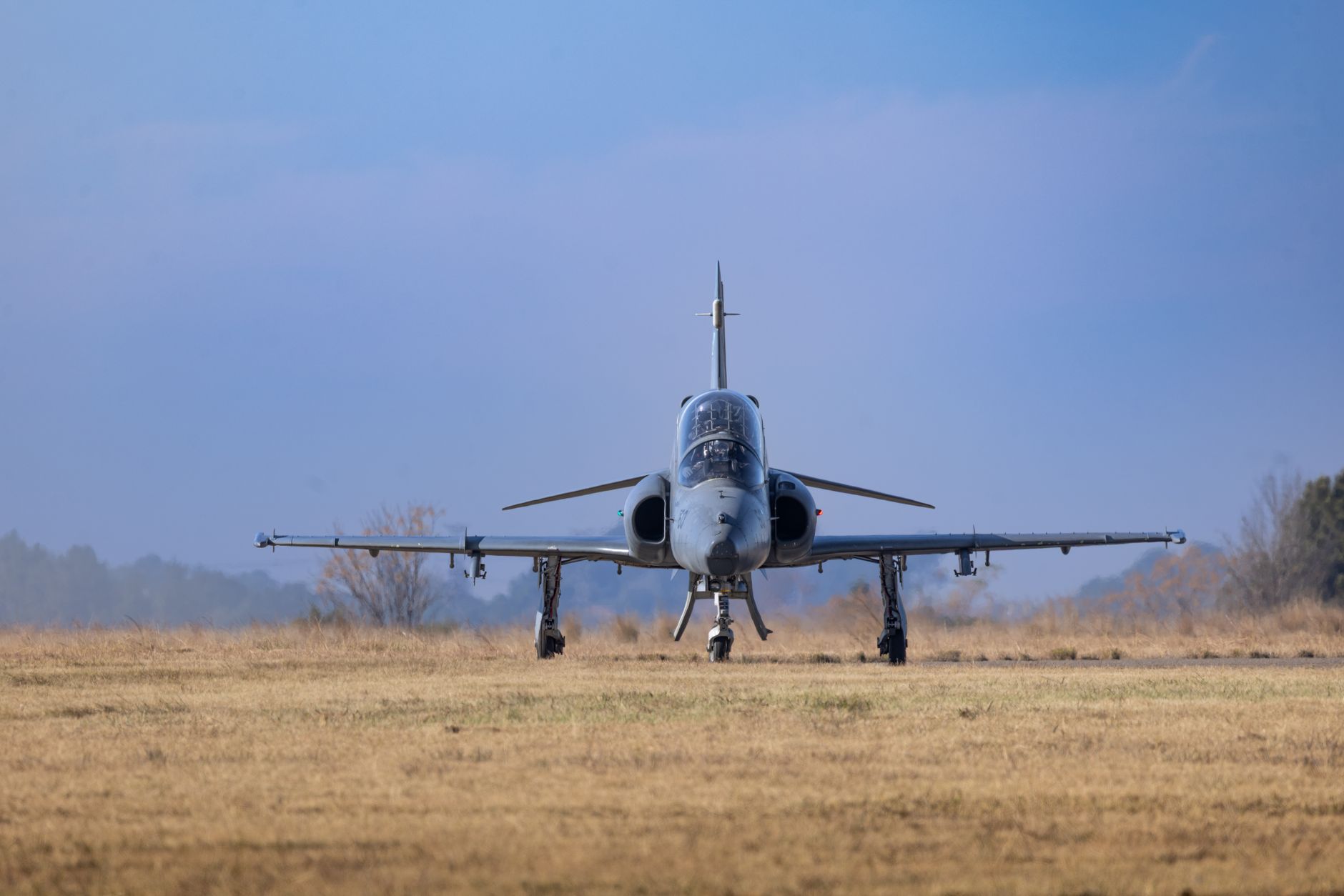
Turkish Aerospace has confirmed it is working on a navalised configuration of the Hurjet designed to operate from aircraft carriers, according to the Breaking Defense report. The naval version would feature structural reinforcements and systems modifications necessary for carrier operations, including arrestor hook integration and airframe hardening to handle the stresses of catapult launches and arrested landings. Officials have not confirmed a specific timeline for the naval variant’s first flight or when a formal development contract might be awarded.
Hurjet Program Status and Naval Ambitions
The baseline Hurjet completed its maiden flight in 2023 and is intended to replace the Turkish Air Force’s aging fleet of training aircraft. The program is designed to give Turkey an indigenously developed advanced trainer with light attack capability, reducing dependence on foreign platforms for pilot pipeline development. The naval variant represents a logical but technically demanding extension, as carrier-suitability requirements impose substantially higher engineering standards than land-based configurations.
Turkish Aerospace officials signaled that the naval Hurjet is being developed with an eye toward allied navies operating aircraft carriers, though the company has not publicly named specific customer nations it is targeting. The ambition is consistent with a broader Turkish defense-industrial strategy of moving up the value chain — from component supplier to prime contractor capable of competing for complete platform sales abroad. Whether NATO members with carrier aviation programs would consider a Turkish trainer in preference to established Western offerings remains an open question, and officials have not confirmed any letters of intent or formal evaluation agreements with foreign governments.
The NATO Export Calculus
Turkey’s effort to expand Hurjet sales inside NATO comes as alliance members face mounting pressure to recapitalize training fleets and diversify suppliers. The demand signal is real: several European air forces operate aging jet trainers and have opened competitive evaluations for replacements. Turkish Aerospace is positioning Hurjet as a cost-competitive alternative to platforms such as the Leonardo M-346 and the Korean Aerospace Industries T-50, both of which have established NATO export records. The naval configuration, if it matures, could target a narrower but potentially lucrative segment of that market.

The broader industrial context matters here. Turkey has significantly expanded its defense export portfolio over the past decade, with unmanned aerial systems proving the most visible commercial success. Extending that momentum to crewed combat aviation — and specifically to carrier-capable platforms — would represent a qualitative step up in the complexity and prestige of systems Turkey can bring to market. The NATO drone procurement shift away from Chinese suppliers has opened space for allied-nation alternatives across multiple domains, and Turkish industry has been among the beneficiaries of that realignment. How far that appetite extends to crewed trainers, and whether the naval Hurjet variant can reach a credible operational maturity in time to compete in active procurement cycles, will determine whether this announcement translates into contracts.