Germany Moves to Close a Critical Air Defense Gap on Its Troubled F125 Frigates
Germany plans to arm its F125 Baden-Württemberg-class frigates with IRIS-T SLM surface-to-air missiles, addressing a long-standing air defense shortfall.

Germany has decided to equip its F125 Baden-Württemberg-class frigates with IRIS-T SLM surface-to-air missiles, moving to correct what critics and defense analysts have long identified as a serious capability gap in the navy’s most modern surface combatants. The War Zone first reported the development, detailing how the planned integration would give the ships a meaningful area air defense capability they have lacked since entering service. As NATO allies reckon with a more contested maritime environment in European waters, the upgrade carries implications beyond the Deutsche Marine alone — with demand for capable naval interceptors rising sharply across the alliance, as reflected in recent naval interceptor procurement moves by the United States.
A Class Built for Stabilization, Not High-End Combat
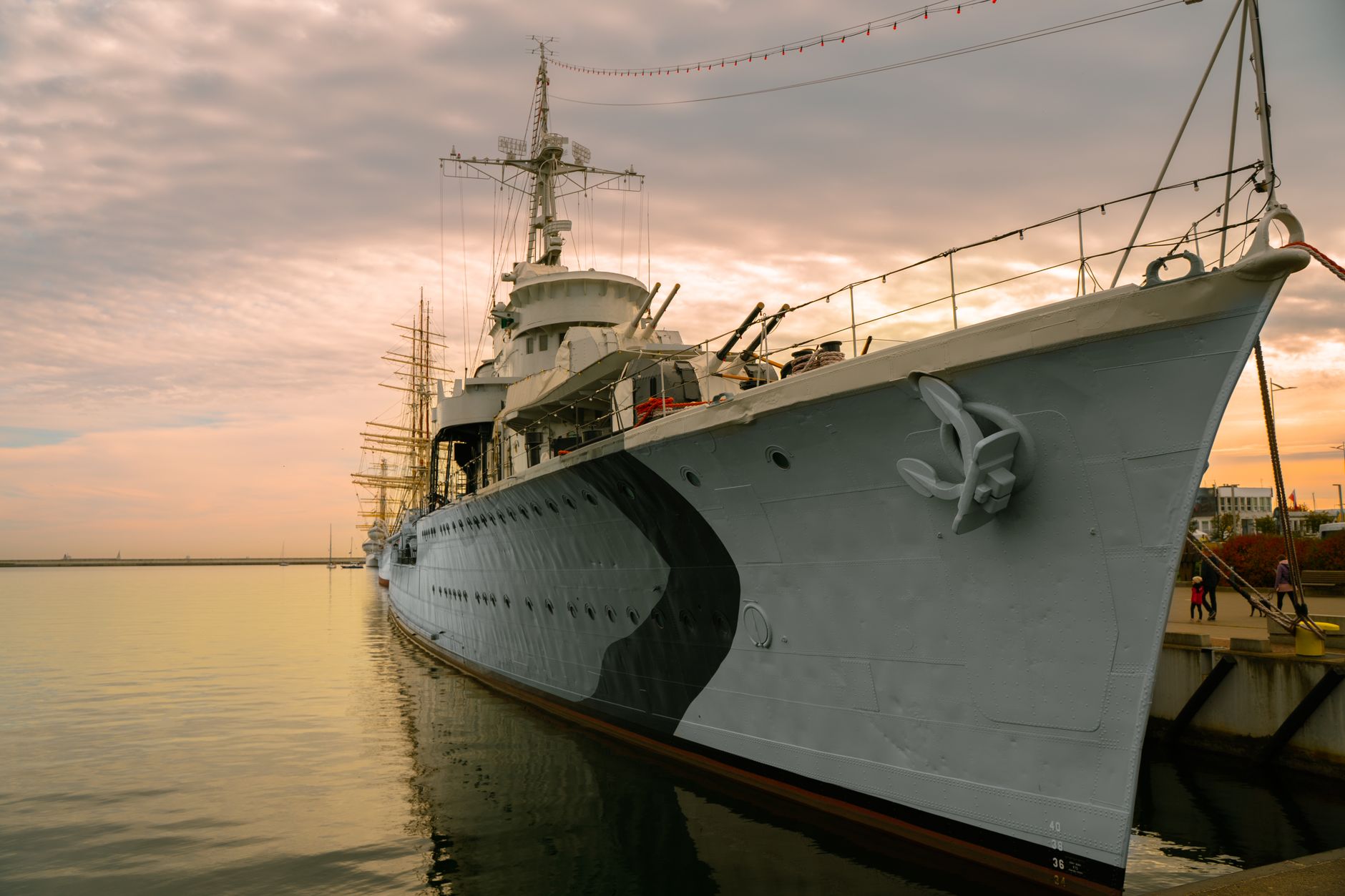
The F125 frigates were designed in an earlier strategic era, optimized for sustained low-intensity stabilization operations — the kind of extended deployment cycles that characterized post-Cold War naval thinking rather than peer-competitor confrontation. The class was built to remain at sea for extended periods with reduced crew sizes enabled by high automation, but that design philosophy came at the expense of robust self-defense systems. As delivered, the ships lacked the kind of medium- to long-range surface-to-air missile capability that peer navies consider standard equipment on vessels of comparable tonnage and cost.
The IRIS-T SLM — the naval adaptation of the ground-based IRIS-T SL medium-range surface-to-air missile system already fielded by Germany and exported to partners including Ukraine — offers a meaningful step up in the ships’ ability to engage aerial threats at operationally significant ranges. The system has gained considerable attention for its performance in ground-based configurations, and its integration onto the F125 hull would represent a materially different threat calculus for any adversary planning air attacks against the frigates. Officials have not publicly confirmed a contract award timeline or the precise number of ships to be fitted under the plan as reported.
Industrial and Strategic Stakes for the German Navy
The decision arrives at a moment when Germany’s defense establishment is under sustained pressure — domestically and within NATO — to accelerate modernization following years of under-investment. The F125 program has itself been a source of friction: the class experienced significant delivery delays and technical difficulties before ships reached operational status, and the air defense shortfall has been a standing criticism since the design phase. Adding IRIS-T SLM does not resolve the broader structural questions about the frigates’ design, but it addresses the most operationally acute vulnerability in a threat environment that has shifted dramatically since the ships were conceived.
The integration also carries implications for Diehl Defence, the German firm that produces the IRIS-T family, as a naval application of the system would extend the program’s footprint and potentially open export conversations with other European navies operating platforms with similar air defense gaps. Germany’s naval shipbuilding sector has been working to position itself for a sustained period of increased European defense spending, and a successful F125 integration could serve as a demonstration case. How quickly the modification can be designed, tested, and fielded across the four-ship class will ultimately determine whether the upgrade arrives in time to matter for the operational demands already accumulating in the Baltic and North Atlantic.