With FCAS on Life Support, France Bets on a Heavily Upgraded Rafale to Carry Its Air Power Into the 2040s
France is accelerating the Rafale F5 standard after the Franco-German-Spanish FCAS next-generation fighter program effectively collapsed.
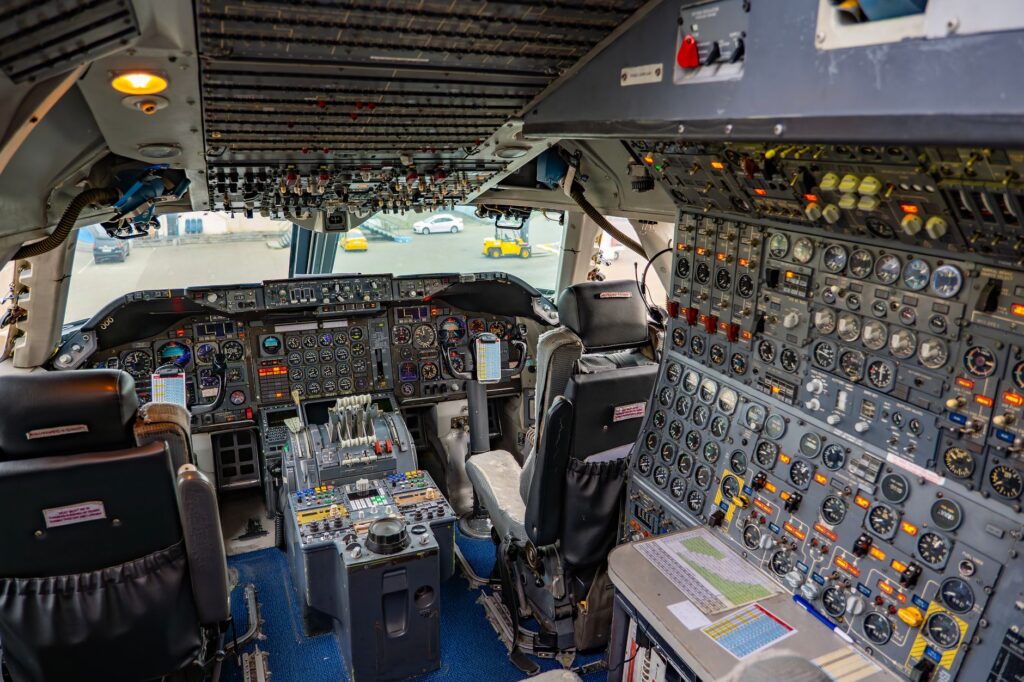
France is pushing ahead with a significantly upgraded version of its Rafale combat aircraft after the Future Combat Air System — the Franco-German-Spanish next-generation fighter program known as FCAS — effectively collapsed, according to a report by The War Zone. The acceleration represents a fundamental reorientation of French air-power planning, pivoting from a multinational sixth-generation program to a national evolution of a platform already in service.
The shift carries broad implications for European defense cooperation at a moment when the continent is already under pressure to consolidate industrial capacity and strategic ambition, themes that intersect with broader allied fleet modernization debates across the Indo-Pacific as well. France’s decision to deepen its investment in Rafale rather than wait for a successor underscores how fragile multinational defense development programs remain when industrial and political interests diverge.
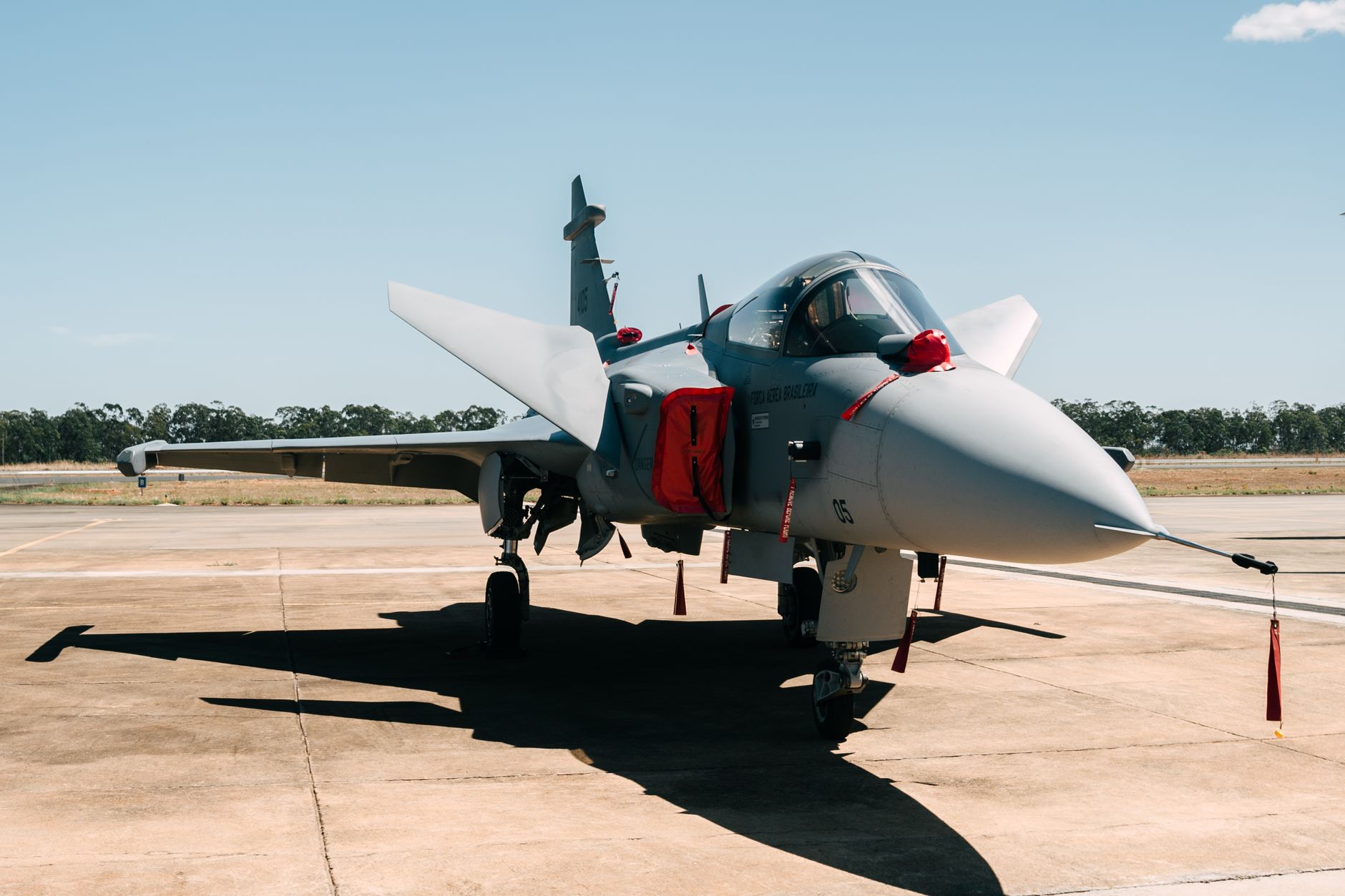
FCAS Stalls, Paris Pivots
The FCAS program — a joint effort between France, Germany, and Spain intended to field a next-generation manned fighter paired with remote-carrier drones — had been troubled for years by disputes between Dassault Aviation and Airbus over workshare, intellectual property, and industrial leadership. Those disputes proved irreconcilable at the pace required to meet French Air and Space Force timelines, and the program has effectively stalled as a viable near-term replacement for current fleets.
Rather than wait for a diplomatic resolution that may not materialize on any operationally useful schedule, France’s defense procurement agency, the Direction Générale de l’Armement (DGA), has moved to accelerate development of the Rafale F5 standard — a substantial capability jump from the current F4 configuration. The War Zone report makes clear this is not a minor incremental upgrade but a deliberate strategic hedge against the failure of the next-generation program to deliver on time.
What the F5 Standard Is Expected to Add
The DGA confirmed the acceleration through an official announcement on its verified social media account, signaling that the F5 development effort is being treated as a priority program.
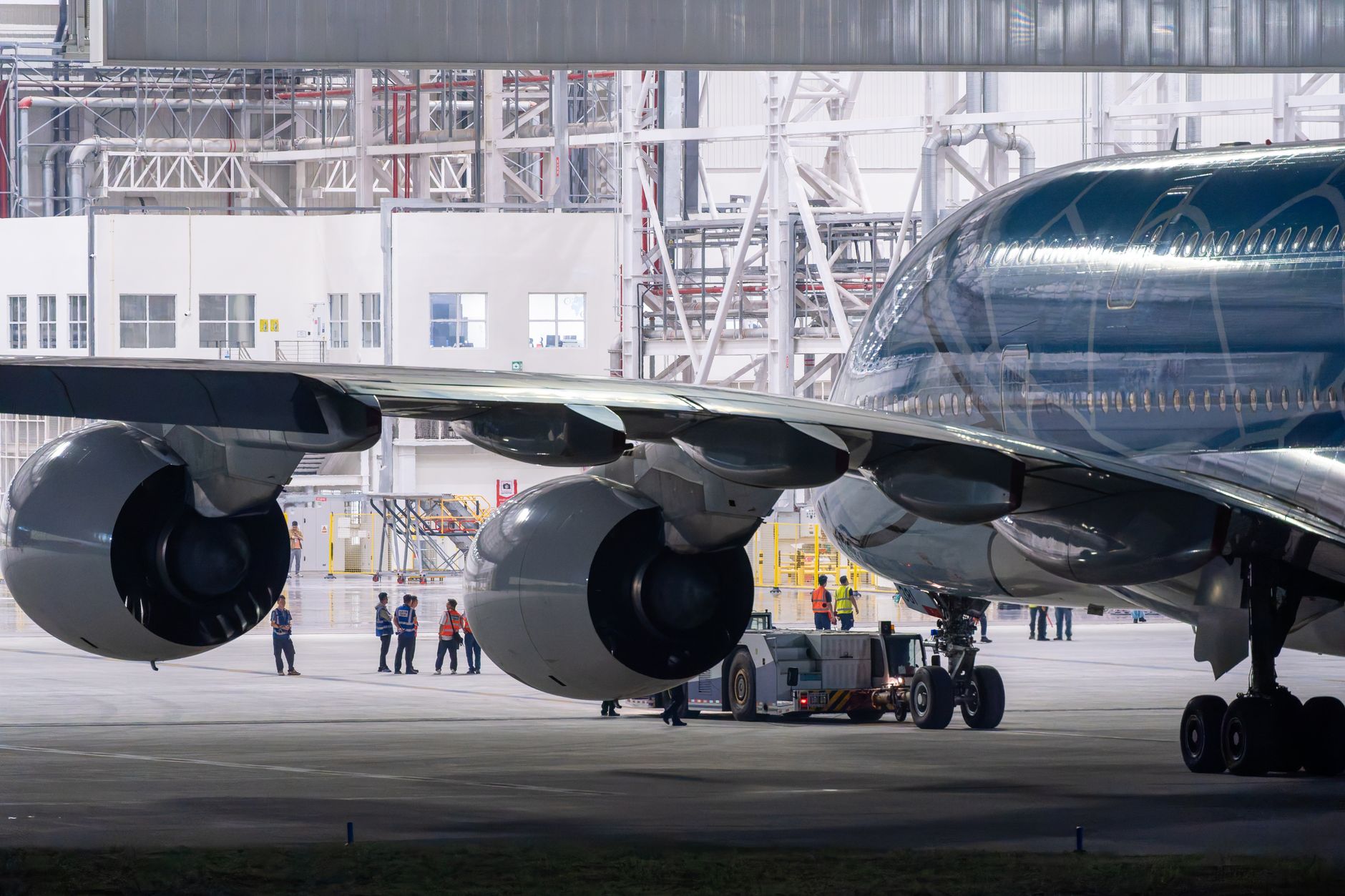
Dassault Aviation, which builds the Rafale and has been the French industrial anchor of the FCAS program, stands to benefit most directly from the F5 acceleration. The company retains full design authority over the Rafale, unlike the contested workshare arrangements that plagued FCAS negotiations with Airbus. That single-contractor dynamic gives France considerably more control over schedule and cost than the multinational program ever offered. How quickly the F5 standard can be fielded — and whether it can plausibly cover the capability gap that FCAS was meant to fill in the 2040s — remains the central question French air planners will now have to answer.
France is not alone in rethinking next-generation fighter timelines. AI autonomous systems are increasingly reshaping how air forces conceptualize the relationship between manned and unmanned platforms, and the Rafale F5’s anticipated drone-teaming capabilities place it within that broader technological trajectory — even if it arrives wearing a familiar airframe rather than an entirely new one.